Show summary Hide summary
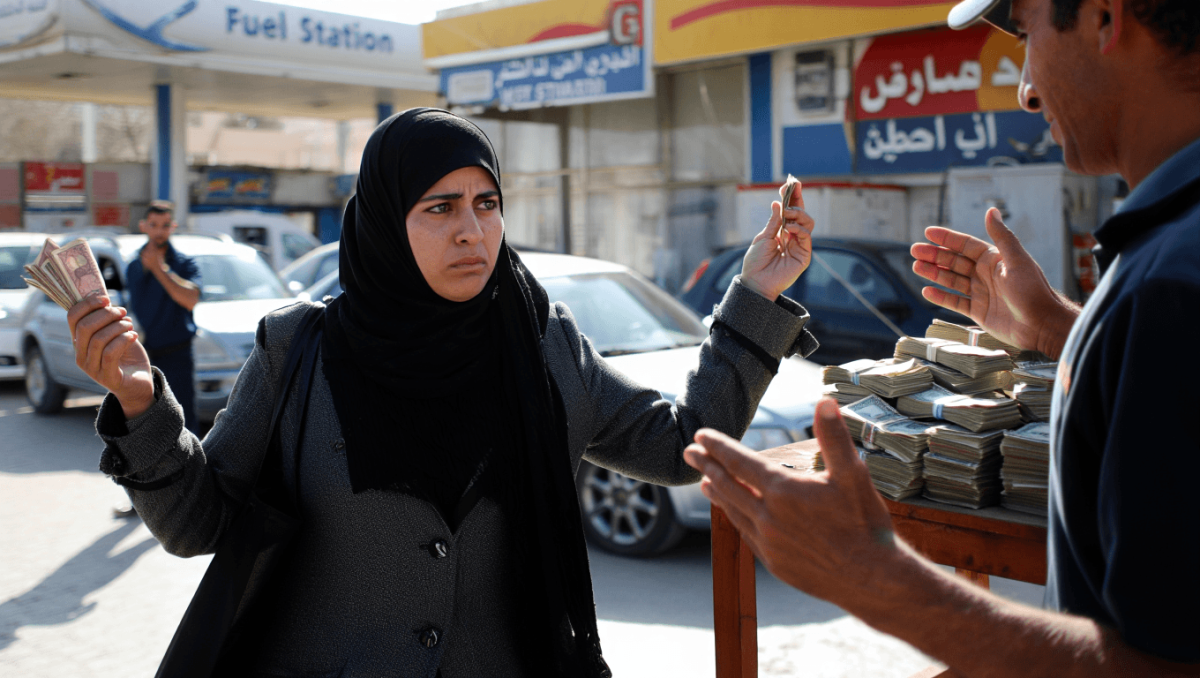
A growing pile of Israeli shekels parked inside West Bank banks is starting to stall everyday commerce, forcing gas stations, retailers and public services into awkward workarounds. The shortage of outlets willing to accept more physical currency — a result of limits set by Israeli authorities — is producing immediate shortages in electronic payments and raising the risk of wider economic disruption.
How cash becomes a problem
In most economies, commercial banks hand excess notes to their central bank and receive electronic balances that can be used to settle bills and fund loans. That normal plumbing is strained in the Israeli-occupied West Bank because Palestinians use the shekel by default but do not control how much physical currency Israel will take back from local banks.
Boxing champions ditch long runs for high-intensity training: new era in fight prep
Czech nationals among victims of Pinedale-area crash: two confirmed dead
The consequence: vaults are filling up. With the Bank of Israel declining additional cash deposits beyond an annual quota, Palestinian lenders cannot convert banknotes into usable electronic funds. That blocks routine transfers — paying for imports, covering utility bills, or moving supplier payments — even when businesses and government entities hold ample paper money.
Mohammad Manasra, deputy governor of the Palestinian Monetary Authority, said the restrictions have left banks unable to perform essential operations and described the measures as an economic pressure tactic. Economists close to the issue estimate the annual inflow of physical shekels into the West Bank is now far above the level Israel accepts back.
Where the extra shekels come from
Multiple channels feed the surplus of cash inside the territory. Israeli employers and contractors commonly pay Palestinian laborers in cash. Palestinians who live in Israel and shop across the Green Line also bring back cash purchases. Over time, these flows have created a wide and growing gap between notes entering the West Bank and notes Israel permits to be returned to its banking system.
- Official cap: Israel currently allows about 18 billion shekels to be transferred from West Bank banks to the Israeli banking system each year.
- Estimated inflow: Local economists put the annual cash entering the West Bank at roughly 30 billion shekels — well above the permitted level.
- Result: Excess physical currency sits in vaults, earning nothing and unavailable for digital settlement.
Real-world consequences for people and firms
For cash-heavy companies the effects are immediate. At the Ramallah offices of a major retail and service group, workers count and compress stacks of bills because banks have limited capacity to accept deposits. That forces firms to seek alternatives — short-term loans, buying foreign currencies, or paying high fees to store and insure cash themselves.
Fuel distributors are particularly exposed. When businesses cannot convert their takings into electronic transfers, they struggle to pay suppliers in Israel for fuel or electricity. Some stations have temporarily shut pumps; others staged short strikes to highlight the disruption.
Smaller merchants and households feel it too. With banks accepting less physical money, ordinary people scramble for safe storage options. Fears that soldiers might confiscate large cash holdings during raids have pushed more deposits into banks — yet the banks then cannot offload those notes.
Bank profitability and services under pressure
Keeping large quantities of physical currency reduces banks’ ability to lend, because cash once deposited is not converted into the digital reserves banks use to extend credit. A prior industry assessment suggested sizable drops in profitability because of the cash glut; analysts say the hit is likely worse today given rising storage costs and limited transactional capacity.
That squeeze has consequences beyond balance sheets. Public institutions that rely on bank transfers — municipalities, hospitals, and government payroll systems — may face delays or shortfalls when funds are tied up as paper money. In turn, payments for fuel, water and other essentials can be delayed, amplifying the risk to daily life.
Politics and policy
Israeli officials have justified limits on accepting West Bank cash in part by citing concerns over money laundering, tax evasion and terrorism financing. The Bank of Israel says it follows current government policy on cash acceptance and has noted that since the Gaza war fewer Palestinians have worked in Israel, which should reduce flows.
Palestinian authorities, however, see the cap as part of broader economic pressure that has mounted since the October 2023 attacks and the ensuing war in Gaza. Restrictions on labor movement and delayed transfers of tax revenues from Israel have already strained public finances; the cash bottleneck is now an additional constraint on everyday economic activity.
What to watch next
The immediate risk is practical: if the cash impasse persists, import-dependent sectors could face payment interruptions that ripple into shortages of fuel, medicine and food. Longer term, the discord over physical currency handling undermines banking efficiency and investor confidence in the West Bank.
Key developments to follow include whether Israeli authorities adjust the annual acceptance limit, whether the Palestinian Monetary Authority and Israeli regulators reach an operational agreement, and how businesses adapt their payment flows in the coming months.
Imad Isseid contributed reporting from Ramallah.