Show summary Hide summary
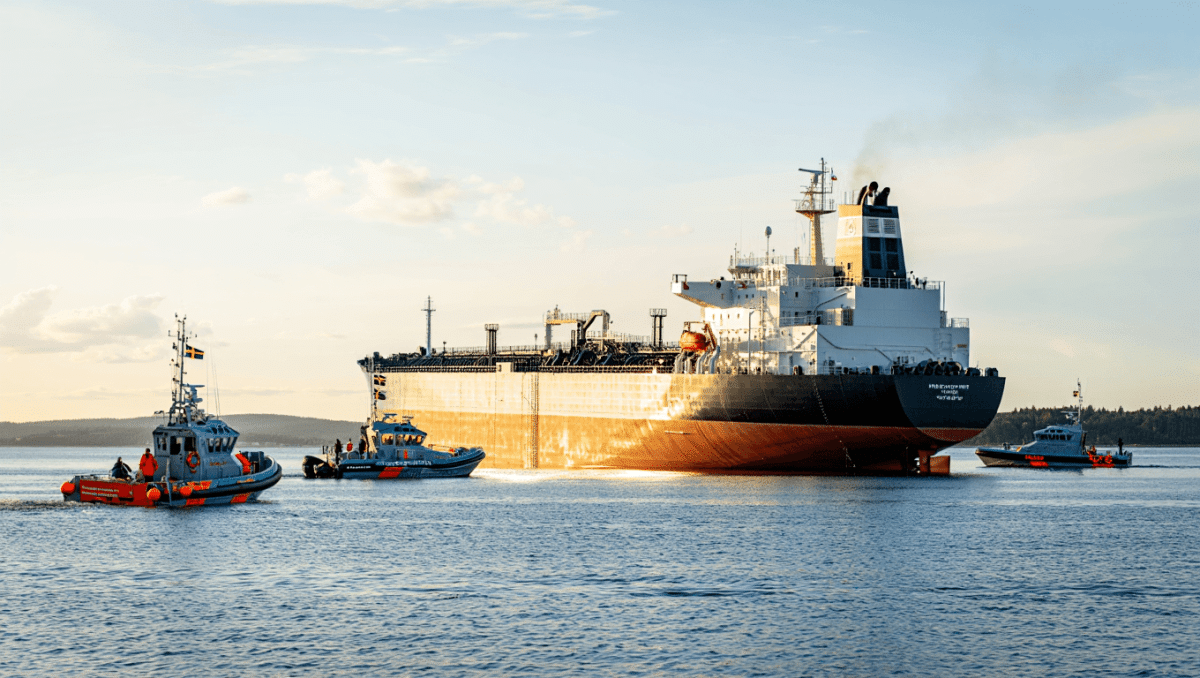
Swedish authorities have detained a tanker under international sanctions after linking it to a recent oil spill in the Baltic Sea. The ship, which had departed a Russian port, was stopped as investigators work to confirm whether it discharged fuel into coastal waters.
What happened
Officials intercepted the tanker shortly after it left port and ordered it to remain in Swedish waters while inspections continue. The move follows reports of oil sheening and tar deposits along stretches of coastline, prompting immediate response from environmental and maritime agencies.
Boxing champions ditch long runs for high-intensity training: new era in fight prep
Czech nationals among victims of Pinedale-area crash: two confirmed dead
Teams are collecting samples, photographing affected areas and tracking the vessel’s recent movements to establish a timeline. Authorities describe the probe as active and say it aims to determine both cause and responsibility for the contamination.
Why this matters now
The incident comes at a sensitive moment for regional shipping and maritime enforcement. If confirmed, the release would raise fresh concerns about compliance with embargoes and the wider environmental risks posed by commercial traffic in the Baltic.
For coastal communities the stakes are practical and urgent: cleanup costs, damage to fisheries and tourism, and the health of marine wildlife. For governments, the incident tests the ability to link a single incident to a vessel and to apply legal or financial penalties quickly.
- Investigation: forensic analysis of oil samples and review of the tanker’s voyage data.
- Enforcement: potential fines, detention of the ship, and legal action if violations are proven.
- Cleanup: shoreline removal, booms and skimmers where feasible, and wildlife rescue efforts.
- Monitoring: increased surveillance of nearby shipping lanes and ports.
Immediate consequences and longer-term implications
In the short term, the response focuses on containment and evidence gathering. Authorities will seek to match the pollutant’s chemical fingerprint to the tanker’s cargo and fuel, a process that can take days to complete.
Longer term, the case could prompt stricter inspections of vessels linked to sanctioned entities and tighter coordination between Baltic nations on maritime enforcement. Insurers, port operators and shipping firms will be watching closely for any regulatory changes that follow.
Environmental groups and local officials are likely to press for transparent results and swift reparations if the ship is found at fault. The economic toll for affected towns — from lost fishing income to cleanup contracts — may become a point of contention in any legal proceedings.
What to watch next
Authorities are expected to release forensic findings and a formal culpability assessment within days to weeks. Key indicators to follow:
- Results of laboratory testing comparing oil samples from shorelines with the tanker’s fuel.
- Decisions on detaining the vessel or permitting it to leave port.
- Announcements of fines, criminal charges or further sanctions enforcement.
- Reports on environmental damage and estimated cleanup costs.
As investigators piece together the timeline, the case will serve as an immediate test of how effectively coastal states can respond to pollution incidents tied to ships operating under restrictive measures. The outcome will affect not only local restoration efforts but also broader practices for monitoring and policing maritime activity in the Baltic Sea.