
Show summary Hide summary
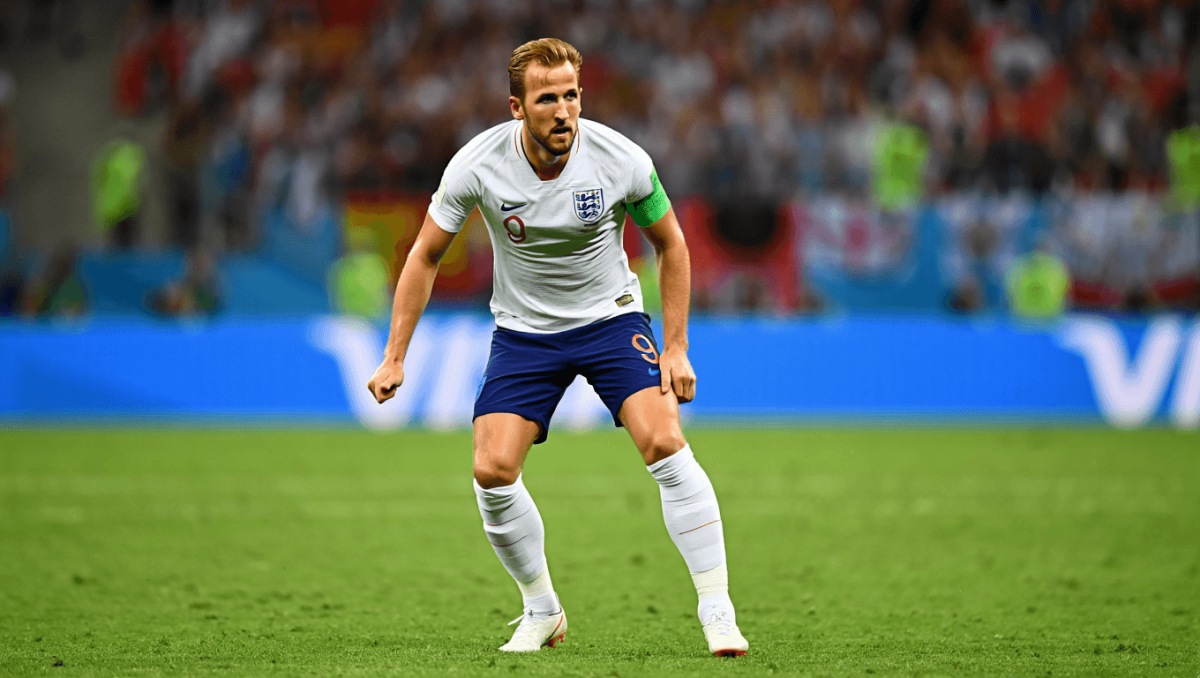
Harry Kane’s late brace rescued England from an early exit and left the squad breathing easier ahead of a daunting, high-altitude tie with Mexico on Sunday night. Beyond the immediate relief, Kane’s performance underlines why England’s chances at this World Cup still pivot so heavily on one player’s ability to thrive under pressure.
England were far from convincing for long stretches against DR Congo in Atlanta, where climate-controlled conditions did little to disguise recurring issues. The side struggled to create fluency and looked vulnerable to a well-organised opponent, a warning sign given the much tougher environment that awaits in the next round.
Still, moments like Kane’s second-half double can reshape a tournament. The captain’s two goals not only kept England alive but also nudged his personal World Cup tally to 13 — a milestone that places him alongside one of the game’s most celebrated figures. More than statistics, though, his calm and appetite for big moments provide an emotional and tactical anchor this team lacks elsewhere.
Boxing champions ditch long runs for high-intensity training: new era in fight prep
Czech nationals among victims of Pinedale-area crash: two confirmed dead
Why Kane matters more than most
Kane’s value goes beyond finishing. He brings a composure under intense scrutiny that few of his predecessors matched on football’s biggest stage. After the game he urged teammates to seize the spotlight rather than shrink from it — a leadership instinct that could prove decisive if England are to make a long run.
There’s a pattern linking England’s most reliable World Cup scorers: they have often tested themselves outside the familiar comforts of the domestic league. Both Kane and Gary Lineker left the English club circuit at peak moments in their careers to play abroad, gaining experience in unfamiliar systems and cultures. That readiness to adapt appears to translate into steadier performances when the surroundings — stadiums, referees, opposition — all feel foreign.
On the numbers front, England’s reliance on a single prolific forward contrasts with nations that have deeper historical goal totals. Germany, for instance, boasts a long list of multi-goal World Cup scorers; Brazil and Argentina similarly have several players with high tournament tallies. That makes finding reliable finishing at key moments a competitive advantage for any side.
Short-term challenges before Mexico
England’s next match presents two immediate problems: inadequate recovery time and a significant altitude change. The squad will have limited opportunity to acclimatize, and performance levels could dip if preparation is rushed. Fitness and rotation decisions this week will be as important as tactics.
- Mental lift: Kane’s brace boosts belief and reduces panic after a shaky group-stage performance.
- Leadership gap: His influence masks a broader lack of established leaders who thrive in tournament pressure.
- Acclimatization risk: Travel to altitude gives opponents an edge if England cannot adapt quickly.
- Squad composition: Relatively few players from this England roster play overseas — a modern record for the team — which may affect adaptability.
Media handling also plays a subtle role. Historically, England’s top scorers have engaged the press and public in ways that reduce off-field friction. Kane’s open, measured responses after matches calm narratives and keep focus on the pitch — not an insignificant advantage in a tournament driven as much by momentum as by tactics.
There is reason for cautious optimism: a talismanic striker who produces when it matters and who can steady a nervous group. Equally, structural questions remain about depth, preparation and tactics against different styles of opponents.
If England were to end their long wait for a second World Cup title, it would not be down to one moment alone. But don’t underestimate how pivotal a figure who enjoys the stage and delivers in it can be to any cup-winning run.