
Show summary Hide summary
This year’s Ohio State–Michigan meeting feels different: two traditional powers arrive at the season’s end with recent setbacks that have lowered the stakes. What once could decide playoff positioning now threatens coaching stability, bowl placement and the draft plans of top players — all reasons this Saturday still matters.
Ohio State stumbled at home against Oregon, handing the Buckeyes a painful setback. Michigan’s offense, meanwhile, failed to find the end zone against in‑state rival Michigan State, a loss that effectively ended any realistic playoff hopes for the Wolverines.
The result is a rivalry game that, on paper, no longer promises conference supremacy or national title implications. Instead the matchup will likely determine a string of more immediate outcomes for both programs as they close the season.
NFL week 9 fallout: Burrow surges, Williams breaks out, Rams face new questions
Wy Fresh signals exit: will sell property and relocate if city annexes its land
Short-term consequences
On the surface, the immediate impacts are familiar: fewer marquee bowl options, a diminished case for postseason voters and colder fan sentiment. Below the surface, however, are sharper questions about leadership and individual futures.
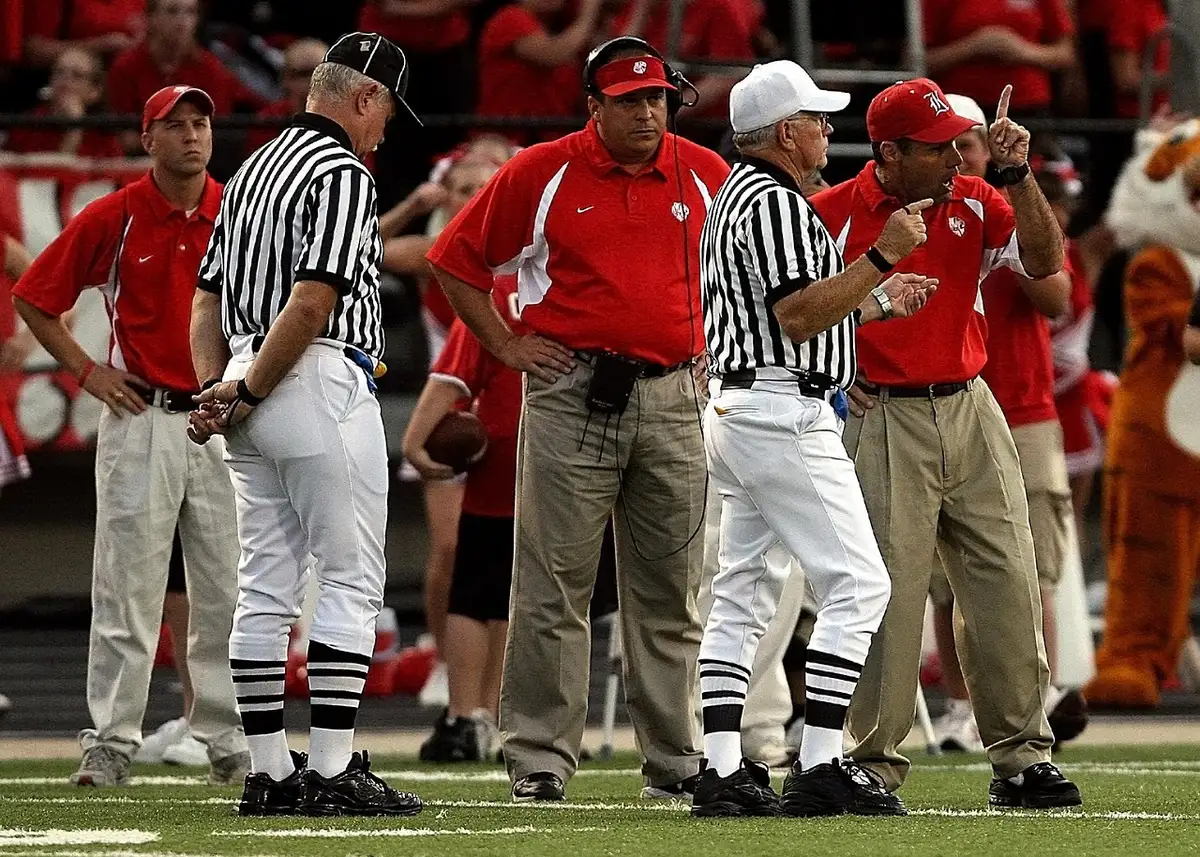
Historically, late-season results in this rivalry have shaped job narratives — a win can be a salve after inconsistency, while a loss can accelerate calls for change. Likewise, players projected to leave for the NFL are weighing risk vs. reward: another injury in a low-stakes game could alter draft position.
- Bowl implications: Both teams are more likely to land in mid-tier postseason games unless they finish strong.
- Coaching pressure: Continued losses amplify scrutiny around staff performance and could make the finale more consequential than it looks.
- NFL prospects: High-profile draft candidates must decide whether to play through the end of the college season or preserve their health and draft stock.
- Recruiting and momentum: A late-season skid can reverberate into recruiting cycles and offseason narratives.
For players with legitimate first‑round aspirations, the calculus is straightforward: every snap carries weight. Voters and scouts tend to favor players on winning teams, and a poor finish can cool both Heisman conversations and draft grade momentum.
What to watch on game day
- How aggressively each coach manages the game clock and personnel — a hint at whether the focus is pride or player protection.
- The availability and usage of lead offensive playmakers whose draft status could be affected by injury.
- Turnover margin and red‑zone effectiveness, where the Wolverines recently struggled.
- Postgame messaging from athletic departments — the tone often signals whether the program views the season as an aberration or a tipping point.
Even with less on the line for the College Football Playoff, this rivalry will still command national attention — not for trophies this year, but for the very tangible decisions it forces on coaches, players and program leaders. How each side responds over the next few weeks will tell whether this meeting becomes a mere footnote or the start of a larger turning point.