Show summary Hide summary
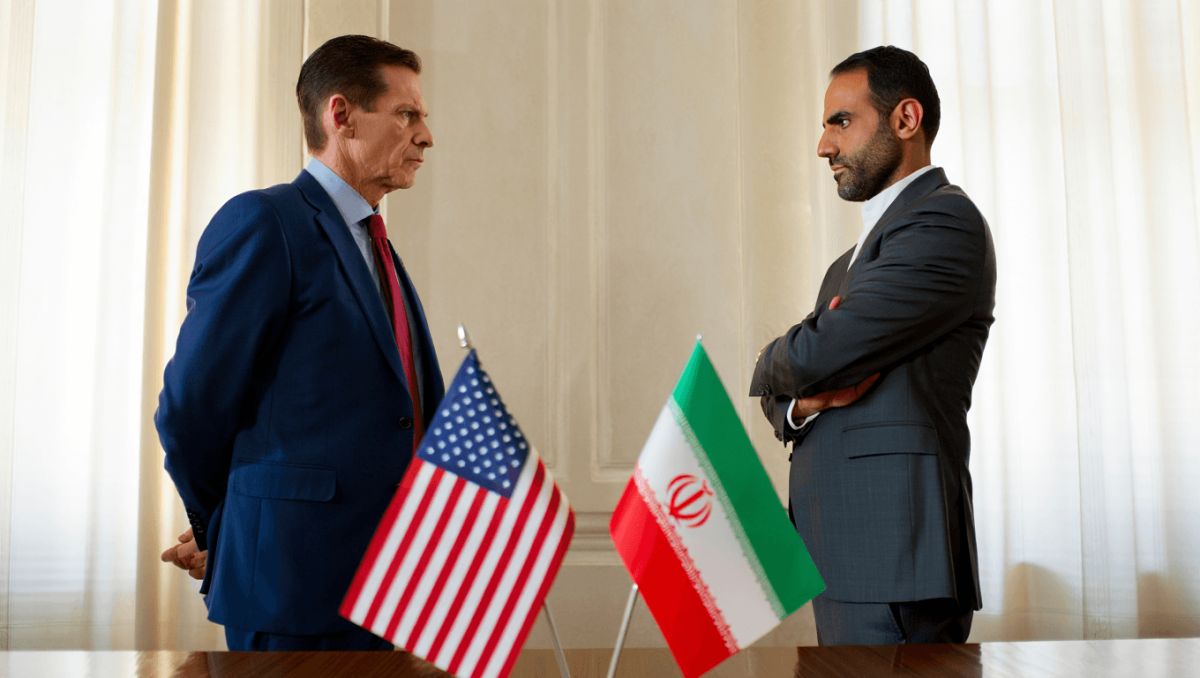
The United States and Iran both said they would dispatch delegations to Doha this week as mediators race to prevent a wider escalation, but Tehran insists it has not agreed to direct talks with Washington — leaving the region’s fragile pause in violence hanging in the balance. With recent strikes around the Strait of Hormuz disrupting shipments and energy markets, any breakthrough in Qatar could have immediate global consequences.
Diplomatic movements, muddled signals
Washington announced plans to send senior envoys to Qatar after President Trump said Iran had requested a meeting; the White House confirmed a small U.S. delegation would fly to Doha. Pakistani and Qatari officials have been named as intermediaries in the back-and-forth.
Boxing champions ditch long runs for high-intensity training: new era in fight prep
Czech nationals among victims of Pinedale-area crash: two confirmed dead
Iran’s team, however, denied that any face-to-face meetings with U.S. representatives are scheduled. A senior Iranian negotiator said Tehran’s delegation will travel to Doha to continue talks with mediators over the terms of a temporary arrangement, not to sit down directly with American officials.
What’s at stake in Doha
An interim framework already circulated among parties aims to halt fighting while negotiators work toward a broader agreement. Key elements reported to be under discussion include measures to alter parts of Iran’s nuclear material stockpile, temporary adjustments to oil-related restrictions, and explicit protections for commercial traffic through the strait — with a 60-day window to reach a full settlement.
- Immediate security: Can the recent pause in strikes hold long enough for negotiators to secure a durable ceasefire?
- Energy flows: Open passage through the Strait of Hormuz is critical to global oil markets; any renewed attacks would quickly push prices higher.
- Financial relief: Qatar’s planned release of frozen Iranian funds is meant to ease civilian hardships, but details and timing remain sensitive.
- Regional precedent: How the parties handle mine-clearing, transit rules and enforcement will shape future maritime governance in the Gulf.
Fighting along a vital shipping lane
Over recent days Iran struck vessels in and near the strait — including a tanker carrying Qatari crude — and the United States responded with airstrikes against Iranian assets. Both sides appeared to stand down on Monday, allowing some shipping to resume, but officials caution the pause is fragile.
The strait, which lies between Iran and Oman, has long been treated as an international corridor despite overlapping territorial waters. Any disruption there reverberates quickly through global energy markets because a significant share of crude transits the passage.
Cash flow and humanitarian aims
A U.S. official said Doha plans to release $6 billion in frozen Iranian assets under the interim arrangement. The funds are intended to buy food and essential goods for Iranian civilians, with purchases reportedly routed through international suppliers.
Iranian reformist officials have publicly acknowledged the planned disbursement, marking one of the highest-level confirmations that the funds will be used for humanitarian trade rather than unrestricted access to state coffers.
Oman weighs fees; France and Iran spar over demining
Oman’s foreign minister said Muscat and Tehran are discussing possible service charges tied to commercial transit — covering navigational assistance, pollution response and safety measures. Oman, he added, does not support blanket transit fees for the strait and emphasized compliance with international law.
At the same time, Paris and Tehran clashed over who should clear mines from shipping lanes. France’s president said several countries were coordinating demining efforts, a claim met with an Iranian warning that demining falls under Iran’s authority under the interim terms.
Cross-border repercussions: Lebanon and the Israel framework
Separately, Lebanon’s president said Beirut intends to deploy its army along the southern frontier as part of a framework agreement with Israel aimed at reducing cross-border fighting. The Iran-backed group Hezbollah rejected that pact and warned implementation could inflame internal tensions — a scenario that could draw regional actors deeper into conflict.
The framework envisions initial Israeli withdrawals from specific pilot zones followed by Lebanese army deployments, but practical details and guarantees remain unclear and contested by armed groups on the ground.
Diplomats in Doha face immediate, concrete choices: secure a durable halt to strikes, ensure unfettered maritime transit, and finalize mechanics for humanitarian funding — or risk a rapid return to wider combat that would hit energy markets and civilian populations alike.