Show summary Hide summary
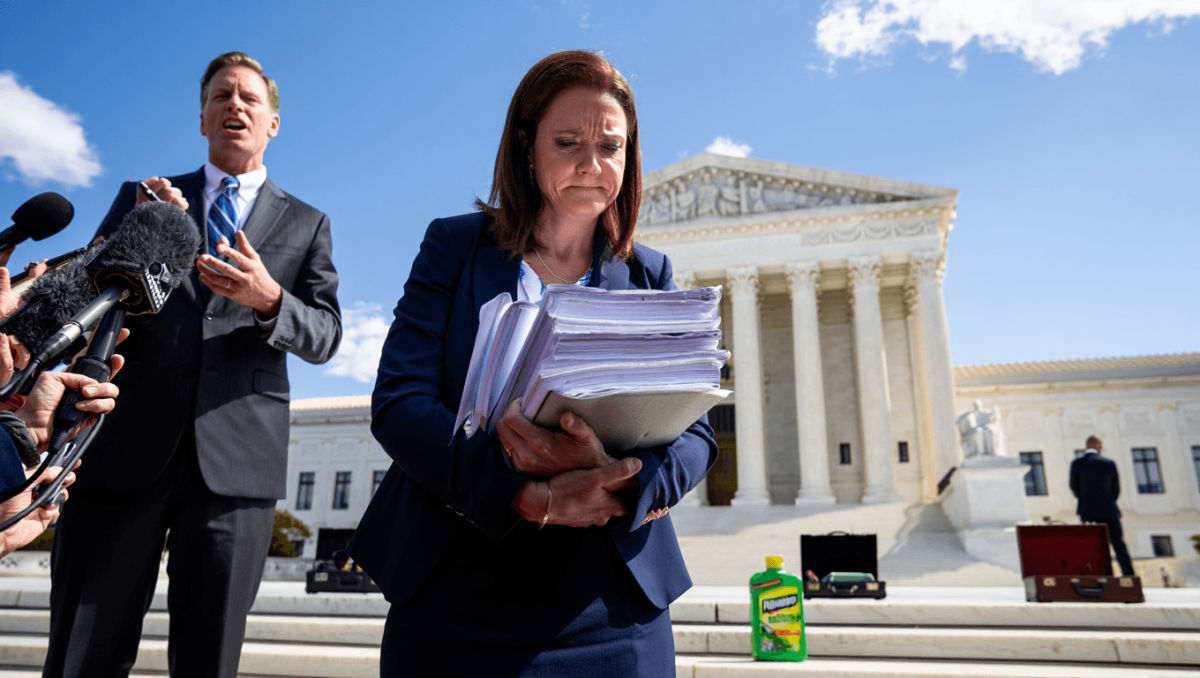
On June 25, the U.S. Supreme Court effectively blocked a large swath of lawsuits claiming the weedkiller Roundup should have carried cancer warnings, a ruling that could end or sharply reduce thousands of pending cases. The decision immediately refocuses debate on the safety of the herbicide’s active ingredient, glyphosate, and raises new questions for consumers, farmers and lawmakers.
What the court’s decision did — and why it matters now
The high court ruled that plaintiffs cannot pursue certain state-law failure-to-warn claims against the product’s manufacturer, a judgment that has already paused large segments of litigation nationwide. For people who say they developed cancer after using Roundup, the ruling removes a legal pathway many had relied on to seek compensation and public accountability.
Boxing champions ditch long runs for high-intensity training: new era in fight prep
Czech nationals among victims of Pinedale-area crash: two confirmed dead
The timing is significant: millions of products containing glyphosate remain in use on farms and in home gardens, and the verdict arrives as political debate over pesticide regulation is intensifying. Regulators, manufacturers and public-health advocates are now watching how the decision will shape future oversight, corporate liability and scientific inquiry.
Health and science: what we know (and don’t)
Scientific and regulatory views on glyphosate remain mixed. The U.S. Environmental Protection Agency has not concluded that glyphosate causes cancer and does not require a cancer-warning label, while some international bodies and independent researchers have flagged potential risks.
Notable milestones in the controversy include a 2015 classification by a World Health Organization agency that described glyphosate as “probably carcinogenic to humans,” and the recent retraction of a widely cited safety review from 2000 after undisclosed conflicts of interest came to light. Those developments have fueled lawsuits and public concern even as industry researchers and regulators maintain differing assessments.
One high-profile plaintiff, John Durnell, successfully persuaded a jury that exposure to Roundup contributed to his diagnosis of non-Hodgkin lymphoma after two decades of use. Cases like his helped drive the cascade of suits now affected by the Supreme Court’s decision.
Who is saying what
Manufacturers argue the ruling brings clarity and will curb what they call excessive litigation. Bayer, which acquired Roundup’s original maker, said the decision significantly limits legal exposure and allows the company to move forward.
Advocates, some lawmakers and patient groups framed the ruling as a setback for public health and for individuals seeking redress. At a press event, Senator Cory Booker said the court had sided with corporations over families who “are struggling with cancers that did not have to be.” Montana Representative and oncologist Dr. Melody Cunningham described the outcome as “a public health travesty,” adding that the decision does not equate to a finding that the product is safe.
Voices from the grassroots Make America Healthy Again movement — which has pushed for reduced pesticide use — expressed anger after reports that the federal administration had supported actions favorable to Bayer. Some activists say the next battleground should be Congress, where they hope new rules or disclosure requirements could be pursued.
- Legal impact: Thousands of existing suits may be dismissed or stalled, and future claims could face significant hurdles.
- Regulatory sway: The EPA’s stance gains practical weight when courts limit state-level warnings, but scientific reviews and independent research will continue to influence policy debates.
- For consumers: The product remains widely available; individuals concerned about exposure should weigh precautionary measures the same way they would for other household chemicals.
- Agriculture and supply: Farmers and supply chains watch for possible market or labeling changes that could affect planting and weed-management practices.
- Political response: Lawmakers and advocacy groups are signaling plans to press for legislative or regulatory remedies, which could draw attention ahead of elections.
Public-health experts caution that individual prevention efforts — such as reducing known cancer risk factors and following label instructions — remain important regardless of legal outcomes. At the same time, they say ongoing research into environmental exposures is warranted and that regulatory decisions should be informed by the latest science.
What’s next
The Supreme Court’s ruling is likely to reshape how courts handle pesticide-related claims and could prompt new legal strategies by both plaintiffs and defendants. Congress or federal regulators could still move to change labeling, approval standards or disclosure requirements, but any legislative response would require political consensus.
For now, the immediate consequence is legal: many cases that once seemed likely to result in jury awards are now uncertain, and families who sought compensation will need to reassess their options. The broader debate over glyphosate’s safety and how the U.S. oversees widely used agricultural chemicals, however, is unlikely to end with this decision.