
Show summary Hide summary
With grilling season and holiday weekends prompting more backyard barbecues, many Americans are eating red meat more often — a choice that carries nutritional benefits but also clear health trade‑offs. Nutrition authorities and public‑health agencies warn that some types of red meat, especially processed varieties, are tied to higher risks of chronic disease, so knowing which cuts to limit matters for your long‑term health.
What counts as red meat?
Boxing champions ditch long runs for high-intensity training: new era in fight prep
Czech nationals among victims of Pinedale-area crash: two confirmed dead
In dietary terms, red meat refers to beef, pork, lamb and other mammalian muscle meats. The category also includes many processed products — for example, cured or smoked slices and sausages — that undergo added seasoning, smoking or preservation.
What you gain — and what to watch
Red meat is a compact source of several nutrients that can be harder to obtain from plants alone. It supplies easily absorbed iron, zinc and B vitamins, particularly vitamin B12, along with smaller amounts of selenium and niacin. It is also a concentrated protein source: an ounce of cooked meat provides roughly 7 grams of protein, so a 6‑ounce steak delivers about 42 grams.
But those benefits come with downsides. Many cuts contain significant amounts of saturated fat, which can raise LDL cholesterol. Public‑health organizations have linked frequent consumption of processed and high‑fat red meats to higher rates of heart disease, Type 2 diabetes and certain cancers. The World Health Organization classifies red meat as a Group 2A (probably carcinogenic) exposure, and places processed meat in a higher category.
Three red meats worth limiting
| Meat | Why it’s concerning | Safer alternatives or swaps |
|---|---|---|
| Bacon | Highly processed, typically high in sodium and saturated fat; contains nitrates/nitrites used in curing. | Grilled or baked turkey breast, smoked salmon, or a small portion of lean pork loin; use sparingly. |
| Ham | Cured meat that often carries added salt and preservatives; frequent intake linked with cardiovascular risk. | Lean roasted poultry, legumes (lentils, chickpeas) for sandwiches and salads. |
| Salami and other cured sausages | Processed, calorically dense and rich in saturated fats and sodium; patterns of high consumption associate with diabetes and heart disease. | Fresh lean cuts (top sirloin, round roast), canned tuna, or plant‑based deli slices with low sodium. |
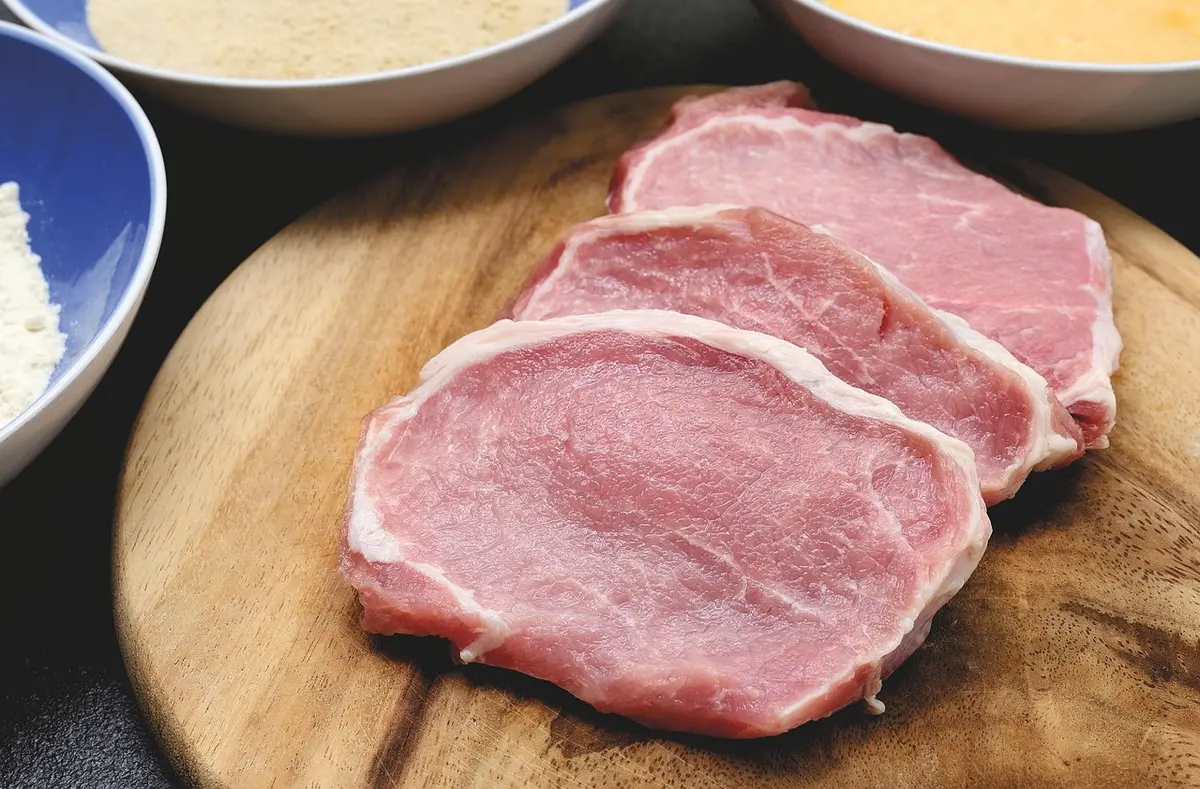
Nutrition experts typically recommend prioritizing whole, minimally processed foods. Where red meat is part of the menu, choosing leaner cuts — for example, top sirloin, top round or bottom round roasts — reduces saturated‑fat intake compared with fattier steaks or processed products.

Practical guidance you can use
Public‑health guidance varies, but a prudent approach is to limit red meat frequency and portion sizes. Simple steps that reduce risk without dramatic dietary overhaul include:
- Swapping processed meats for unprocessed lean proteins several times a week.
- Keeping portions modest — aim for palm‑sized servings rather than oversized steaks.
- Balancing plates with plenty of vegetables, whole grains and legumes to lower overall saturated‑fat density.
- Checking sodium on packaged meats; even “low‑fat” processed options can be very high in salt.
Someone whose diet already includes a lot of refined carbohydrates should be especially cautious: high‑carb eating patterns can elevate blood sugar and insulin, and combining that with saturated‑fat–rich foods may worsen metabolic risk factors.
Ultimately, the evidence suggests that cutting back on processed and high‑fat red meats in favor of leaner cuts and a broader variety of protein sources — fish, poultry, dairy, legumes and nuts — can lower long‑term risk without sacrificing nutrition. If you have specific health concerns, discuss personalized limits and substitutions with a registered dietitian or your clinician.