
Show summary Hide summary
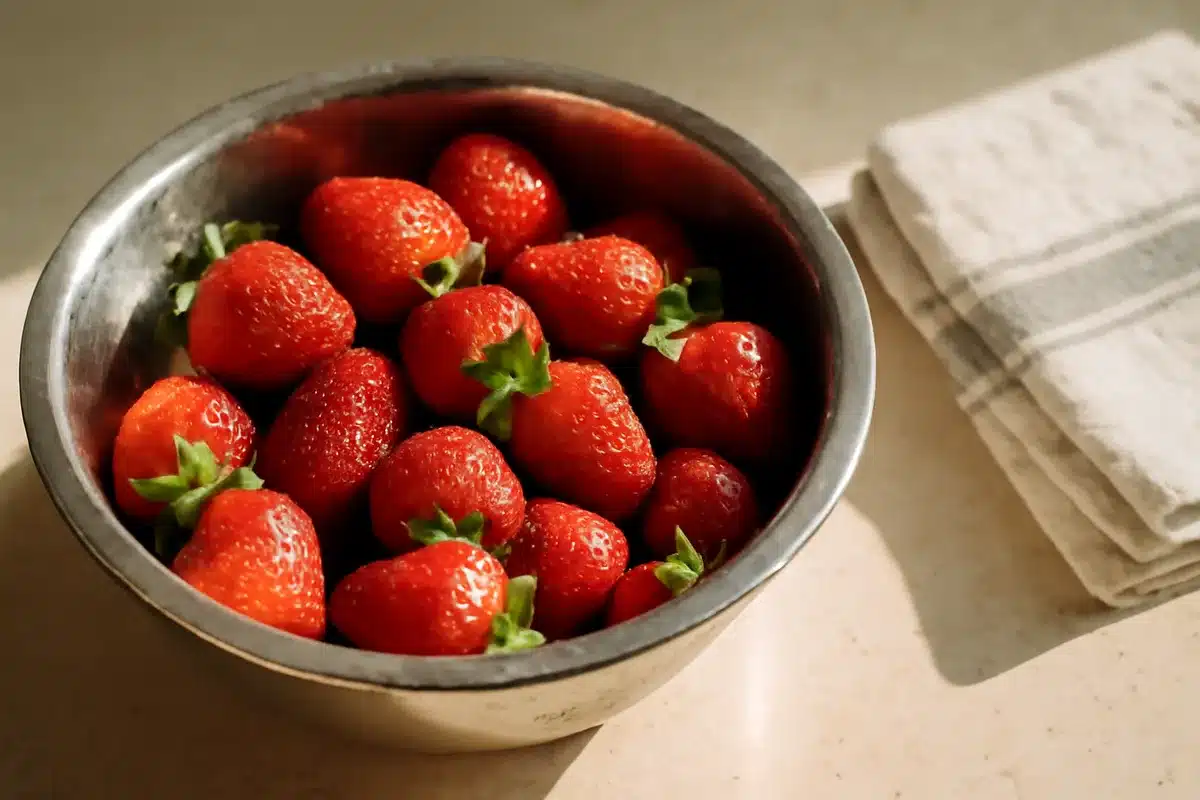
Strawberries are everywhere from morning smoothies to summer shortcakes, but the way you clean and store them can directly affect both safety and how long they last. A few simple handling steps—taken at the right moment—cut spoilage and reduce the risk of contamination.
Why cleaning matters now
Boxing champions ditch long runs for high-intensity training: new era in fight prep
Czech nationals among victims of Pinedale-area crash: two confirmed dead
Unlike thick-skinned fruit, strawberries have no peel to keep dirt, microbes or pesticide residues away from the edible flesh. They grow low to the ground, are picked by hand and travel through many hands and environments before reaching stores, which increases the chance of soil, insects or pathogens landing on their surface.

Health officials have linked both fresh and frozen strawberries to outbreaks of foodborne illness in recent years, including hepatitis A, underscoring why proper washing is more than a kitchen nicety. The U.S. Food and Drug Administration advises against using household soaps on produce because porous fruit can absorb residues—so how you rinse matters as much as whether you rinse.
When to buy and what to expect
Most regions see the best strawberries from spring into early summer, when many varieties hit their sweetest point and prices are lower. But thanks to extended growing seasons in states like California and winter production in Florida, strawberries remain commonly available year‑round.
Remember: strawberries do not ripen after being picked. That’s why fresh-market berries are typically harvested when they’re already ripe. If you want longer storage, consider buying frozen fruit or products such as purees and jams made from seasonal harvests.
Practical steps to wash and store strawberries
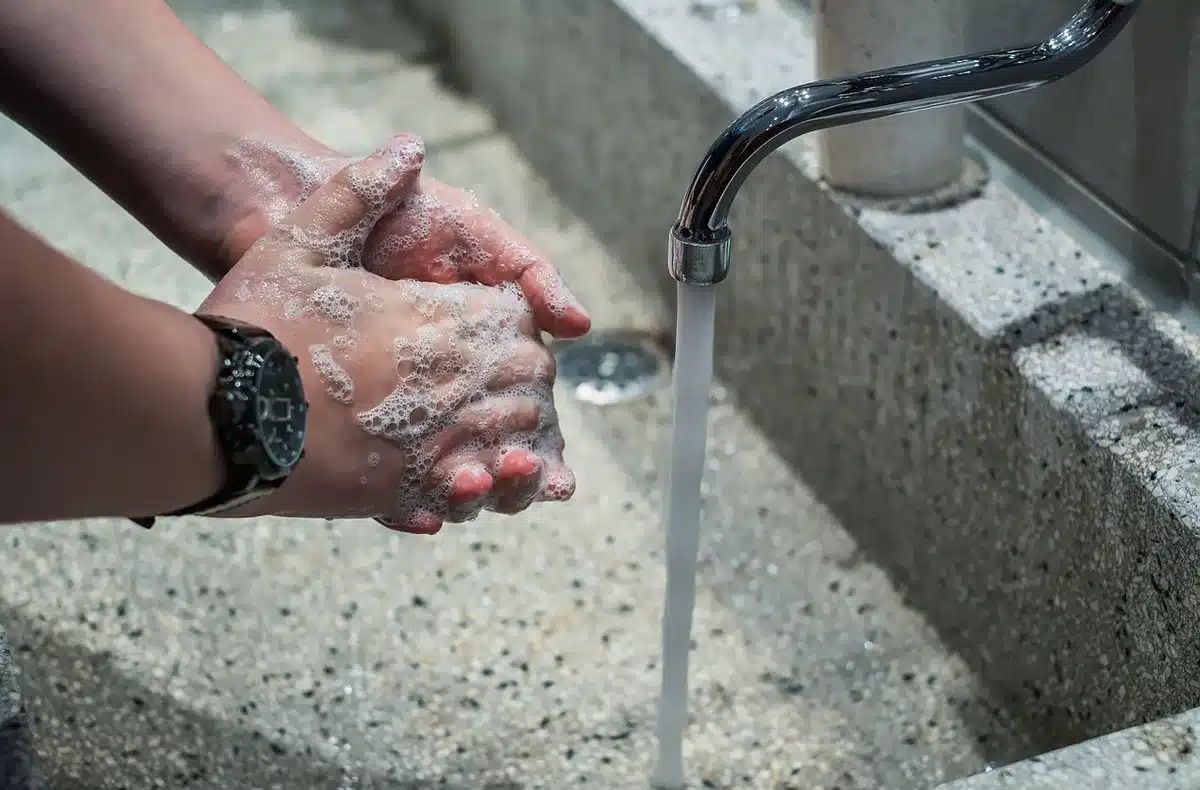
Before handling fruit, wash your hands with soap and water to avoid transferring germs. Inspect berries and remove any that are moldy, leaking or overly soft—one spoiled strawberry can speed up decay in the rest of the batch.
- Place berries in a colander and rinse under cool, running water. Gently rub each berry with your fingers to dislodge dirt trapped around the tiny seeds and in crevices.
- Avoid soap or commercial produce washes. The FDA and nutrition experts say these are unnecessary and may leave residues on porous fruit.
- Optional: if you want extra cleaning, briefly soak berries in a mild solution—one part vinegar to three parts water or a short baking-soda bath—then rinse again with plain water to remove any vinegar taste.
- Dry berries by patting them gently with a clean towel or letting them air-dry on a rack. Excess moisture promotes mold, so drying is important.
- If you won’t eat all the washed fruit immediately, refrigerate them in a breathable container lined with paper towels to absorb leftover moisture.
For maximum shelf life, keep unwashed strawberries in the fridge and wash only before you plan to eat them. Washing too early can introduce moisture that accelerates softening and mold growth—one of the quickest ways to lose a batch.
Why texture and structure matter
Strawberries’ surface is uneven and covered in tiny seedlike achenes that can trap sediment and residues. That porous structure means they often need a bit more attention than smoother fruits: a careful rinse and gentle rub helps remove material that a quick splash won’t.
Handled right, strawberries remain a low-calorie source of fiber, vitamin C and other nutrients — and more importantly, a safer and longer-lasting ingredient in your meals. A few minutes of careful washing and mindful storage will keep them flavorful and reduce food-safety risks.
Key tips at a glance:
- Wash hands before handling.
- Rinse under cool running water; rub gently.
- Skip soap and commercial washes.
- Optional vinegar or baking-soda soak—then rinse.
- Dry thoroughly and refrigerate in a breathable container.