Show summary Hide summary
A new kind of rural getaway is reframing what wellness can look like: rather than sleek spas or high-tech biohacking, this retreat centers its programs on the rhythms and practices of cattle care. The result taps into growing interest in nature-based health, sustainable food systems and slower living — and raises practical questions about animal welfare, rural economies and what consumers expect from so-called “farm” experiences.
What guests actually do
The retreat combines hands-on farm tasks with low-key relaxation. Mornings often begin with guided walks across pastures, followed by sessions that introduce participants to traditional dairy processes and seasonal farm maintenance. Afternoons lean toward quiet activities: simple meditative practices, communal meals featuring local dairy, and optional workshops on sustainable land management.
High school fake substitute arrested after racist tirade and asking students for marijuana: police
Florida Gators reclaim Swamp dominance: Ole Miss suffers crushing defeat

Organizers stress that this is not a novelty animal act; the schedule is designed around the animals’ needs as much as visitors’. That includes time for herds to graze undisturbed and limits on visitor numbers during sensitive periods like calving.
Core offerings
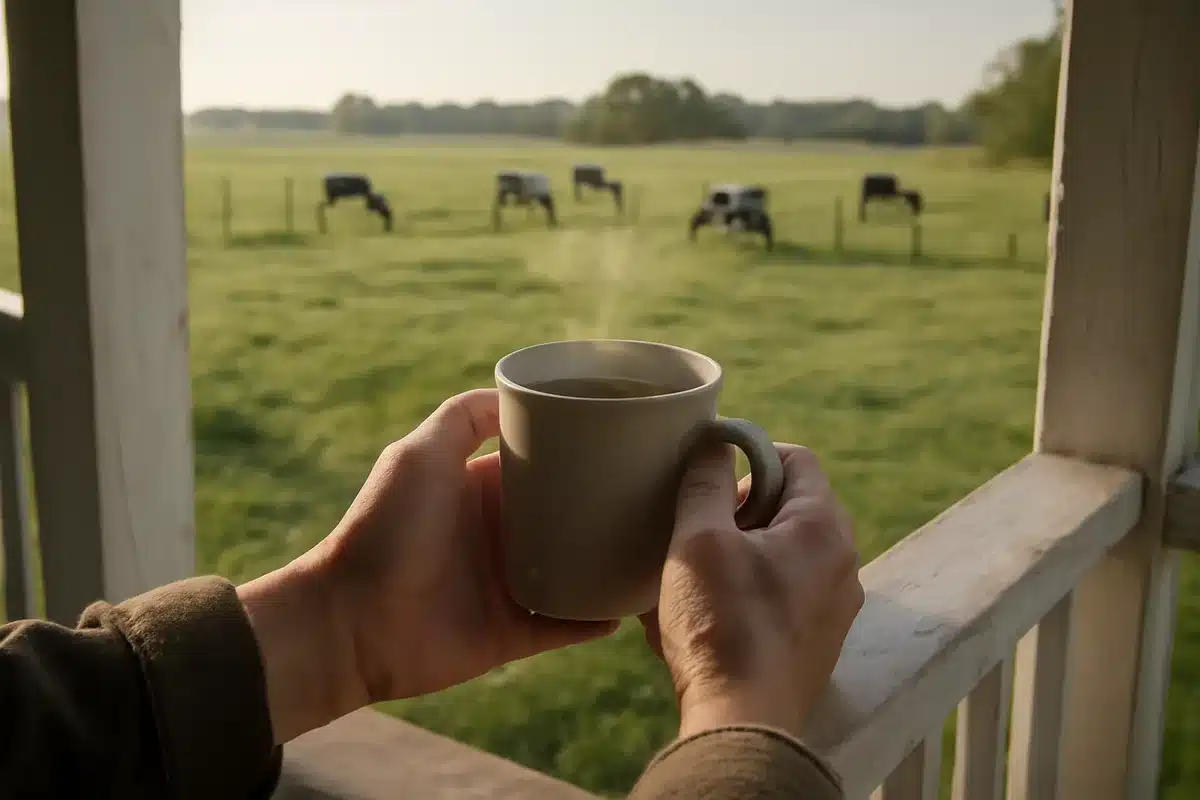
- Pasture immersion: slow walks through grazing fields, with attention to scent, sound and seasonal change.
- Hands-on dairy craft: simple, supervised introductions to milking, cheesemaking and butter preparation using farm ingredients.
- Farm-based workshops: short courses on regenerative grazing, composting and small-scale animal care.
- Quiet hours and digital-lighting protocols to encourage rest and reflection.
- Farm-to-table meals that focus on local producers and seasonal menus.

Why this matters now
Demand for nature-centered experiences has surged since the pandemic, with travelers increasingly looking for escapes that feel restorative rather than purely recreational. Retreats that foreground animals and agricultural practices respond to that interest while also offering income opportunities for rural communities. But they also introduce trade-offs.
Ethical questions about animal handling, the commercialization of farm life and the environmental footprint of increased visitation require active management. Some farmers welcome diversified revenue streams; others worry about the labor, oversight and changes to herd routines that come with hosting guests.
What experts say — and what evidence shows
Research into animal-assisted interventions and time spent in nature points toward modest benefits for stress reduction and wellbeing. Those effects are typically linked to sustained exposure to green space and non-stressful animal interactions rather than novelty encounters. For that reason, many practitioners emphasize consistent, low-impact contact and staff trained in both animal welfare and guest safety.
Retreat operators who build partnerships with veterinarians, conservationists and local residents tend to report smoother operations and better outcomes for both animals and visitors. Transparency about daily routines, clear visitor limits, and educational framing are common best practices.
Who this experience is for — and who should be cautious
These programs appeal to people seeking slow-paced breaks, hands-on food education, and rural connection. Families, small groups and individuals interested in sustainable agriculture are typical attendees.
However, those with severe animal phobias, unresolved allergies or mobility limitations should check accessibility and safety policies before booking. Pregnant visitors and young children may face additional restrictions around certain activities; responsible operators make those rules explicit.
Key takeaways
- Farm-focused wellness retreats reflect a broader shift toward nature-led experiences and local food education.
- Benefits for guests depend on respectful, low-intensity interactions and time spent in green space.
- Success for farms relies on strong animal-welfare standards, clear visitor rules and community collaboration.
As rural tourism expands, these ventures will likely continue to evolve. The most credible programs will be the ones that balance visitor curiosity with clear protections for animals and the landscapes they depend on — turning a short stay into something that benefits both people and place.