Show summary Hide summary
As conversations about pelvic health go mainstream, low-tech tools are finding a surprising audience. A compact trainer that gives physical feedback during pelvic exercises — without linking to a phone — is being picked up by people who say it helps them learn the right contractions and releases faster than solo Kegels.
Pelvic floor conditions touch a large share of the population: research published in JAMA estimates roughly one in three women will face a pelvic floor disorder in their lifetime. For many, the first sign is leaking, pelvic pressure or loss of muscle control that makes everyday tasks harder.
Why feedback, not metrics, is gaining traction
One recurring obstacle with traditional Kegel routines is technique. Health professionals warn that just squeezing isn’t enough — and that failing to fully relax the muscles afterward can actually worsen symptoms for some people.
Boxing champions ditch long runs for high-intensity training: new era in fight prep
Czech nationals among victims of Pinedale-area crash: two confirmed dead

That gap has driven interest in devices that provide immediate, physical cues during exercise. Instead of charts, badges or gamified dashboards, some users prefer tactile signals that confirm when they’ve both tightened and released the pelvic muscles properly.
What the trainer does and how it works
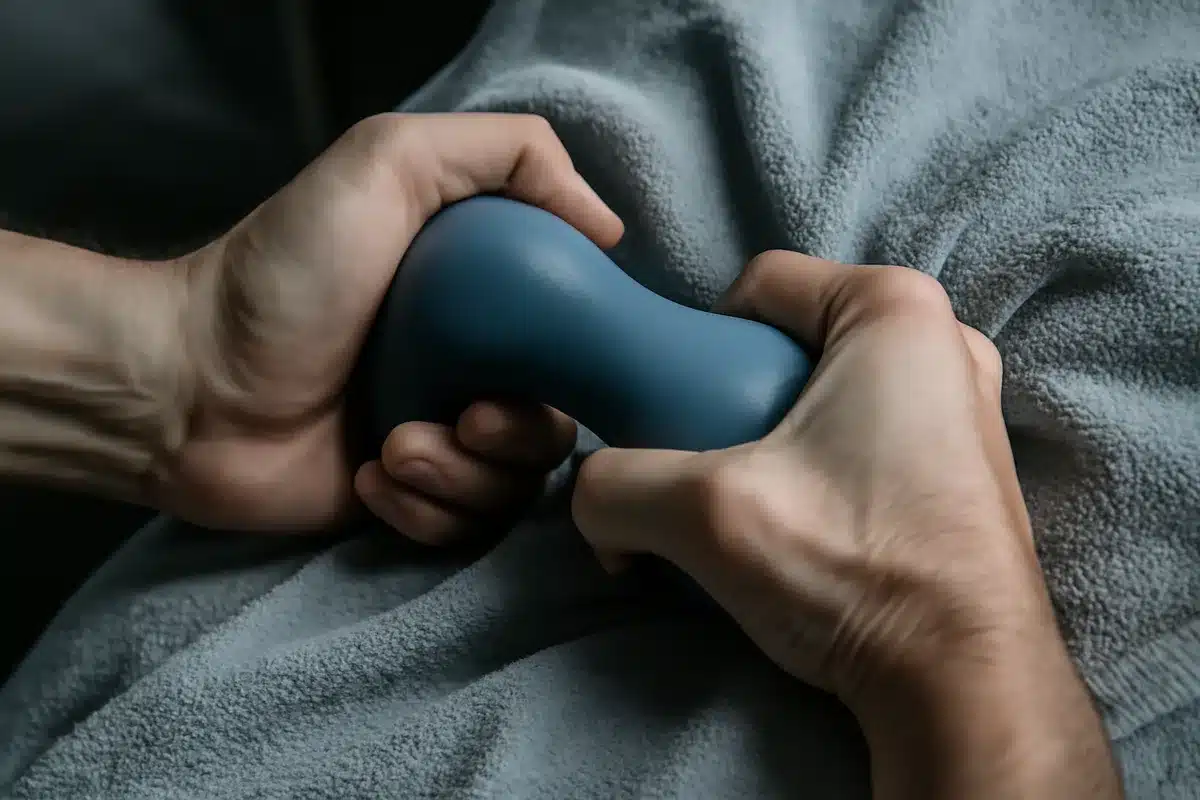
The device in question is designed to sit internally and respond to muscle movement. It does not rely on a companion app or cloud storage; it communicates through touch and simple vibration so users can feel whether they’ve completed a full contraction-and-release cycle.
- 360° sensing around the device detects engagement from different angles rather than a single pressure point.
- Vibration feedback that continues until the device detects a full relaxation, teaching both tightening and letting go.
- Multiple resistance levels to gradually increase challenge, similar to progressive strength training.
- No phone pairing or data collection; the tool is intentionally screen-free.
- Ergonomic design with a flexible stem for easier placement and comfort.
- Retail pricing has recently been advertised around $55 after a promotional discount.
Who may benefit — and who should check with a clinician
This type of trainer can be useful for a range of users: people recovering after childbirth, those experiencing mild urinary leakage, or anyone wanting better awareness and control of their pelvic muscles. Physical therapists increasingly use tactile feedback in clinic settings for the same reason — it accelerates learning.
That said, devices are not a substitute for medical evaluation. If symptoms are severe, sudden, or accompanied by pain, a healthcare provider should be consulted. Specialists can rule out underlying conditions and recommend supervised pelvic-floor therapy when needed.
How it compares with Kegels and pricier alternatives
Traditional Kegels remain a recommended first-line exercise, but they depend on the person sensing the correct muscles — something many people find difficult without guidance. The trainer’s principal advantage is teaching both contraction and relaxation through physical cues rather than visual data.
- Kegels: inexpensive and accessible but technique-dependent and easy to do incorrectly.
- Screen-free trainers: focus on tactile learning, useful for habit-building without digital distractions.
- App-connected devices: often provide progress dashboards, guided programs and gamification but at higher cost and with data-tracking trade-offs.
Practical considerations before buying
For readers thinking about trying one, consider these points:
- Look for clinically informed design and clear instructions on usage.
- Ask whether the product has been assessed in studies or recommended by pelvic health professionals.
- Check materials and cleaning guidance for safe long-term use.
- Consult a clinician if you have pelvic pain, recent surgery or complex symptoms.
As pelvic health becomes less stigmatized, devices that prioritize simple, immediate feedback are carving out a niche between self-guided Kegels and high-tech, app-driven systems. For many users, that balance—learning the right movement without a screen—appears to be the point of appeal.