A coalition opposing Wyoming’s lone November ballot measure has asked the Secretary of State’s office for internal records, arguing the official ballot language understates the initiative’s fiscal consequences — a dispute that could shape voter understanding in the run-up to the election. The request, and the Secretary of State’s swift rebuttal, centers on how the fiscal impact was calculated and whether it reflects the full cost to state and local services.
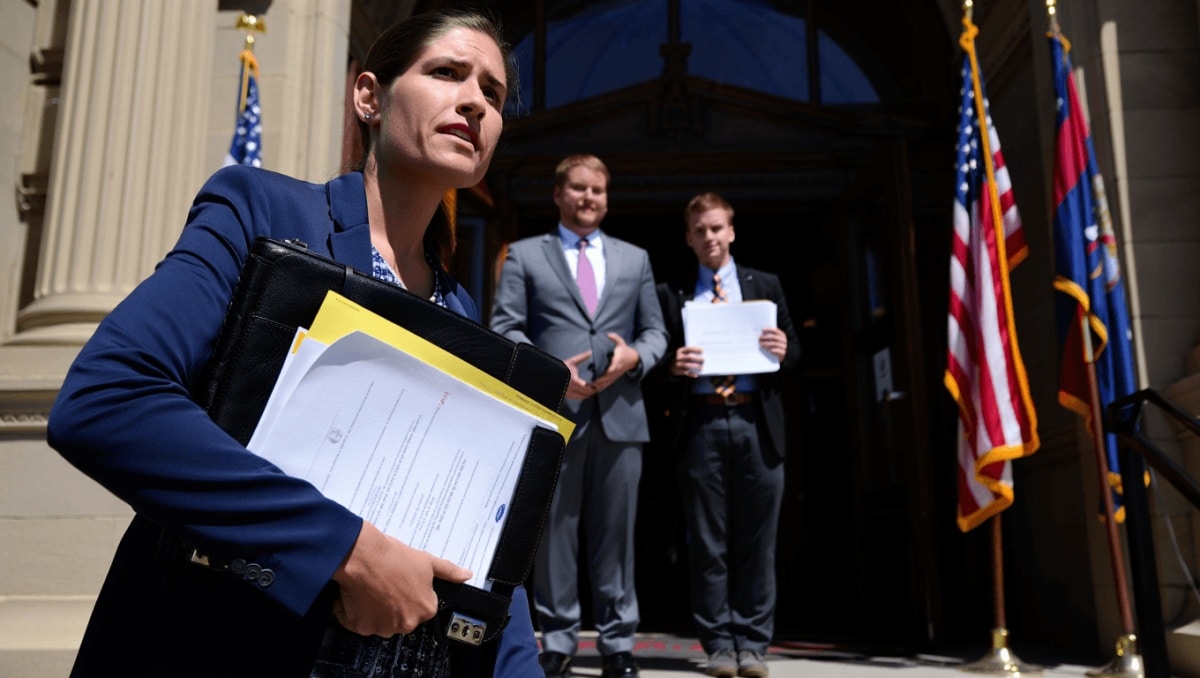
Attorney Elizabeth Lance of Lance & Hall LLP sent a June 23 public-records request to Secretary of State Chuck Gray on behalf of the Vote NO on Initiative #1 coalition. The letter seeks communications between Gray’s office and other state agencies about the drafting of the ballot text and the **fiscal impact estimate** that accompanies it.
“There’s some confusion on our side as to what the actual impact would be,” said Cory Cronin, executive director of the Wyoming Voter Network, who framed the records demand as a push for clearer information for voters.
Boxing champions ditch long runs for high-intensity training: new era in fight prep
Czech nationals among victims of Pinedale-area crash: two confirmed dead
The disagreement hinges on a shift in the numbers disclosed to voters. An earlier estimate prepared in October 2023 calculated larger near-term revenue losses; the certified ballot language now lists lower projected losses for later fiscal years.
| Estimate (source/date) | Projected State Revenue Impact | Fiscal Year |
|---|---|---|
| October 2023 (Department of Revenue) | $137 million loss; $142 million loss | FY2026 and FY2027 |
| Certified ballot language | $92.6 million loss; $95.9 million loss | FY2028 and FY2029 |
Gray pushed back, saying state law requires the fiscal estimate to be completed before petition circulation begins and cannot be altered afterward. He told Oil City News that the estimate was produced in consultation with the Wyoming Attorney General’s Office and limits the calculation to impacts at the **state** level, not on counties or other local governments.
“Circulation for this initiative started in 2023,” Gray said in comments shared with reporters, adding that statute 22-24-309 governs the timing and finality of the estimate. He described the coalition’s request as containing “multiple false representations and insinuations.”
Hank Hoversland, executive director of the Wyoming Taxpayers Association, said initiative sponsors first attempted to qualify the measure for the 2024 ballot during 2023 but fell short on signatures. That timeline, he argues, helps explain why the initial, larger figures were used — they predate more recent state revenue forecasts — but he also said the Department of Revenue, which produced the earlier numbers, has not communicated with the Secretary of State’s office since 2023 and does not know who provided the lower figures now printed on the ballot.
Beyond the revenue totals, critics say the certified ballot language lacks information voters typically see in legislative fiscal notes: an estimate of how much state spending would need to increase to offset lost property tax revenue. Hoversland emphasized that omission.
“Voters don’t get that information with the ballot language that we’ve seen,” he said, highlighting potential gaps in the public’s ability to weigh tradeoffs between tax relief and funding for public services.
- About two-thirds of Wyoming’s property tax revenue supports **education**, which means cuts to assessed property values can shift funding pressures to state budgets.
- Residential property taxes account for roughly 30% of total property tax collections; revenue from mineral production contributes nearly half.
- If homeowners receive larger exemptions, state lawmakers may have to increase spending elsewhere or identify new revenue sources to maintain current services.
The Vote NO coalition’s request could lead to further scrutiny of how fiscal impacts are reported on ballot language and whether current rules provide voters with a complete picture. For now, Gray maintains the estimate attached to the initiative is legally final and limited to state-level effects, while opponents argue voters deserve clearer disclosure about both the timing and the magnitude of costs.
The full text of the proposed initiative and its certified ballot language are publicly available through official state and media sources for voters who want to review the measure in detail.