Show summary Hide summary
A federal judge is poised to rule this week on whether about 500 cow‑calf pairs can be barred from grazing four allotments near the Gros Ventre Range while litigation proceeds — a decision that could immediately affect ranching plans and grizzly bear management in the Greater Yellowstone region.
The dispute centers on the 30,500‑acre Elk Ridge complex, a cluster of four allotments roughly 30 miles southeast of Jackson where the Bridger‑Teton National Forest has approved short‑term cattle use this season. Conservation attorneys say the Forest Service has not completed fresh environmental reviews required by federal law; the agency and cattle advocates say an older analysis covers the action.
What’s at stake now
U.S. District Judge Kelly Rankin heard arguments in Cheyenne Wednesday on a temporary restraining order sought by the Western Watersheds Project. The order would preserve the current situation by keeping livestock out of the Elk Ridge allotments until the court resolves whether new grazing authorizations complied with the National Environmental Policy Act (NEPA).
High school fake substitute arrested after racist tirade and asking students for marijuana: police
Florida Gators reclaim Swamp dominance: Ole Miss suffers crushing defeat

Forest Service annual operating instructions authorized grazing from Aug. 15 to Oct. 15, and local ranchers had assembled between 500 and 550 cow‑calf pairs nearby, ready to move in. Agency lawyers told the court the action does not amount to a new major federal decision and can proceed under a 1978 environmental assessment. Western Watersheds attorneys call that reading inaccurate and legally insufficient.
- Location: Elk Ridge complex — Tosi Creek, Elk Ridge, Lime Creek, Rock Creek allotments.
- Size: About 30,500 acres, roughly 30 miles southeast of Jackson, Wyo.
- Livestock poised to enter: Approximately 500–550 cow‑calf pairs.
- Agency authorization: Bridger‑Teton allowed grazing Aug. 15–Oct. 15 under annual operating instructions.
- Legal claims: NEPA challenge by Western Watersheds; separate Endangered Species Act notice from a coalition over grizzly impacts.
Why the 1978 analysis is disputed
The Forest Service’s legal filing relies on the 1978 environmental assessment to justify short‑term cattle use. Assistant U.S. Attorney C. Levi Martin said the parameters — timing, duration and animal numbers — fall within the original analysis’ bounds.
Environmental counsel Jessica Blome of Greenfire Law, representing Western Watersheds, disputes that interpretation. She says the 1978 review explicitly excluded the Tosi Creek allotment from cattle use because of its wilderness character and envisioned a four‑year rotation that would rest the full complex in the fourth year — a management regime far different from the Forest Service’s current plan, which would herd hundreds of cows through all four allotments in a single two‑month window.
“The 1978 assessment’s restrictions are not consistent with what the Forest Service is authorizing today,” Blome said, arguing that the agency’s approach represents a substantial departure that triggers NEPA’s requirement for updated analysis.
Fire, livestock and grizzly conflicts
Forest Supervisor Chad Hudson has said staff approved grazing on Elk Ridge in part because the 2025 Dollar Lake Fire damaged adjacent Upper Green allotments, reducing available forage. Ranching groups, however, note the Forest Service is still permitting grazing on some fire‑impacted rotations — a point critics cite as undermining the fire‑damage rationale.
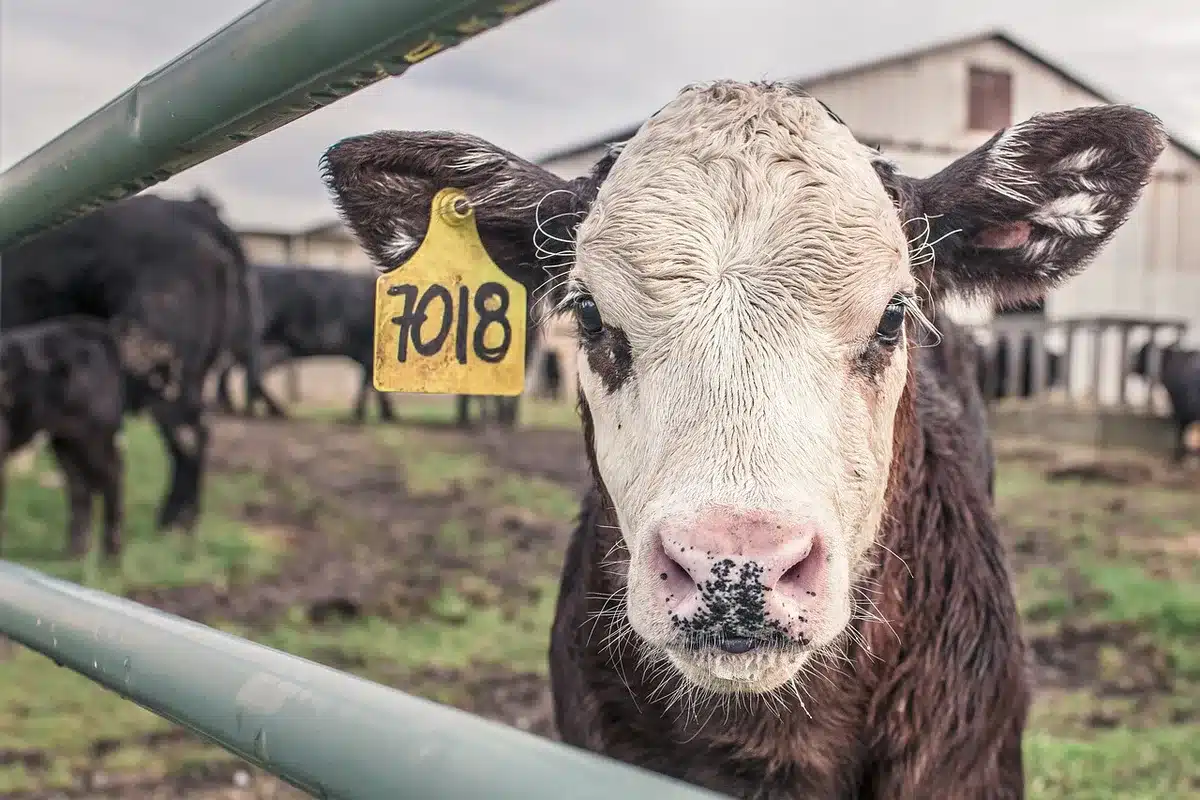
The area in and around the Elk Ridge complex is a persistent hotspot for encounters between grizzly bears and livestock. Earlier this summer the U.S. Fish and Wildlife Service signed off on an ESA compliance document concluding cattle stocking in the Elk Ridge units would not create new impacts to grizzlies, but a separate coalition of conservation groups has sent formal notice that they will sue for alleged failures to consult properly with Fish and Wildlife.
Upper Green ranchers report this year’s livestock losses to bears are within recent averages. Coke Landers, president of the Upper Green River Cattleman’s Association, said producers are waiting anxiously for the court’s decision and for clarity about whether animals will be moved into the allotments.
Possible outcomes and implications
If Judge Rankin grants the restraining order, cattle would remain out of Elk Ridge until the court resolves whether the Forest Service complied with NEPA. That outcome would extend the status quo and could narrow grazing options for regional producers already affected by wildfire‑damaged pastures.
If the court allows grazing to proceed, the case would likely continue on the merits and could prompt parallel litigation under the Endangered Species Act over effects on grizzly bears. Either outcome has immediate management implications:
- For ranchers: a rapid resumption of grazing would relieve pressure on nearby allotments; a pause would require moving livestock or finding alternative range.
- For wildlife managers: expanded grazing in bear country raises questions about conflict mitigation and compensation for losses.
- For federal agencies: a court ruling requiring updated CEQA/NEPA analysis could set precedent for how decades‑old assessments are applied to modern grazing decisions.
The judge indicated during the hearing that a prompt ruling was possible. Parties on both sides said they expect a decision within days, a timetable that underscores how quickly legal process can change land‑use plans and on‑the‑ground realities for both livestock producers and wildlife in the Greater Yellowstone landscape.