Show summary Hide summary
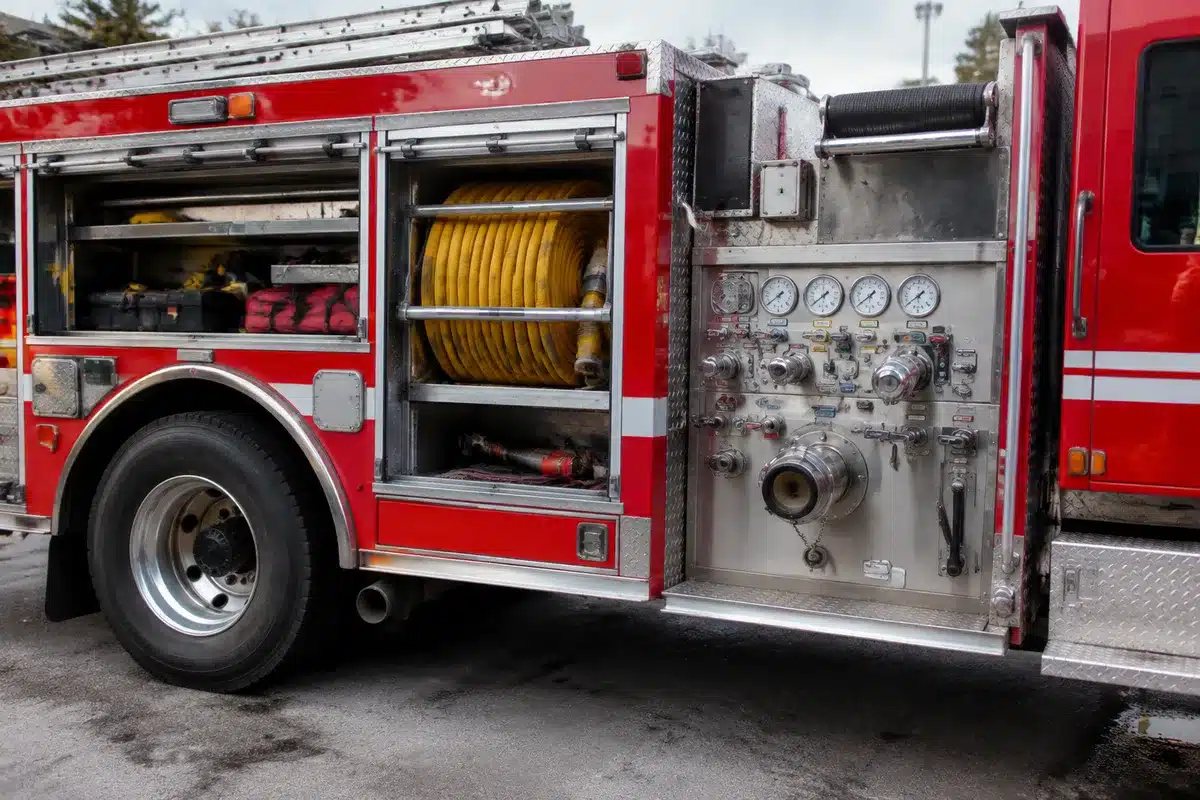
Western Laramie County is set to receive a new heavy rescue pumper that officials say will bolster emergency response across the region. Scheduled to enter service in about two years, the apparatus is built for long-term use and to operate alongside neighboring departments during multi-agency incidents.
Purpose and design
The vehicle — purchased through IKON Fire of Fort Collins, Colorado — is a rescue pumper configured to handle both firefighting and technical rescue tasks. Its layout and equipment were selected to support high-intensity calls while remaining compatible with mutual-aid partners.
NFL week 9 fallout: Burrow surges, Williams breaks out, Rams face new questions
Wy Fresh signals exit: will sell property and relocate if city annexes its land
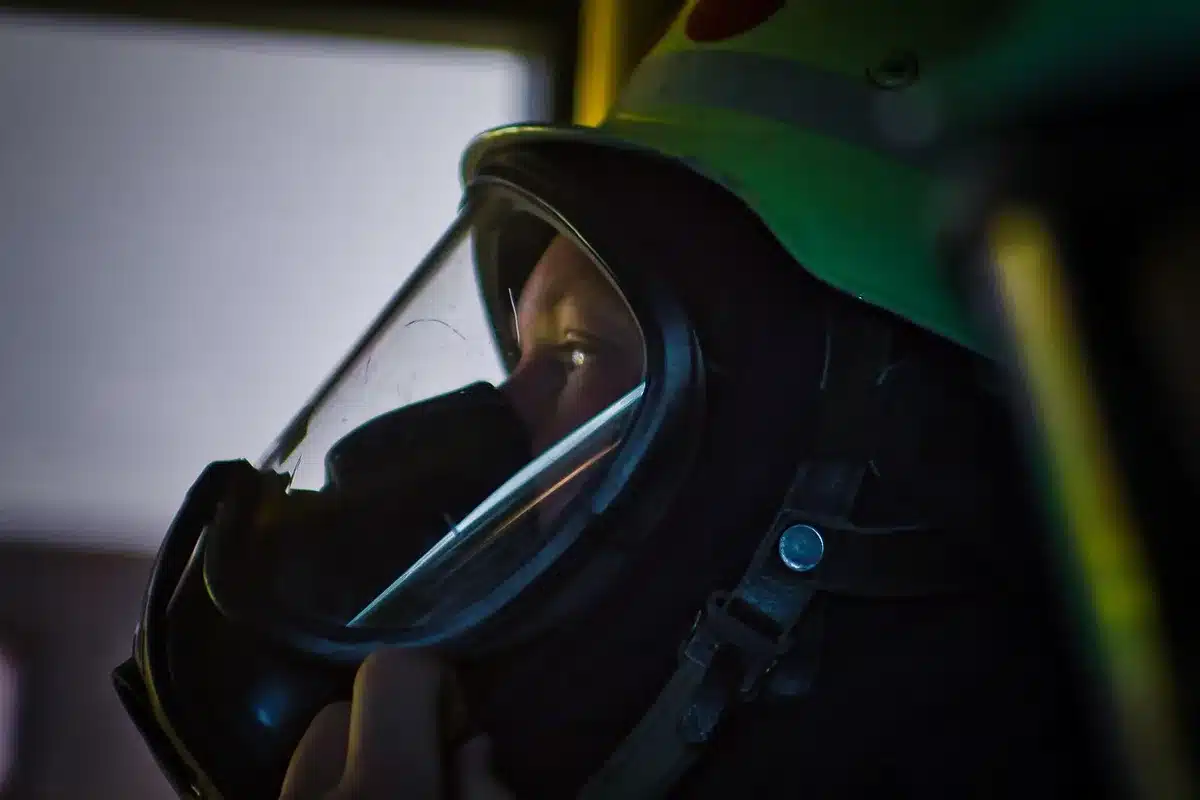
Engineers focused on durability and crew safety. That approach is evident in the chassis, powertrain and the ergonomics inside the cab, where quick access to essential gear and reliable communications were prioritized.
- Chassis: Rosenbauer COMMANDER
- Body: Rosenbauer EXT severe-duty construction
- Engine: Cummins X15, 525 HP
- Pumping capacity: 1,500 gallons per minute
- Foam capability: Integrated proportioning for foam operations
- Safety and convenience: heated rear-view mirrors, side- and rear-facing cameras, Shoreline block heater
- Communications: Setcom intercom system
- Storage: rear-facing in-cab cabinet for rapid-access equipment
Operational impact and timeline
The authority expects the apparatus to remain in service for roughly 20 years. Final assembly and customization will take close to two years before the truck is available for frontline duty.
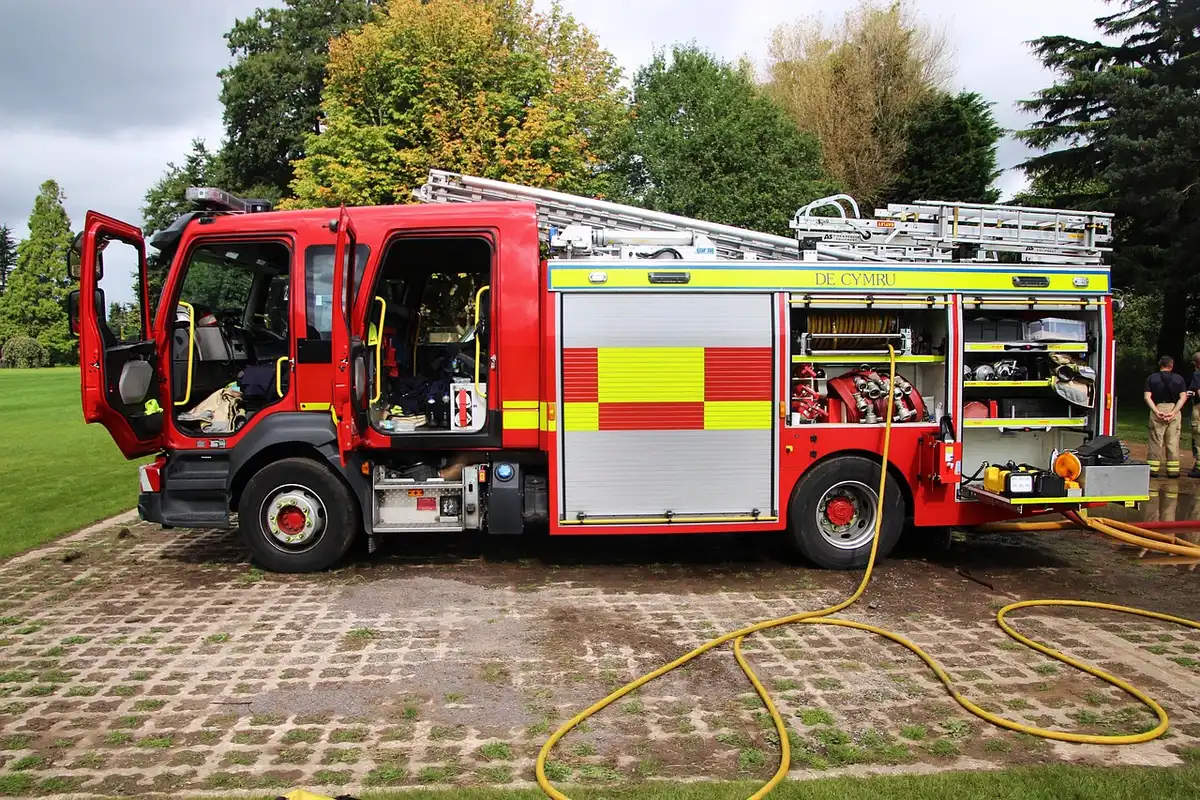
When deployed, the new unit should expand the authority’s capacity for complex rescues and high-flow water delivery, while improving scene coordination through enhanced camera coverage and intercom systems. Those features can shorten task times and reduce physical strain on crews during prolonged incidents.
Local procurement and interoperability
IKON Fire handled the sale and customization details from its Fort Collins location. By selecting common platforms and widely used components, the authority aimed to simplify maintenance and ensure parts compatibility with neighboring departments — a practical consideration in mutual-aid scenarios.
For residents, the investment means more robust response options in a region that covers both populated corridors and remote stretches where specialized equipment can be decisive. The upgrade reflects a broader trend among smaller departments toward multi-role apparatus that balance suppression, rescue and support functions.