Show summary Hide summary
Laramie County’s economy and housing market shifted noticeably in 2025, according to the latest county profile from the Wyoming Department of Administration and Information. The data show rising population and home prices, shrinking farm earnings, and a clear tilt in sales-tax receipts from energy toward construction — changes that carry practical consequences for residents and local planning.
The Wyoming Economic Analysis Division’s annual county reports track dozens of indicators; the 2025 snapshot for Laramie County highlights a mix of recovery and new pressures as the area absorbs recent migration and big industrial developments.
Population and age
High school fake substitute arrested after racist tirade and asking students for marijuana: police
Florida Gators reclaim Swamp dominance: Ole Miss suffers crushing defeat
The county’s population climbed to 101,783 in 2025 after a slight dip in 2023. Growth has returned over the last two years: a modest rebound in 2024 followed by a larger gain in 2025. Most of this increase — roughly 580 people — came from migration rather than natural growth.
Demographically, Laramie County is getting older. The median age rose to 38.7 from 38.2 two years earlier, continuing a statewide aging trend that affects labor markets, health services and long-term planning.
Housing: prices up, supply down
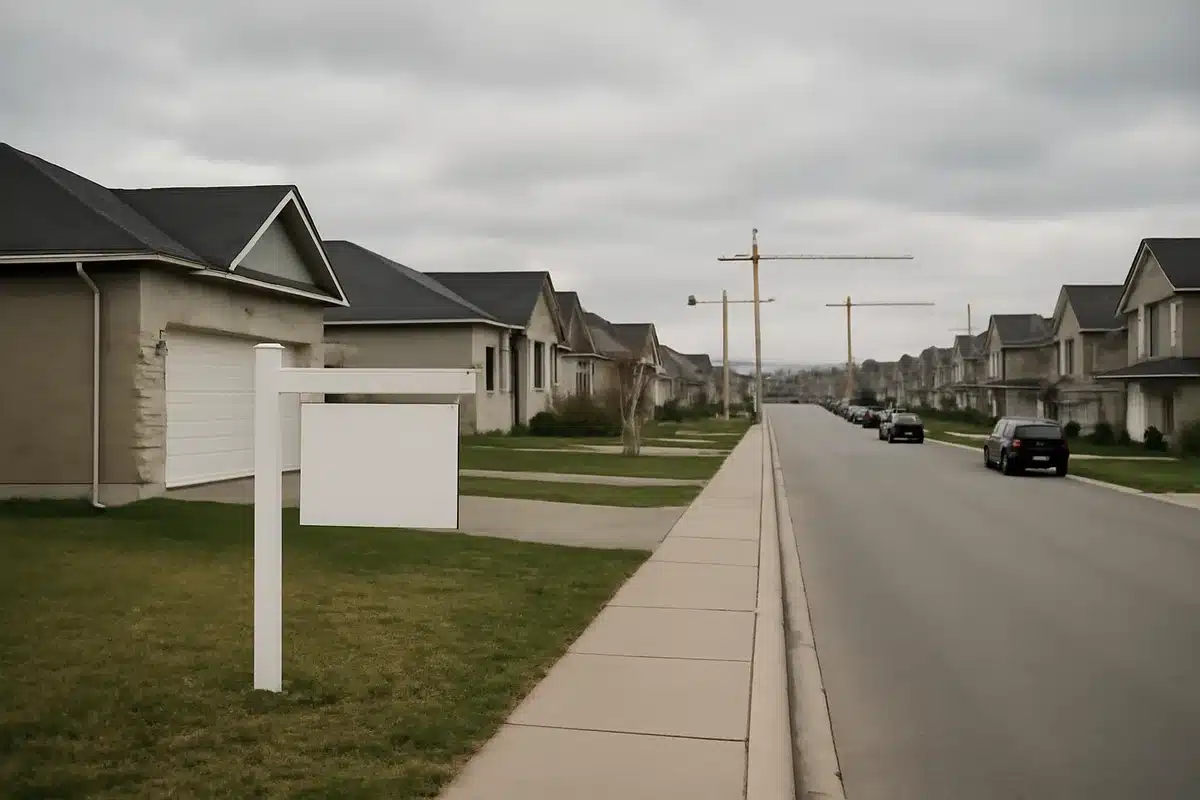
Housing costs have climbed sharply. The median sales price for a home moved from about $295,800 in 2023 to roughly $348,700 in 2025 — an increase of nearly $53,000. That jump has pushed monthly mortgage payments higher by about $200 compared with two years ago.

Renters faced higher bills as well. The average monthly rent in the county is now $1,160, an increase of about $117 since 2023.
Part of the pressure stems from tighter supply. Vacancy rates have fallen from 6.7% in 2023 to 5.2% in 2025, and the number of residential building permits issued dropped sharply over the period — from 1,163 permits in 2023 to 556 in 2025, with 2024 particularly slow at 287 permits. Fewer new units and rising demand are likely contributors to the upward price pressure.
- Population (2025): 101,783
- Net migration (2025): ~580 people
- Median home price: ~$348,700 (2025)
- Average rent: $1,160/month (2025)
- Vacancy rate: 5.2% (2025)
- Residential permits: 1,163 (2023) → 556 (2025)
Agriculture sees softer returns
Farming and ranching showed signs of strain in 2025. While net farm income held roughly steady in recent years, the year-to-year average dropped significantly — farmers earned about $3,245 less on average in 2025 than they did in 2024. That decline may tighten margins for producers across the county.
Sales tax picture: construction outpacing energy
One of the most notable structural shifts in the county’s economy is how sales-tax receipts are being generated. Construction activity has surged as large industrial projects move forward in the Cheyenne area, boosting 4% sales and use tax collections from construction to about $7,065,420 in 2025, up from roughly $2,887,542 the prior year.
Conversely, receipts tied to the energy, mining and quarrying sector have fallen sharply. Where energy-related sales taxes previously accounted for a larger share, that segment generated only about $3,762,714 in 2025 — under 3% of total collections — compared with much higher amounts in earlier years. The shift reduces the county’s reliance on extraction industries and increases dependence on construction-related economic activity.
For residents and local officials, the changing mix of revenue sources matters for budgeting and long-term planning. Construction-driven receipts can be volatile and project-dependent, while declines in energy-related sales tax may affect funding tied to that industry.
What to watch next: whether housing supply responds to rising prices; whether migration continues to add residents at current rates; and how sustained the construction boom will be relative to energy and agricultural trends. The Wyoming Economic Analysis Division’s county profile provides the detailed figures behind these trends for anyone tracking local policy and market developments.