Show summary Hide summary
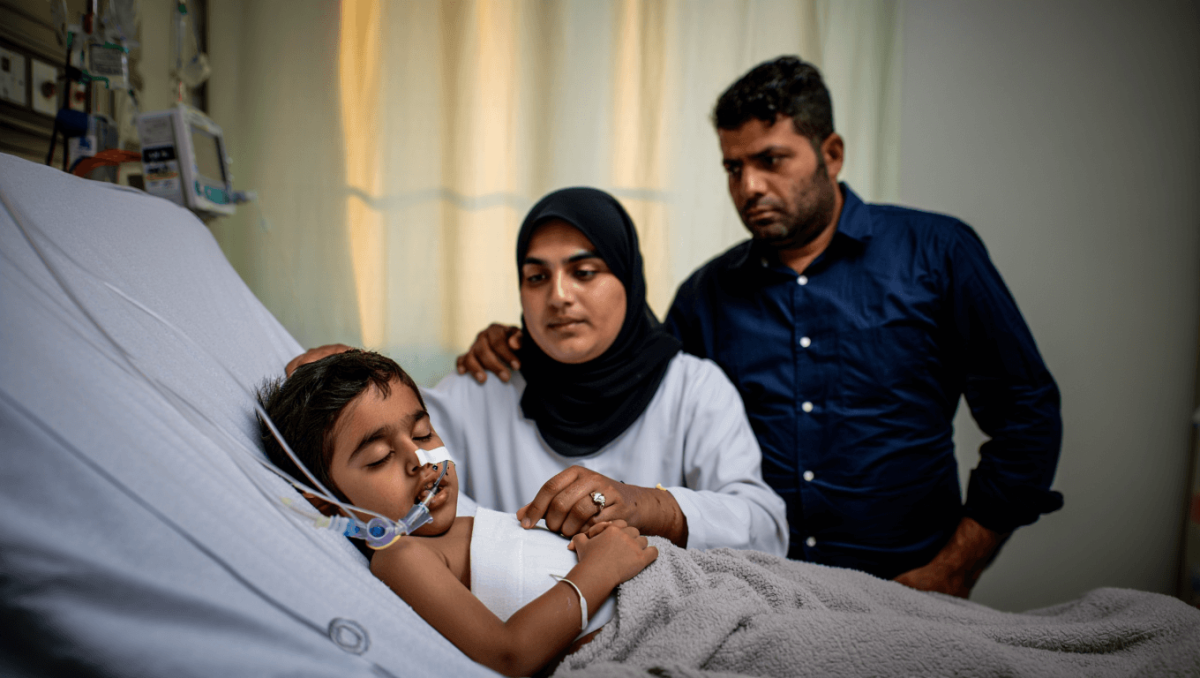
As more children live longer with complex medical conditions, specialized care centers have become a lifeline for families navigating relentless hospital visits, medication regimens and emotional strain. Today those centers are being reshaped by staffing shortages, payer pressures and an expanding role for home-based and community care—changes that directly affect how children and their families get treatment and support.
Inside these facilities, clinical work is paired with practical help: clinicians manage symptoms and treatments while social workers, therapists and family navigators address daily logistics, school needs and long-term planning. The result is care that treats the child’s medical needs and the family’s capacity to cope.
What the centers provide
Services vary, but most centers offer a mix of medical, rehabilitative and psychosocial supports. A typical care pathway includes ongoing symptom management, coordination with primary and specialty providers, and programs that support siblings and caregivers.
Boxing champions ditch long runs for high-intensity training: new era in fight prep
Czech nationals among victims of Pinedale-area crash: two confirmed dead
- Medical management: regular assessments, medication oversight and complex-device support.
- Care coordination: a single point of contact to navigate appointments, insurance and community resources.
- Respite and family support: short-term relief for caregivers and counseling to reduce burnout.
- Therapies: physical, occupational and speech therapy tuned to developmental goals.
- Transition planning: preparing adolescents and families for adult services and independence where possible.
Who you’ll meet there
The team is multidisciplinary by design. Pediatricians, nurses and specialists are central, but equally important are professionals who focus on daily life—social workers who help with benefits and schooling, therapists who promote function, and care navigators who prevent fragmented care from overwhelming families.
That blend matters because medical advances have increased survival for many conditions, which means long-term coordination replaces episodic treatment. When teams communicate effectively, families report fewer emergency visits and a steadier home routine.
Immediate challenges and why they matter now
Two trends are pushing these centers into the spotlight. First, workforce shortages in nursing and pediatric specialty fields make consistent staffing difficult, affecting access and continuity. Second, changes in reimbursement and a stronger push toward outpatient and home-based care are forcing centers to rethink which services are hospital-based and which can be delivered in the community.
For families, that translates into uncertainty about where care will be provided, how it will be paid for, and who will coordinate complex treatment plans. For health systems, the stakes are both clinical and financial: better-coordinated care can reduce hospital readmissions and ease intensive-care burdens, but only if centers have stable funding and workforce support.
| Service | What it achieves | Most affected |
|---|---|---|
| Symptom clinics | Reduce pain and distress through targeted medical plans | Children with chronic, progressive illnesses |
| Care coordination | Simplify appointments, paperwork and therapy scheduling | Families juggling multiple specialists |
| Respite programs | Short-term relief to reduce caregiver burnout | Primary caregivers and siblings |
Practical implications for families
Finding a center that fits a child’s needs can change the trajectory of care. Early referral to a specialized program often means better symptom control, clearer care plans and fewer last-minute hospital trips. Families should expect to coordinate with primary care, seek a dedicated point person at the center, and ask how services will continue at home or through local providers.
Insurance coverage and eligibility rules remain common obstacles. Families may need help from social workers or patient advocates to navigate authorizations, durable medical equipment approvals and transportation assistance.
Where policy and practice intersect
Policymakers and health systems face decisions that will shape access: investing in workforce development, adjusting payment models to support multidisciplinary teams, and expanding community-based supports could make care centers more sustainable. Without those investments, centers risk offering fragmented services or narrowing their reach to only the most acute cases.
For clinicians and administrators, the current moment is a chance to rethink care delivery—integrating virtual visits, strengthening partnerships with schools and community agencies, and measuring outcomes that reflect family functioning as well as clinical markers.
For readers weighing options for a child with complex needs, the practical takeaway is clear: seek programs that emphasize both clinical expertise and sustained coordination, and prioritize teams that offer concrete support for daily life, not just episodic medical care.