Show summary Hide summary
Donald Trump has returned to the Supreme Court asking justices to intervene in disputes over mail voting rules just weeks before the midterm elections, a move that could reshape how ballots are collected and counted across multiple states. The filing seeks emergency relief from lower-court rulings that expanded access to mail ballots, raising immediate questions about voter access and election administration as officials prepare for a high-turnout contest.
What the petition asks the court to do
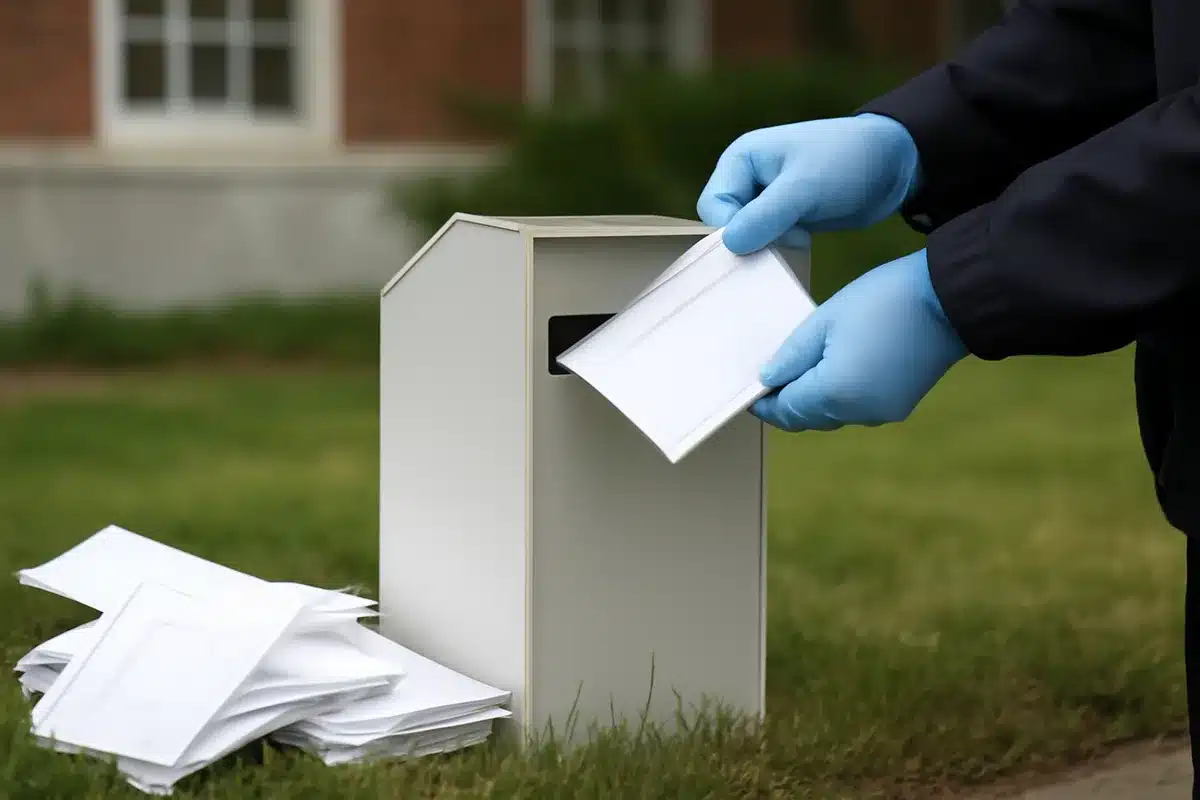
The filing requests that the Supreme Court step in and restore tighter controls on mail-ballot procedures while litigation continues. Among the measures targeted are restrictions on unattended drop boxes, limits on who may return another person’s ballot, and narrower deadlines or verification rules for ballots received by election officials.
Boxing champions ditch long runs for high-intensity training: new era in fight prep
Czech nationals among victims of Pinedale-area crash: two confirmed dead
Trump’s lawyers argue the changes are necessary to preserve uniform application of election law and to prevent what they describe as inconsistent practices across jurisdictions. Opponents have defended expanded mail voting as a legitimate measure to protect access and public health, and many state courts and election officials have rejected efforts to roll back those accommodations.
Why this matters now
With the midterm elections approaching, any immediate Supreme Court action could force election administrators to change procedures at short notice, increasing the risk of confusion at polling places and in mail processing centers. Courts that issue stays or nationwide rulings effectively set rules for large swaths of voters, while declines to act leave state-level decisions intact.

The stakes are practical as well as political: sudden rule changes can complicate ballot collection, slow the counting process, and spark last-minute legal challenges that consume local resources. Voters who plan to use the mail system may find themselves unsure which procedures apply in their county.
How the court could respond—and what each outcome would mean
- Decline to intervene — Lower-court rulings stand and current mail-voting practices continue; limited immediate disruption for election officials.
- Grant emergency relief or a stay — Targeted restrictions could take effect quickly, forcing administrators to change procedures and potentially altering how many ballots are accepted or counted.
- Take the case for full review — A longer process that could produce a precedent shaping mail-voting rules nationally or affirming state-by-state discretion, but likely after the upcoming election.
Any decision would ripple beyond a single case. A narrow ruling might only affect particular practices in a few states; a broad ruling could establish new federal limits on how states manage mail ballots and drop boxes.
Context and precedent
Election-related litigation has been a recurring feature of recent cycles. Federal and state courts have offered divergent rulings on mail-voting accommodations, leaving the Supreme Court as the ultimate arbiter when parties seek nationwide clarity or emergency relief. Historically, the court has been cautious about intervening immediately before elections but has stepped in when asked to resolve conflicts that cut across state lines.
Election officials say the piecemeal litigation and potential for last-minute changes drive administrative strain. Voter advocates warn that abrupt restrictions can inhibit participation, particularly among communities that rely on mail voting because of mobility, work schedules, or health concerns.
What voters and officials should watch next
- Whether the Supreme Court agrees to hear the petition or issues a temporary stay.
- Which jurisdictions would be affected — the court can tailor relief to specific states or order broader changes.
- Guidance from state election offices on ballot return options and deadlines, which may be updated if the court acts.
For now, election administrators are monitoring the filing closely and preparing contingency plans. Lawyers on both sides say additional briefs and emergency hearings are possible in the coming days, leaving the legal landscape subject to rapid shifts that could alter voting mechanics before ballots are cast and counted.