Show summary Hide summary
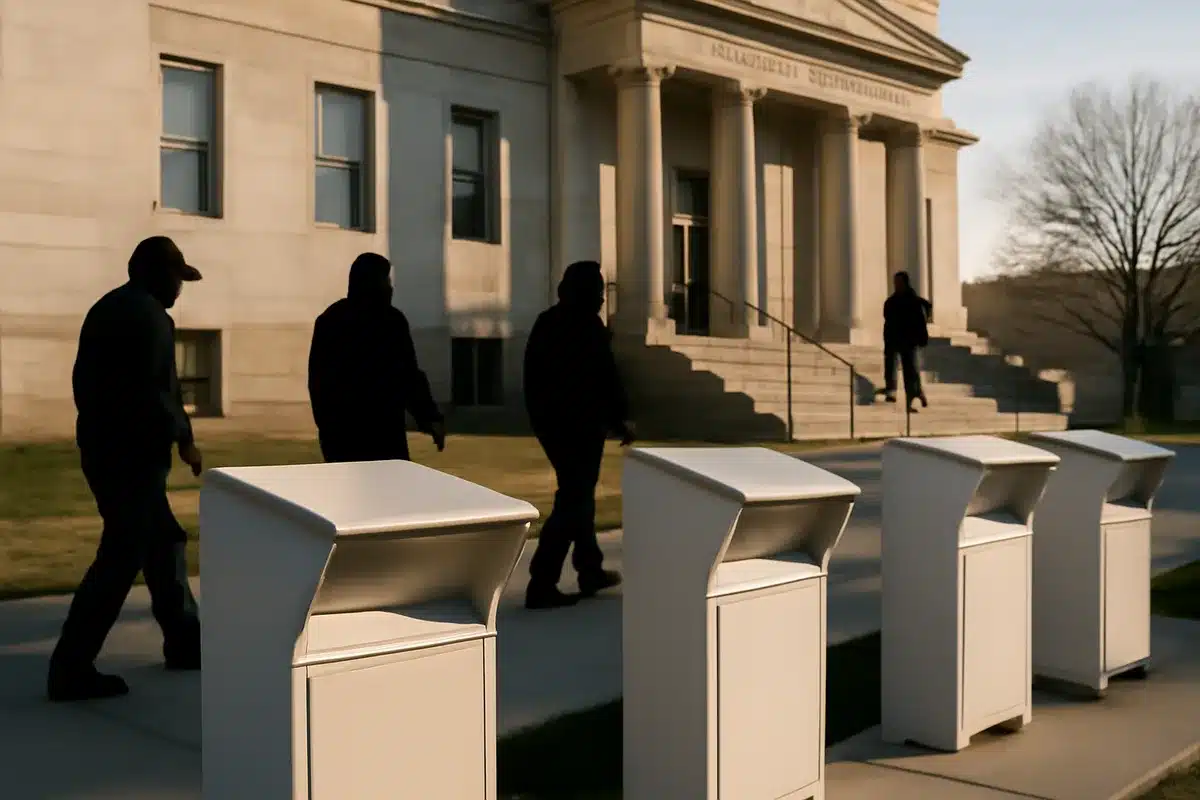
More than half of Wyoming’s registered voters participated in the recent primary, but measured against the state’s full voting-age population the picture is much bleaker — a gap that reshapes how policymakers and parties interpret the mandate from voters and the stakes of intra-party fights.
Two ways to read turnout
State election records show 150,359 ballots were cast out of 273,705 registered voters, a turnout of about 54.9%. That level is roughly in line with several recent primaries, and slightly higher than the 2024 primary.
When turnout is compared to Wyoming’s estimated voting-age population of 454,508, however, participation falls to roughly 33%. By that measure, the primary sits between 2024’s low (about 27%) and 2022’s unusually high primary participation (around 40.8%).
Boxing champions ditch long runs for high-intensity training: new era in fight prep
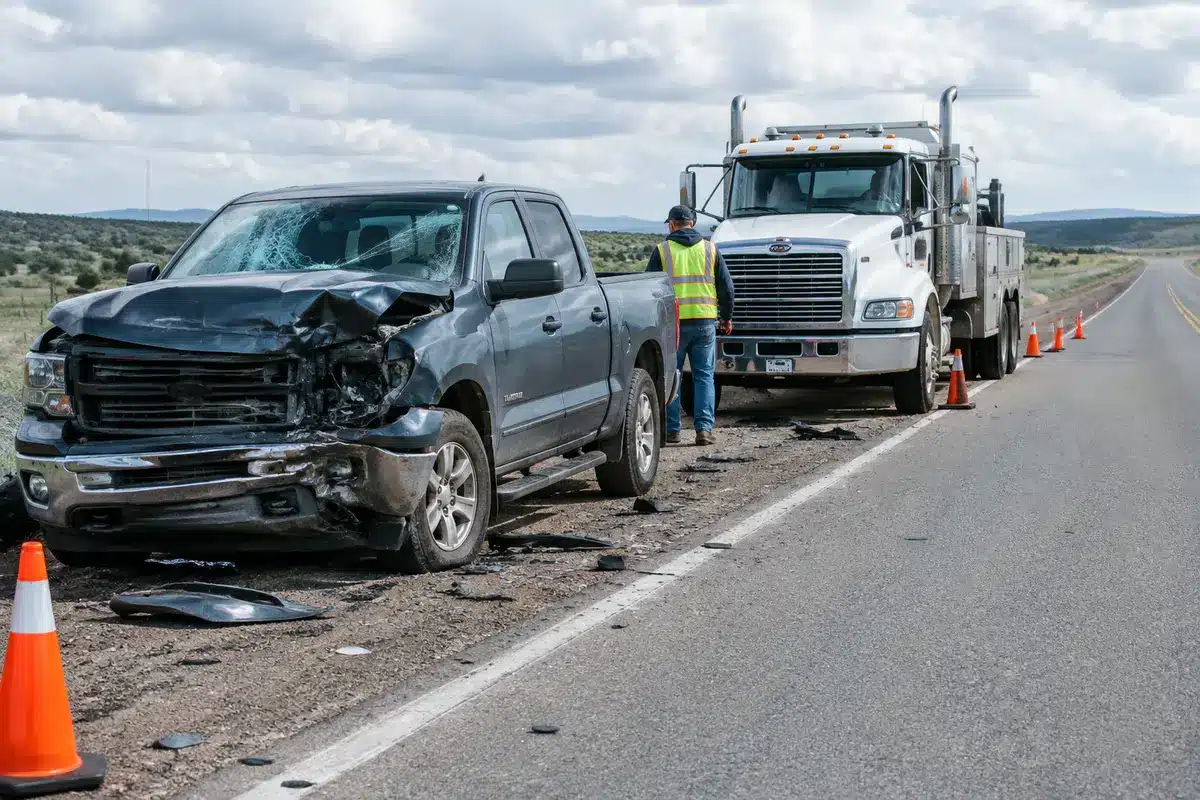
Czech nationals among victims of Pinedale-area crash: two confirmed dead
- Registered voters: 273,705
- Ballots cast: 150,359
- Turnout (registered voters): 54.9%
- Turnout (voting-age population): ~33%
- Party split of ballots: 88% Republican, 9% Democratic
Where the votes came from
The raw ballot totals tracked population centers: Laramie County led with 23,325 ballots, followed by Natrona County with 17,744. But turnout rates varied sharply by county type.

Smaller, heavily Republican counties reported the highest participation among registered voters. Niobrara, Hot Springs and Crook counties each produced turnout rates near or above 68%. By contrast, counties with larger Democratic rolls — notably Teton and Albany — reported some of the lowest participation rates, with Carbon County also on the low end.
Why this matters locally
Those geographic patterns mean primary results reflect not just party affiliation but the uneven mobilization of voters across communities — a factor that can amplify the influence of less-populated, more partisan counties on nomination fights.
Crossover voting and registration shifts
Attention has focused on whether voters switched party registration to take part in contested Republican races. Registration snapshots show increases in GOP rolls and declines in Democratic rolls in some counties, but electoral administrators warn that simple head counts don’t prove deliberate party-switching for tactical reasons.
For example, Albany County’s Republican registrations rose from 10,702 in January to 11,130 by August 1 — a gain of 428 — while Democratic registrations dropped by 281 in the same period. Those net changes can reflect new voters, people moving out of state, deaths and routine churn as well as intentional party changes.
Still, policy changes made by the legislature have aimed explicitly at limiting last-minute party switching. A 2023 law shortened the early and absentee voting window from 45 days to 28 and required voters to change party affiliation before candidates begin filing for office.
How the primary reshaped intra-party dynamics
Registered Republicans cast roughly 132,705 of the ballots in this primary, and contested races highlighted a split between establishment and hard-line factions. Voters interviewed at polling places offered blunt reasoning: some said they were choosing candidates they felt were reliably conservative, while others described their choices as opting for the least objectionable alternatives.
The fallout at the ballot box did not produce a wholesale shift for the Freedom Caucus-aligned bloc. Although that faction had taken control of the State House in 2025, it saw a net setback in this primary cycle — losing a number of incumbent seats and failing to capture key statewide nominations, including the GOP nod for governor.
Those results could slow efforts by the party’s most hard-line elements to reshape state policy quickly, while leaving open how narrowly won primaries will affect general-election dynamics in the months ahead.
Bottom line
Measured against registered voters, Wyoming’s primary showed robust participation, but using the broader voting-age benchmark reveals limited engagement. That gap, combined with the uneven geographic turnout and recent election law changes, will shape how political leaders and analysts interpret the mandate from this primary and plan for the general election.
This article was originally published by WyoFile and is republished here with permission.