Show summary Hide summary
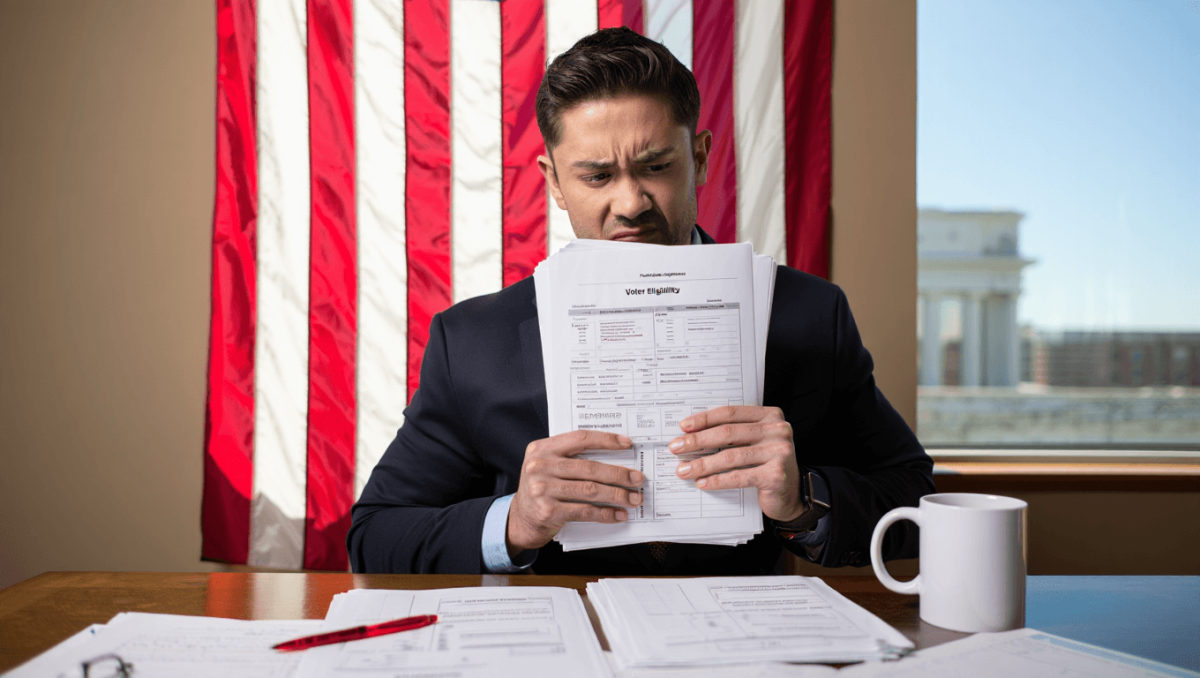
The Justice Department and FEMA have stepped up pressure on state election offices, warning of criminal liability and the potential loss of federal grant money if officials do not take specific steps to verify voter eligibility. The moves come amid a flurry of federal actions that courts have often blocked, and they arrive as the nation approaches high-stakes midterm contests.
DOJ letters threaten prosecution over registration errors
This week the Civil Rights Division of the Justice Department sent letters to secretaries of state and other election administrators in all 50 states and Washington, D.C., saying officials could face criminal charges if they knowingly allow ineligible individuals to register or vote.
Boxing champions ditch long runs for high-intensity training: new era in fight prep
Czech nationals among victims of Pinedale-area crash: two confirmed dead
Recipients were asked to confirm within days how they plan to comply with federal law. Legal scholars say the notice largely reiterates existing statutes but that some states may treat it as a political escalation from the federal government.
Rick Hasen, a UCLA law professor who studies election law, described the campaign as an attempt to influence how state and local jurisdictions run elections and, he said, to erode confidence in the process even where there is no evidence of widespread problems.
Antiterrorism grant rules link funding to election changes
A separate development came in June, when the Federal Emergency Management Agency rolled out conditions for an antiterrorism grant program that covers more than $1 billion for states, tribes and localities. The announcement ties a portion of grant awards to compliance with election-related requirements.
- Funding holdback: FEMA said up to 20% of certain grants could be withheld until jurisdictions meet specified election-security conditions.
- Voter citizenship verification: States would be expected to confirm the citizenship status of registered voters and some election workers.
- Audit and paper-ballot plans: Jurisdictions using electronic systems that rely on bar codes or QR codes must present a transition plan to hand-marked paper ballots and demonstrate post-election auditing procedures.
- Program scope: The grants are aimed broadly at protecting crowded places, border security and online threats, with election infrastructure listed as a national-security priority.
Election experts warn that some of these requirements would be difficult or impossible to meet on short notice. Changes such as switching voting systems or requiring new audits often need action by state legislatures and months of procurement and testing.
State responses reflect partisan divide
Reaction from state officials has split largely along party lines. In some Democratic-led states, officials dismissed the federal warnings as based on flimsy evidence and said their systems are secure. In states led by Republicans, officials have generally welcomed the reminders as reinforcement of legal duties to maintain accurate rolls.
For example, Oregon’s top elections official said the state won’t be swayed by threats that lack supporting proof, while Michigan’s secretary of state noted her office has repeatedly shared relevant records with federal authorities. Ohio’s Republican secretary of state defended the Justice Department’s notice as a useful reminder about legal obligations, and Georgia’s election office said it already has taken many of the steps FEMA references, including a citizenship audit of voter rolls.
Federal courts have pushed back before
These federal efforts are not new. In recent months courts have rejected several attempts by the Justice Department to obtain detailed voter data from states and to advance other election-related initiatives. Legal challenges over access to registration files and proposed rules on mail voting have repeatedly stalled in the courts, and federal judges have rebuffed similar requests in more than a dozen cases involving multiple states and the District of Columbia.
The pattern of judicial defeats has limited the federal government’s ability to impose uniform election procedures and underscores the constitutional role states play in running elections.
Legal analysts say the current campaign — combining threats of prosecution with grant conditions — may be as much about shaping public debate and sowing doubt as it is about securing votes. Robert Weiner, who runs a voting-rights initiative at a civil-rights legal group, noted that confirmed cases of noncitizen voting are extremely rare and questioned the motive behind the federal push.
What this means for voters and officials
- Short-term disruption: States that try to comply quickly could face logistical and legal hurdles, potentially affecting election preparation.
- Federal-state tension: Continued federal pressure may prompt more lawsuits and deepen partisan divides over election administration.
- Voter confidence at risk: Public notices and high-profile disputes could reduce trust in election outcomes even where systems function properly.
- Legislative implications: Some proposed changes would require new state laws, producing another arena for political battles ahead of the elections.
The coming weeks are likely to bring more exchanges between federal agencies and state election officials, and possibly additional legal challenges. For voters, the immediate consequence is less about new rules and more about the possibility of heightened controversy and confusion as election season approaches.