Show summary Hide summary
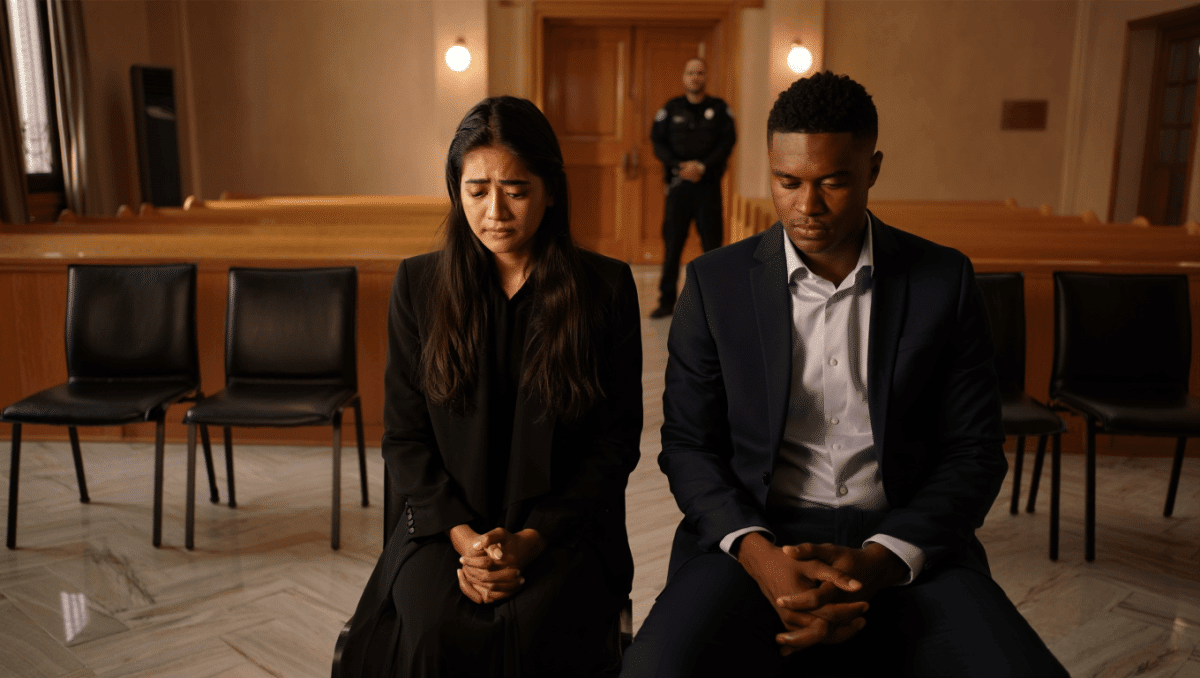
A federal judge has cleared the way for a wrongful-death lawsuit after family members say San Diego-area deputies took a 29-year-old man to jail instead of returning him to a hospital for urgent care — and he died hours later. The ruling, issued last week, keeps alive allegations that deputies ignored medical instructions and used force that contributed to the man’s death.
According to the complaint, the incident began when paramedics and Carlsbad police brought Abdul Kamara to Scripps Memorial Hospital in Encinitas on March 3, 2024, concerned about his physical and mental state. Kamara left the emergency department before evaluation was complete and hospital staff alerted law enforcement to locate and return him for a medical assessment.
What the family alleges
Boxing champions ditch long runs for high-intensity training: new era in fight prep
Czech nationals among victims of Pinedale-area crash: two confirmed dead
The lawsuit filed by Kamara’s relatives says deputies found him about a mile from the hospital at a gas station acting confused, without shoes and wearing a hospital wristband. Hospital clinicians reportedly told officers to place Kamara on a medical hold and bring him back for evaluation because he appeared paranoid and unable to care for himself.
Instead, the complaint says, deputies arrested Kamara on a misdemeanor charge of being under the influence, booked him into the Vista Detention Facility, and did not transport him back to Scripps as requested. Family attorneys contend deputies had no information that Kamara had committed a crime or had outstanding warrants when they took him into custody.
- Time and place: March 3, 2024; Scripps Memorial ER in Encinitas and a Valero station in Cardiff.
- Medical data: Hospital staff recorded a blood pressure reading of 181/116 when Kamara left the ER.
- Use of force: The complaint says six officers applied downward force for roughly seven minutes and later used a WRAP restraint device.
- Cause of death: The medical examiner cited complications of resuscitated cardiopulmonary arrest due to acute methamphetamine intoxication, with sickle cell anemia listed as a contributing factor.
- Legal status: The San Diego County District Attorney declined to file criminal charges against the officers; a federal judge denied the county’s motion to dismiss the civil suit.
Medical questions and use-of-force claims
Family lawyers argue deputies never sought a medical evaluation for Kamara while he was in custody, despite reports of visible injury and the presence of medical staff at the detention facility. The complaint alleges his head was severely injured, resulting in a subarachnoid hemorrhage, and that officers left him lying on the ground rather than positioning him upright or calling for help.
The county’s incident report cited by prosecutors says Kamara became agitated in custody — screaming, kicking and flailing — and that officers restrained him to prevent self-harm or injury to others. The district attorney ultimately concluded the law enforcement response did not constitute unreasonable or excessive force and declined to pursue criminal charges.
But U.S. District Judge Anthony Battaglia found the family’s pleadings detailed enough to proceed, saying the complaint raised plausible claims that deputies’ decisions and conduct contributed to Kamara’s death.
Why the case matters now
This litigation underscores a broader tension between emergency medical protocols and law enforcement responses to individuals experiencing mental health crises or drug intoxication. The family’s suit centers on whether deputies honored medical directives and whether the tactics used at the jail were medically appropriate given Kamara’s condition.
Policy advocates and legal observers will be watching whether the case changes how deputies handle similar situations — particularly where hospitals request a patient be returned for evaluation. The outcome could affect training, custody procedures, and collaboration between hospitals and law enforcement across the county.
The sheriff’s office told the family’s lawyers and the court it cannot comment while the matter is pending. The civil case will now move forward through discovery, where both sides will have the opportunity to gather medical records, body-camera footage, and testimony.