
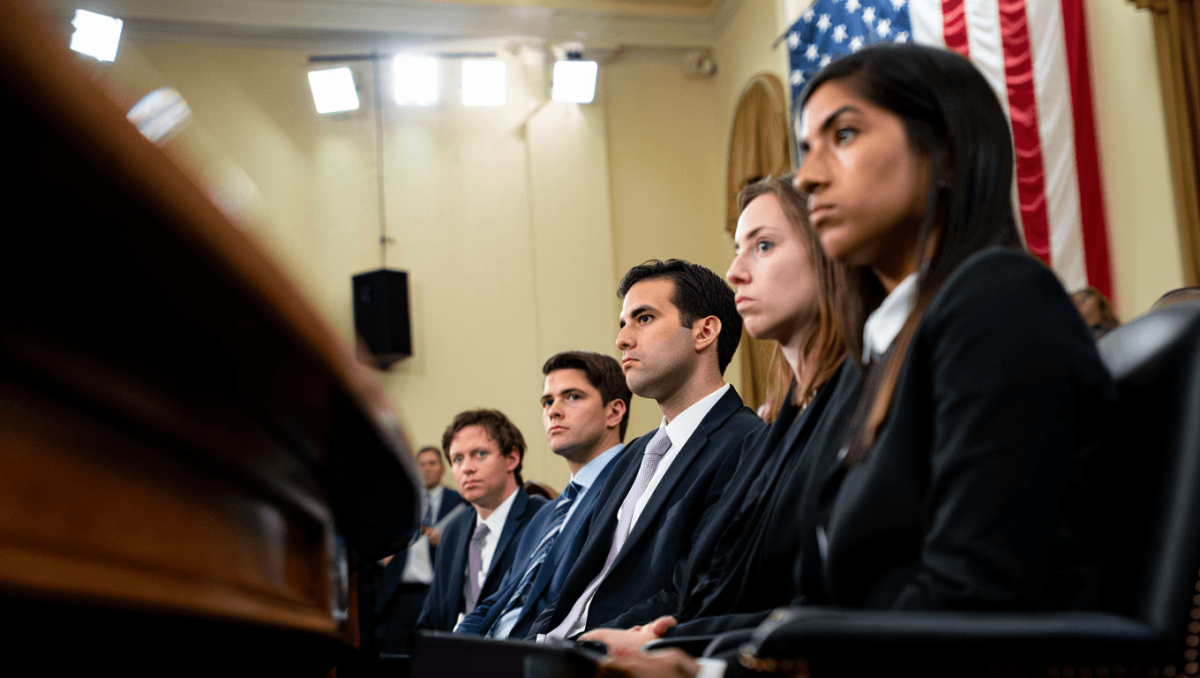
Top executives from the biggest social platforms have been summoned back to Capitol Hill as courts, lawmakers and families push for tougher safeguards for children online. The June 23 hearing arrives amid mounting legal rulings and potential new laws that could reshape how social networks operate and moderate content for young users.
The Senate Judiciary Committee has invited the chief executives of Meta, Alphabet/Google (which owns YouTube), TikTok and Snap to testify at a session titled “Examining Tech Industry Practices and the Implications for Users and Families: Is This Social Media’s Big Tobacco Moment?” Committee officials confirmed the date; invitations were sent to Mark Zuckerberg, Sundar Pichai, Shou Zi Chew and Evan Spiegel.
Lawmakers previously questioned platform leaders in January 2024 about youth safety and exploitation online. Since then, advocates say momentum has accelerated as lawsuits move toward trial, state and federal proposals seek new regulation, and families of victims press for accountability.
Boxing champions ditch long runs for high-intensity training: new era in fight prep
Czech nationals among victims of Pinedale-area crash: two confirmed dead
“People are losing faith that executives prioritize safety,” said Sacha Haworth, director of the Tech Oversight Project, calling recent developments a sign that scrutiny is intensifying. Her group and others argue that product design and content policies have contributed to harm among children and teens.
Recent court decisions have added pressure. In March, juries found that certain platforms contributed to harm to young users, and at least one major case resulted in findings that a company mismanaged or obscured the risks of child sexual exploitation on its services. Other defendants reached settlements rather than face full trials. Those outcomes are feeding congressional interest ahead of the June hearing.
- Mark Zuckerberg — Meta: Central questions about algorithmic design and whether features prioritize engagement over child safety.
- Sundar Pichai — Alphabet/Google: Scrutiny over YouTube’s impact on young audiences and content moderation practices.
- Shou Zi Chew — TikTok: Focus on short-form content, addictive design elements, and data practices for minors.
- Evan Spiegel — Snap: Questions about private messaging tools and protections against predatory behavior.
On Wednesday, a Senate subcommittee heard accounts from parents, researchers and advocates about the real-world consequences of social platforms for children and families. Sen. Dick Durbin urged his colleagues to reconvene the CEOs and demand answers about what has — or has not — changed since earlier hearings.
The choice of date for the hearing is symbolic for some advocates. Senators Amy Klobuchar and Marsha Blackburn introduced a resolution seeking to make June 23 Social Media Harms Victim Remembrance Day, calling attention to families who link the deaths of their children to online harms. Two mothers leading that initiative lost sons on June 23: one to suicide following cyberbullying and another to an illegal drug sale arranged via social messaging.
What happens after the hearing could have wide ripple effects. Possible outcomes range from fresh legislative proposals and strengthened content rules to settlements in pending lawsuits and voluntary platform changes. For parents and policymakers alike, the hearing will be a moment to assess whether current industry practices can be reconciled with new demands for safety and transparency.