Show summary Hide summary
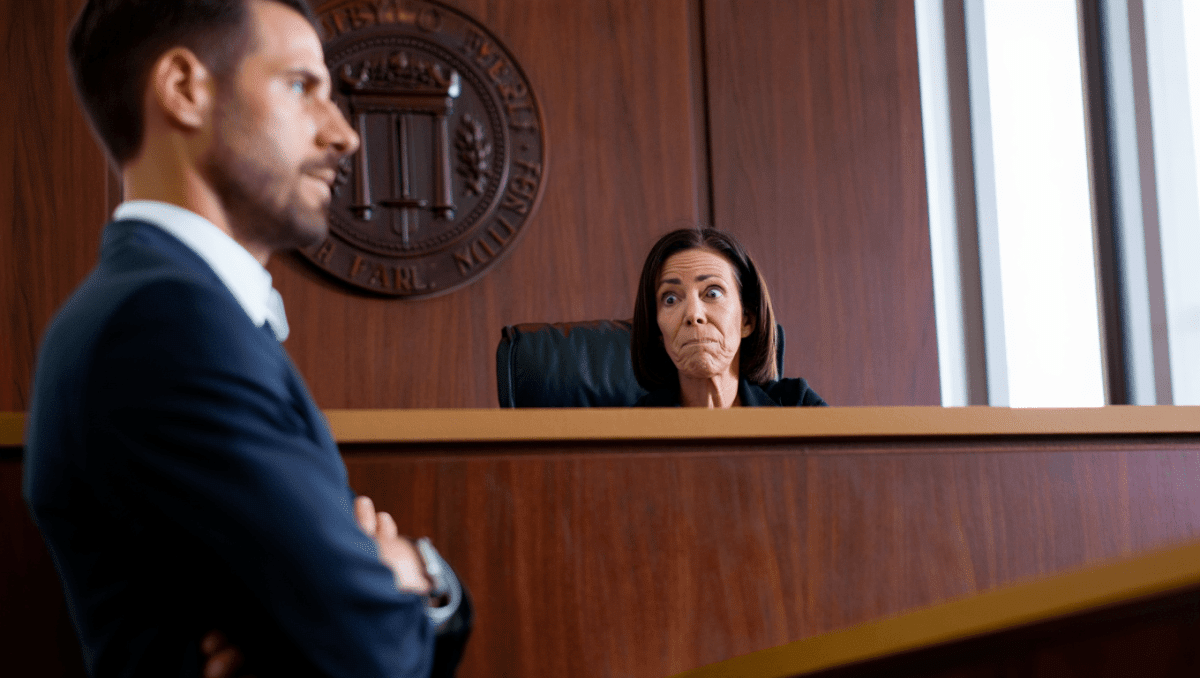
A judge at a recent court hearing expressed surprise when counsel for Pete Hegseth declined to answer a seemingly straightforward yes-or-no question, an exchange that quickly drew attention online and raised sharper questions about legal strategy and courtroom transparency. The moment underscored the tension between careful lawyering and the judge’s expectation of clear factual answers on the record.
Video and the hearing transcript show the judge pressing for a direct response; the attorney, citing caution, stopped short of an affirmative. The short, awkward exchange lasted only moments, but legal observers say it illuminates why lawyers sometimes avoid binary answers in public proceedings.
Why an attorney might refuse a simple “yes”
Counsel often faces competing duties — to protect a client’s legal position, preserve privileges, and avoid creating new liabilities. Refusing a single-word answer can reflect any of several legitimate concerns.
Boxing champions ditch long runs for high-intensity training: new era in fight prep
Czech nationals among victims of Pinedale-area crash: two confirmed dead
- Risk of waiver: A plain yes can unintentionally concede facts that opponents will use later.
- Incomplete information: Counsel may not have verified facts at hand and prefer to avoid misstating the record.
- Privilege and self-protection: Answering could expose privileged communications or create exposure under investigation.
- Strategic timing: Lawyers sometimes defer clear answers until discovery is complete or until the client has reviewed documents.
- Conflicting instructions: The client may have given instructions that prevent an immediate admission.
None of these reasons are unusual, but they do clash with a judge’s need for precision. In tighter proceedings, repeated evasions can prompt a judge to demand a direct response, impose curbs on testimony, or — in rare cases — consider sanctions.
Courtroom dynamics and the public stakes
The exchange matters beyond legal procedure. Hegseth is a public figure; moments like this are amplified by media coverage and social video, shaping public impressions even before a case resolves. For the judge, the priority is the integrity of the record; for the lawyer, the priority is protecting the client. Those priorities do not always align.
Legal commentators note two practical consequences to watch for:
- Whether the judge will require a clearer on-the-record answer at a future proceeding or in a written order.
- How opposing counsel will use the evasive answer in filings or to shape public narrative.
Observers also expect filings in the coming days may clarify why counsel chose not to answer directly. Courtroom transcripts and subsequent motions often reveal the underlying factual disputes that prompt lawyers to be cautious in open court.
For readers tracking this case, the exchange is a reminder that courtroom etiquette and legal strategy can produce moments that seem puzzling without the full procedural context. The judge’s surprise captured attention, but the legal calculus behind a lawyer’s measured response is typically more complex than a single word on the record.