Show summary Hide summary
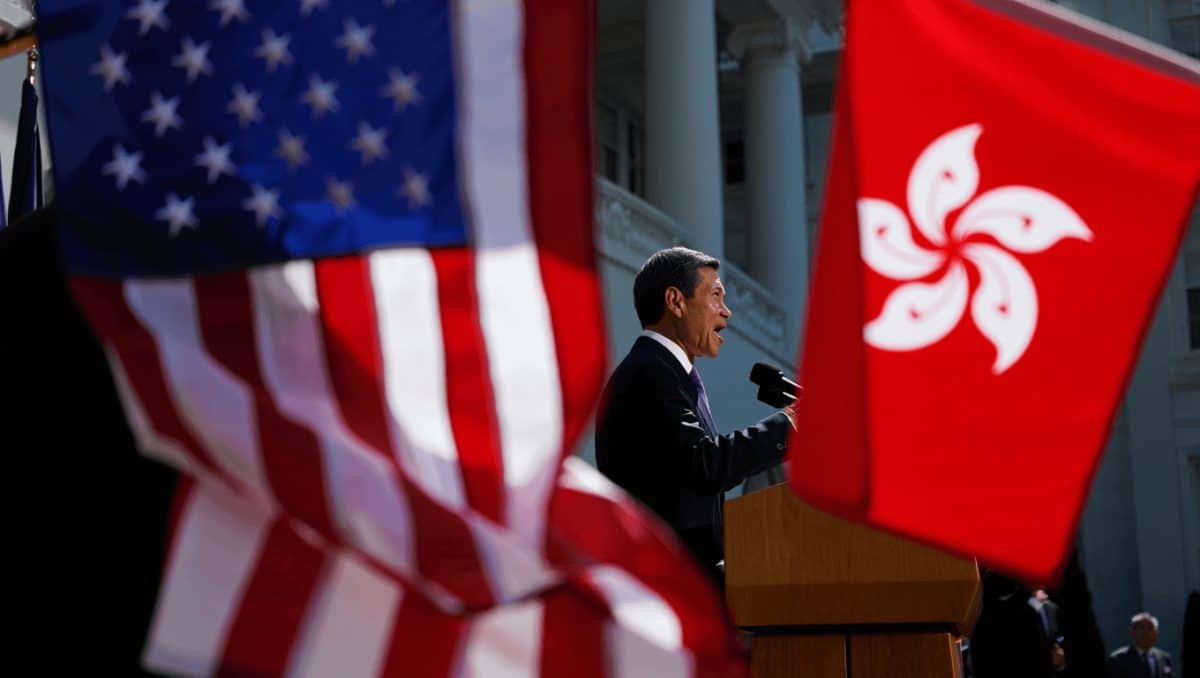
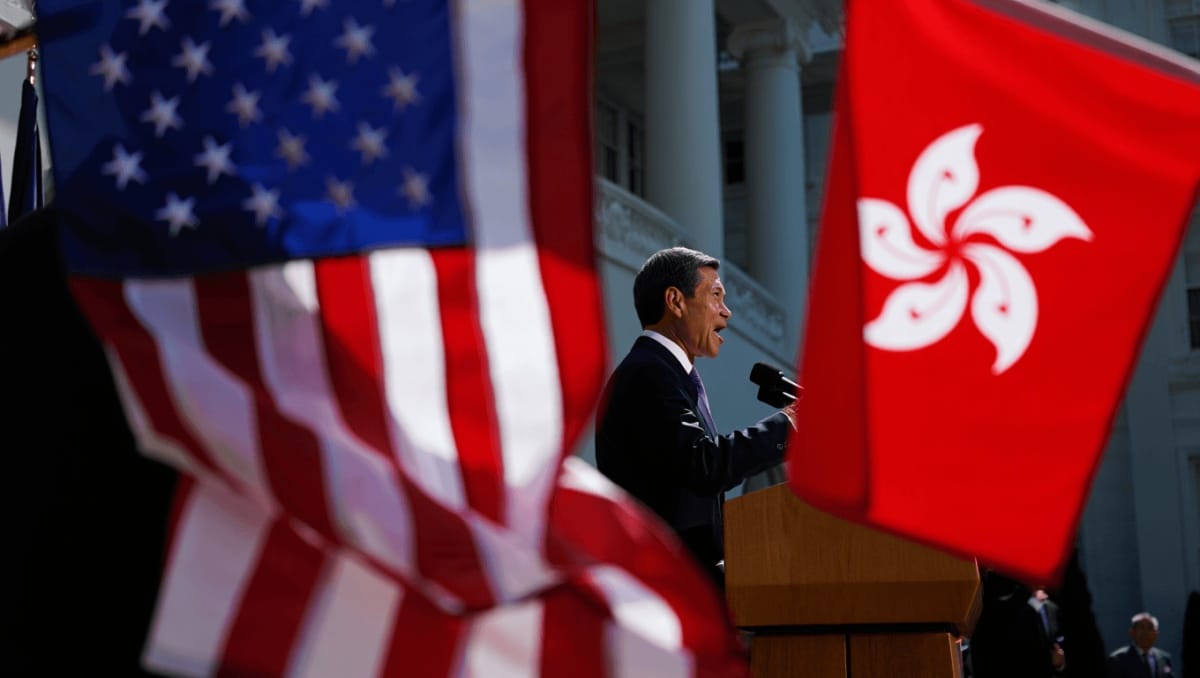
The United States has allowed the national emergency tied to Hong Kong to expire, a move that ends one set of sanctions but leaves broader measures in place — including the executive order that stripped the city of special U.S. treatment. The change narrows the immediate legal tools Washington uses, yet significant restrictions remain, with practical consequences for business, diplomacy and activists in the city.
What changed — and what didn’t
Late Friday, the U.S. Treasury’s sanctions arm said the specific national emergency declared under Executive Order 13936 was not renewed and that a number of individuals were removed from the list tied to that declaration. At the same time, many of those same people were added to a different sanctions list under the Hong Kong Autonomy Act, meaning penalties continue for key figures.
US ends Hong Kong emergency powers, eases targeted sanctions: Trump-era order remains
OnlyFans scam siphons creators’ earnings: users say accounts were hijacked
- National emergency connected to EO 13936 was allowed to lapse.
- Some people were delisted from the sanctions list tied to that emergency; others were transferred to lists maintained under the Hong Kong Autonomy Act.
- Hong Kong leader John Lee and former chief executive Carrie Lam were removed from the first list but placed on the separate list tied to the autonomy act.
- According to a Treasury official, most people affected by the expiration—nearly 40 of 48—remain subject to sanctions under the other law.
Why the distinction matters
The White House clarified the move: while the national emergency declaration was not renewed, the executive order itself remains active. That means Washington continues to assert that Hong Kong no longer receives differential treatment compared with mainland China in certain areas of U.S. law and policy.
In practice, removing duplicative entries and consolidating sanctions can make administration easier, officials said, but it does not restore the special trading arrangements Hong Kong enjoyed before 2020. For companies and financial institutions, the shift mainly changes which specific legal authorities govern restrictions and compliance checks, rather than lifting broad economic limits.
Background: how we got here
In July 2020, then-President Donald Trump signed the executive order that curtailed Hong Kong’s preferential U.S. treatment after Beijing imposed a national security law in the city. Beijing defended the law as necessary to restore order following mass protests in 2019; critics say it eroded the civil liberties promised to Hong Kong after the 1997 handover.
Over the past six years, a number of pro-democracy activists and prominent critics have been detained or prosecuted under the security law. Observers say the legal and political environment for dissent in Hong Kong has tightened substantially.
Reactions from Beijing and Hong Kong
China’s commerce authorities welcomed the U.S. step as a positive development and said the move was consistent with agreements reached in bilateral economic talks. The Hong Kong government described the change as a sign of a “positive shift” in U.S. policy and urged the resumption of normal economic exchanges.
Both Beijing and Hong Kong framed the decision as an opportunity to stabilize relations and economic ties. Yet Beijing’s praise focused on the process — saying the U.S. had communicated its intentions — while Washington’s statement emphasized the remaining legal framework that treats Hong Kong less favorably than in the past.
Diplomatic context and next steps
The timing of the decision could influence broader U.S.-China engagement. U.S. officials said the consolidation of sanctions is intended to make enforcement more efficient, not to signal a wholesale policy reversal.
For businesses, the immediate takeaway is that due diligence and sanctions screening remain necessary: major restrictions tied to Hong Kong’s changed status are still in force, even if some listings were moved between lists. For activists and rights groups, the underlying concern persists — the U.S. stance still reflects a view that Hong Kong’s autonomy has been diminished.
Key implications for stakeholders:
- Financial institutions must continue sanctions screening under the Hong Kong Autonomy Act and related lists.
- Trade and visa policies tied to Hong Kong’s former preferential status are not automatically restored.
- Diplomatic signaling may improve temporarily, but substantive differences over human rights and legal autonomy remain.
Updated: This article was revised to clarify that the national emergency declaration was allowed to expire while the underlying executive order remains in effect. Previous reports misstated that the executive order itself had been fully terminated.