Show summary Hide summary
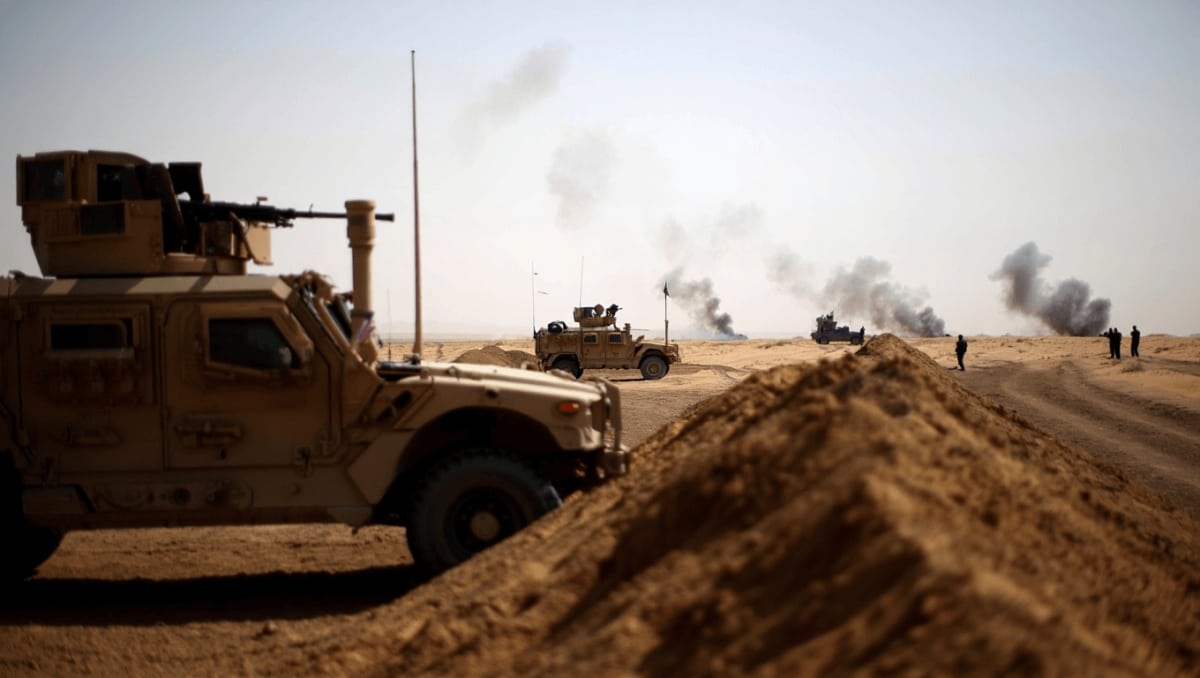
The United States carried out another series of airstrikes early Monday against Iranian-linked military sites after confirming an American service member died during operations in Iraq, while Tehran launched missiles that approached Israel — moves that risk drawing more countries into a widening regional conflict. The latest exchanges are disrupting shipping, pushing oil prices higher and threatening vital civilian infrastructure across the Middle East.
The U.S. Central Command said the strikes — part of a campaign now in its ninth consecutive night — struck a range of targets including command centers, air defenses, coastal surveillance and missile and drone launch sites. American officials said the action followed the recent deaths of U.S. personnel in the region; one service member was killed in Iraq during a controlled detonation of a downed Iranian drone.
Escalation across multiple fronts
Boxing champions ditch long runs for high-intensity training: new era in fight prep
Czech nationals among victims of Pinedale-area crash: two confirmed dead
Iran responded with missile launches directed at areas that put neighboring Israel at risk, according to regional militaries. Several Gulf states, including Bahrain, Jordan and Kuwait, activated air defenses to intercept incoming drones and missiles. Jordan reported shooting down multiple projectiles; there were no immediate reports of casualties.
A British statement said a ship caught fire in the Strait of Hormuz near Oman as the strikes began. The cause of the blaze remains under investigation; Tehran’s paramilitary Revolutionary Guard later claimed it had targeted tankers in the waterway, which remains central to global oil flows.
The military exchanges have included attacks on infrastructure that civilians depend on. Satellite imagery analysts and Iranian state media reported strikes at or near a site where Iran has been preparing a nuclear power plant — a facility the International Atomic Energy Agency previously described as being in very early construction with no nuclear material on site during its last inspection.
What this means for energy and shipping
- Oil markets: Benchmark Brent crude climbed above $90 a barrel, reflecting traders’ concern over supply disruptions if the Strait of Hormuz is further constrained.
- Shipping: Commercial traffic has slowed as vessels avoid routes close to Iranian waters; the U.S. has redirected some ships and reported disabling at least one vessel in an effort to enforce a naval blockade of Iranian ports.
- Regional services: Power plants, desalination sites and bridges have been struck or threatened, with governments warning of potential damage to civilian utilities used by millions.
Since the onset of the conflict, U.S. forces have lost multiple service members. American officials say 17 service members have died in the campaign so far; remains of one missing soldier were reported found and are under examination. Tehran has announced its own casualty figures, saying dozens of people were killed and hundreds wounded in recent U.S. strikes.
Diplomacy, but no ceasefire yet
Despite the fighting, U.S. leaders say they remain open to negotiations if Tehran shows seriousness. Secretary of State comments emphasized a willingness to talk, but added that any diplomatic path must be credible and concrete. At the same time, military operations and reprisals continue, suggesting diplomacy has not yet gained the upper hand.
Legal and humanitarian experts note that attacks on civilian infrastructure lose protected status if they are used for military purposes, but international law requires forces to limit harm to civilians and ensure proportionality — a standard that becomes harder to enforce as strikes multiply across populated regions.
Where things stand now
The fighting has spread beyond direct U.S.-Iran exchanges, drawing in Gulf partners and putting Israel on alert. The outcome remains unpredictable: a diplomatic window exists, yet military moves on both sides are expanding the conflict’s footprint and economic fallout.
- Immediate risks: Further strikes near the Strait of Hormuz, additional attacks on regional infrastructure, and inadvertent clashes involving third-party forces.
- Short-term impact: Continued volatility in oil markets, longer shipping delays, and greater hardship for civilians reliant on water and power systems.
- What to watch: Statements from Tehran and Washington about willingness to de-escalate; movements of coalition naval forces; and any credible, third-party diplomatic initiative to halt strikes.
Reporting from multiple regional capitals has confirmed the pattern of nightly strikes and counterstrikes, but independent verification of some damage and casualty claims remains limited. The situation is evolving rapidly and will likely affect global markets and regional security in the days ahead.