
Show summary Hide summary
A man has died after being shot by a neighbor who, according to police, mistook the person for a bear in near-darkness. The case has reopened familiar questions about the use of firearms at night, community safety and how law enforcement determines intent in fatal errors.
Authorities say the shooter fired multiple rounds after seeing movement outside his home and believing an animal threat was present. The victim succumbed to injuries at the scene and investigators have launched a criminal probe that will determine whether charges are warranted.
What the police have said so far
Boxing champions ditch long runs for high-intensity training: new era in fight prep
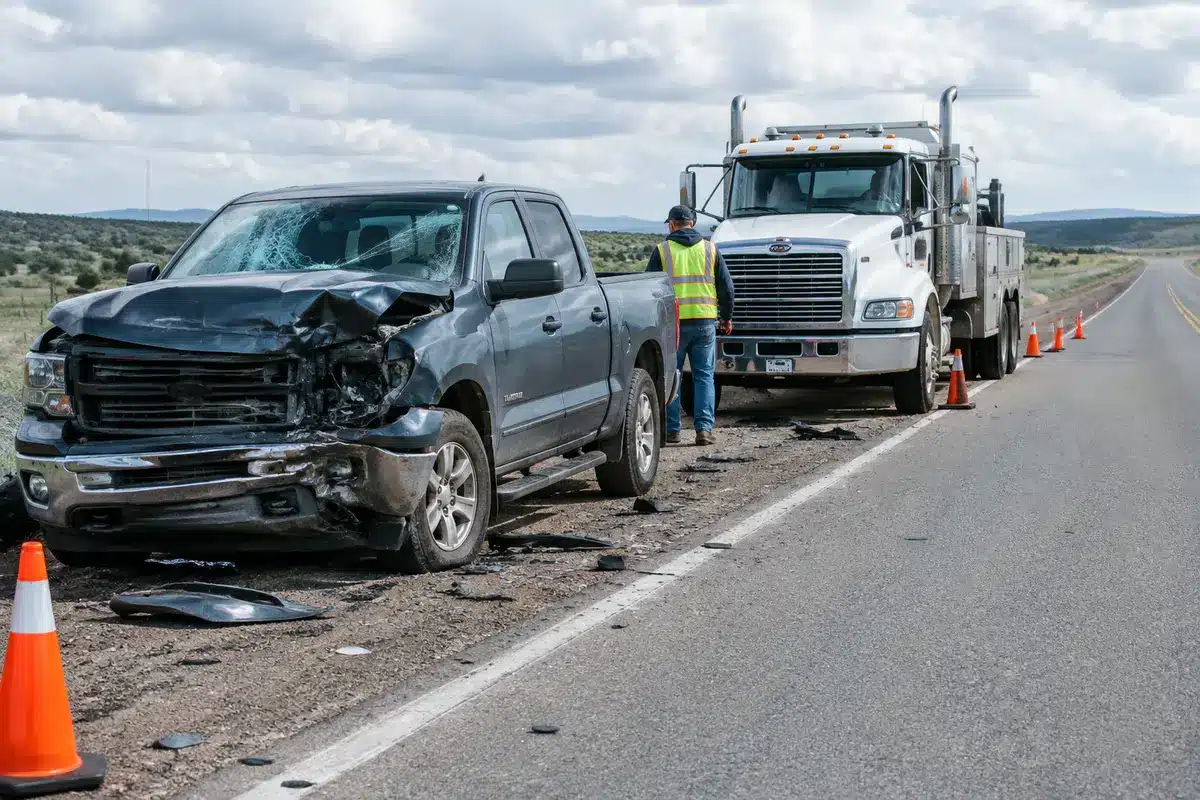
Czech nationals among victims of Pinedale-area crash: two confirmed dead
Officials released a brief statement describing the sequence: a resident reported seeing something in the yard and, without visual confirmation, discharged a firearm. Responding officers found the injured person and performed lifesaving measures, but the victim did not survive.
Police described the incident as a possible case of mistaken identity in low light and confirmed the shooter remains in custody while detectives collect evidence, interview witnesses and review ballistic and surveillance material.
- Incident type: Shooting after suspected animal sighting
- Outcome: One fatality
- Status: Active criminal investigation
- Investigative steps: Forensics, witness interviews, possible charges pending
Why this matters now
The episode underscores how quickly uncertainty at night can escalate into a fatal encounter. For communities and officials, it raises immediate policy and public-safety concerns: when is the use of deadly force legally and morally justified, and how can residents reduce the chance of tragic mistakes?
Local leaders often grapple with balancing residents’ right to protect their property against the risk of misidentification in poor lighting. This case will be watched closely for its legal outcome and any recommendations that follow for neighborhood safety, lighting, or community reporting practices.
Legal and practical context
Whether the shooter faces criminal charges will hinge on the specific evidence and the jurisdiction’s laws regarding self-defense, defense of property and the reasonableness of perceived threats. Investigators typically examine:
- Visibility and lighting conditions at the time of the shooting
- Whether the shooter had a reasonable belief that an immediate threat existed
- Forensic evidence such as bullet trajectories and distance
- Witness statements and any available video footage
Criminal outcomes in cases of misidentification vary widely. Some prosecutions proceed when authorities conclude the shooter’s belief was not objectively reasonable; other incidents do not lead to charges if officers find the use of force met local legal standards.
Community response and safety steps
Neighbors and local organizations frequently respond to such incidents by calling for clearer guidance on handling wildlife sightings and unknown movement after dark. Practical measures can reduce risk without impinging on legal rights:
- Install or improve outdoor lighting and motion-activated floodlights
- Use verbal warnings, noise or non-lethal deterrents before resorting to firearms
- Call local animal control or law enforcement to investigate suspicious movement
- Create neighborhood watch protocols that emphasize identification and restraint
The balance between preparedness and prudence is delicate. Residents with firearms are advised to refresh training on threat assessment and local laws governing use of force.
What to watch next
Investigators will likely release more details as forensic work and interviews progress. The key developments to follow are whether prosecutors file charges, what the coroner’s report finds, and whether the case prompts local policy changes regarding safety and public education.
For readers, the incident is a reminder of how quickly misperception in low-light conditions can produce irreversible consequences—and how prevention and caution remain essential in every community.