
Show summary Hide summary
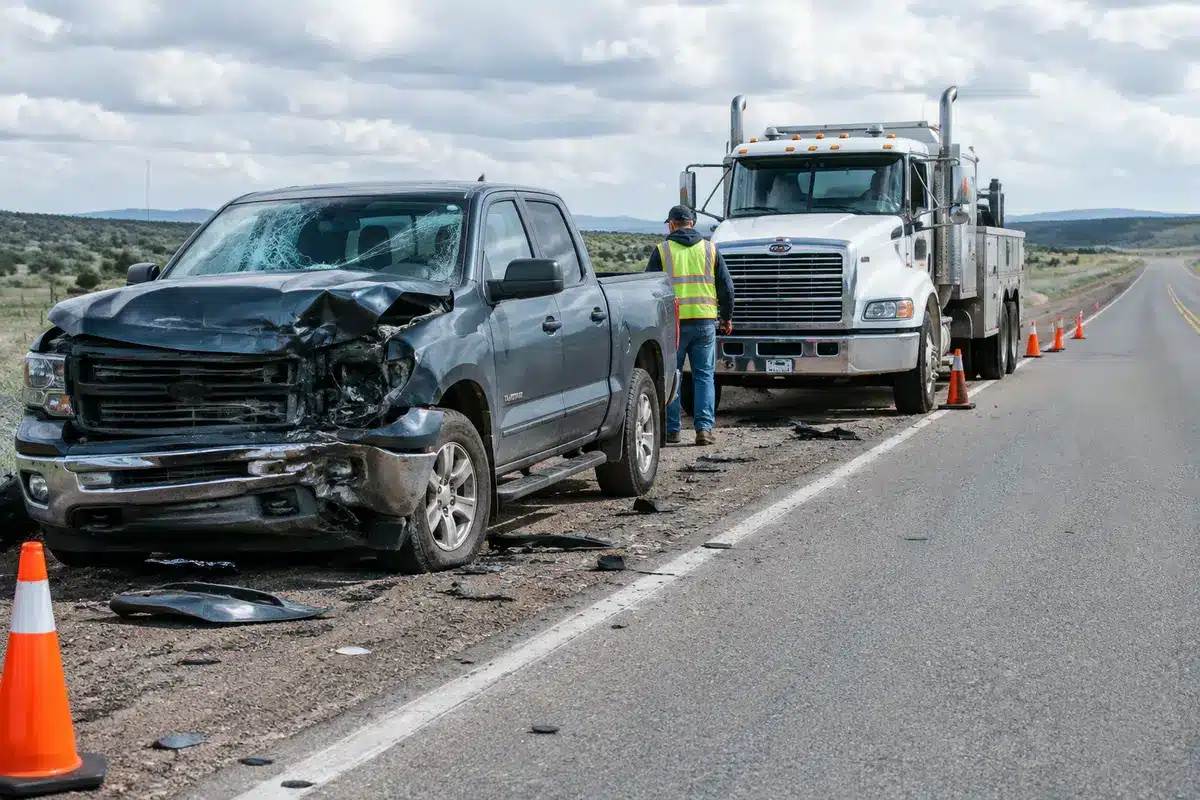
A 4-year-old boy has died after an assault that police now say was carried out by his mother's partner, and investigators allege the mother initially told authorities the child’s fatal injuries came from a car crash. The case has sparked a criminal probe and renewed attention on how signs of abuse can be missed or misrepresented.
What investigators report
Law enforcement officials say the infant’s injuries were inconsistent with a traffic collision and that medical examiners found evidence pointing to blunt-force trauma. Prosecutors have opened an investigation and the partner has been taken into custody on suspicion of causing the child’s death, authorities told reporters.
Boxing champions ditch long runs for high-intensity training: new era in fight prep
Czech nationals among victims of Pinedale-area crash: two confirmed dead

According to the police account, the boy’s mother told first responders the child had been involved in a vehicle accident; detectives say that account later changed as forensic findings and witness interviews raised doubts about the explanation.
Timeline and key facts
- Victim: a 4-year-old boy
- Alleged assailant: the mother’s partner, now under arrest on suspicion of homicide
- Initial claim: mother reportedly said the death resulted from a car crash
- Investigation focus: medical examiner’s findings and witness statements that point to physical assault
- Authorities involved: local police, child-protection services and the prosecutor’s office
How the inquiry unfolded
Officers were first summoned after the child was found unresponsive. Emergency personnel pronounced the boy dead at the scene, and an autopsy was ordered to establish a cause of death. Forensic examiners identified injuries that did not fit the profile of a typical crash-related trauma, prompting detectives to treat the case as a suspected homicide.
Investigators say they also examined digital records and interviewed household members and neighbors to reconstruct the events leading to the child’s death. The mother’s initial statement to police is now part of the inquiry; prosecutors must determine whether she had knowledge of the assault or whether she faces separate charges.
Legal and social implications
The case raises several immediate legal questions. If prosecutors can show the child died from an assault, charges could include homicide and related counts such as child abuse or obstruction if false statements were made.
Beyond criminal charges, this incident also prompts scrutiny of the systems meant to protect children. Child-protection agencies and courts may examine prior reports, if any, and whether earlier interventions could have prevented the fatal outcome.
What this means for the public
Incidents like this tend to prompt community concern about how to spot and report possible child abuse. Health professionals and child welfare advocates say early reporting of suspicious injuries, sudden behavioral changes, or inconsistent explanations can be critical.

- Report unexplained injuries or repeated hospital visits to local authorities or child-protection hotlines.
- Tell emergency personnel if a caregiver’s account doesn’t match the child’s injuries.
- Document dates and times of concerning incidents—both medical records and witness statements can be important in investigations.
Next steps
Prosecutors are reviewing forensic results and witness statements as they consider formal charges. The arrest of the partner is only an early step in a process that will include grand-jury review or a charging decision, pretrial motions and, potentially, a criminal trial.
Public records related to the case—court filings, charging documents and official statements from law enforcement—will be the most reliable sources for updates. Officials caution that allegations are subject to confirmation in court, and the legal process will determine responsibility.
If you are seeking immediate assistance or suspect a child is in danger, contact local emergency services or your area’s child-protection agency. Law enforcement and child-welfare authorities advise erring on the side of reporting concerns rather than remaining silent.