Show summary Hide summary
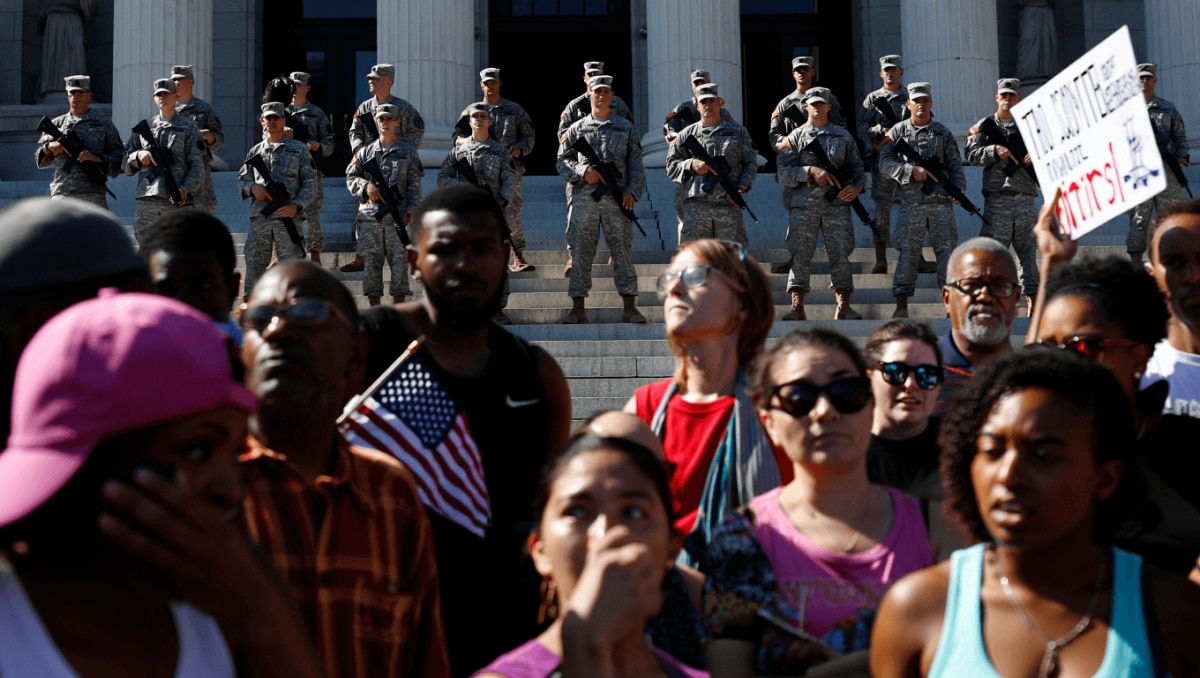
As Washington hosted the nation’s 250th Independence Day events, the number of National Guard personnel in the capital swelled — and with it, political and legal tensions. What began as short-term security support has become a focal point of criticism from civil-rights groups and some Democratic governors who say their troops are being folded into a longer-term federal law-enforcement posture.
From planned support to prolonged presence
The District has seen a continuous Guard presence since August 2025, when federal and local officials mobilized forces in response to what the White House described as an uptick in violent crime. Alongside D.C.’s own Guard units, multiple states — initially those led by Republican governors — provided contingents for patrols and event security.
Boxing champions ditch long runs for high-intensity training: new era in fight prep
Czech nationals among victims of Pinedale-area crash: two confirmed dead
Initially hovering between roughly 2,300 and 2,600 personnel, the Guard footprint in the capital climbed to about 5,000 in the weeks around the celebratory events, including the Great American State Fair and the July 4 fireworks. Several Democratic-led states later sent troops to help with those crowd-heavy gatherings; that decision has since drawn scrutiny.
Where the controversy centers
Advocacy groups and some state officials argue that Guard members are operating beyond ceremonial duties and are being integrated into an ongoing enforcement mission known as the Safe and Beautiful Task Force, created by presidential executive order last year. That task force has been described by proponents as an anti-crime initiative; critics say it amounts to a prolonged federal deployment in the city.
Organizers tracking Guard movements reported seeing out-of-state troops in neighborhoods and at transit hubs far from official celebration sites. Those accounts prompted a coalition of think tanks, labor, civil-rights and civic organizations to ask Michigan’s governor to pull her state’s forces, contending the troops were being misused.
State responses and legal pushback
Minnesota announced it would bring its contingent home earlier than scheduled, citing the successful completion of public events. Kentucky also recalled at least one Guard member after that service member was reportedly reassigned to the wider task force without state approval.
Michigan’s deployment remains scheduled through the end of August, but Gov. Gretchen Whitmer has warned she will revoke the mission if further evidence emerges that her Guard is being used outside the narrow scope of the 250th festivities. Several Democratic-led states have joined a lawsuit challenging the continuing nature of the deployment to D.C., arguing that federal authorities are overstepping.
What officials have said
The Pentagon redirected questions about specific troop assignments to the Joint Task Force–District of Columbia, which did not provide comment in response to repeated inquiries. At a recent event thanking Guard members, top administration figures addressed troops about public-safety efforts tied to the celebrations.
Advocates remain skeptical. Liberty and national-security experts who signed the letter to Michigan’s governor warned that state leaders are effectively trusting the administration to limit how their forces are used — a trust they say has been broken.
| State | Approx. Troops Sent | Current Status |
|---|---|---|
| Michigan | ~160 | Deployment active; governor threatens withdrawal if misuse continues |
| Minnesota | ~100 | Returning early after celebrations concluded |
| Kentucky | 1 (reported reassignment) | Recalled following reassignment without state consent |
Why this matters now
The episode highlights a broader, immediate question about the balance of federal authority and state control over military forces deployed for domestic missions. For residents and visitors, the issue has practical consequences: how and where uniformed troops are used affects civil liberties, local policing, and public confidence in official deployments.
Legal challenges and public monitoring efforts mean the matter is likely to remain in the headlines as the administrations and state officials negotiate the limits of temporary security missions. If more states pull personnel or succeed in court, Washington’s long-term mix of federal and state forces could change quickly.
- Short-term impact: Reduced troop levels at public events and shifted security plans.
- Medium-term effect: Potential legal rulings on the scope of federal use of state Guards in the capital.
- Long-term concern: Precedent for future federal requests and the politicization of National Guard deployments.
As the situation develops, lawmakers, civil-rights organizations and state officials will be watching for clear limits on how Guard units are tasked in the District — and for transparent answers about who decides those limits.