

Show summary Hide summary
A federal judge has barred a new effort by the Trump administration to strip automatic U.S. citizenship from children born on American soil, saying longstanding Supreme Court precedent and the Constitution constrain sweeping executive action. The decision halts any immediate change to a policy that touches immigrant families and could reshape how citizenship is determined if upheld on appeal.
What the court found
In the order, the judge pointed to the Supreme Court’s 1898 ruling in United States v. Wong Kim Ark, which has long been read to support the principle that people born in the United States generally acquire citizenship under the 14th Amendment. The judge concluded that the government’s measure — framed as an administrative reinterpretation rather than a legislative change — could not override that precedent without a clear congressional mandate or a new Supreme Court ruling.
Boxing champions ditch long runs for high-intensity training: new era in fight prep
Czech nationals among victims of Pinedale-area crash: two confirmed dead
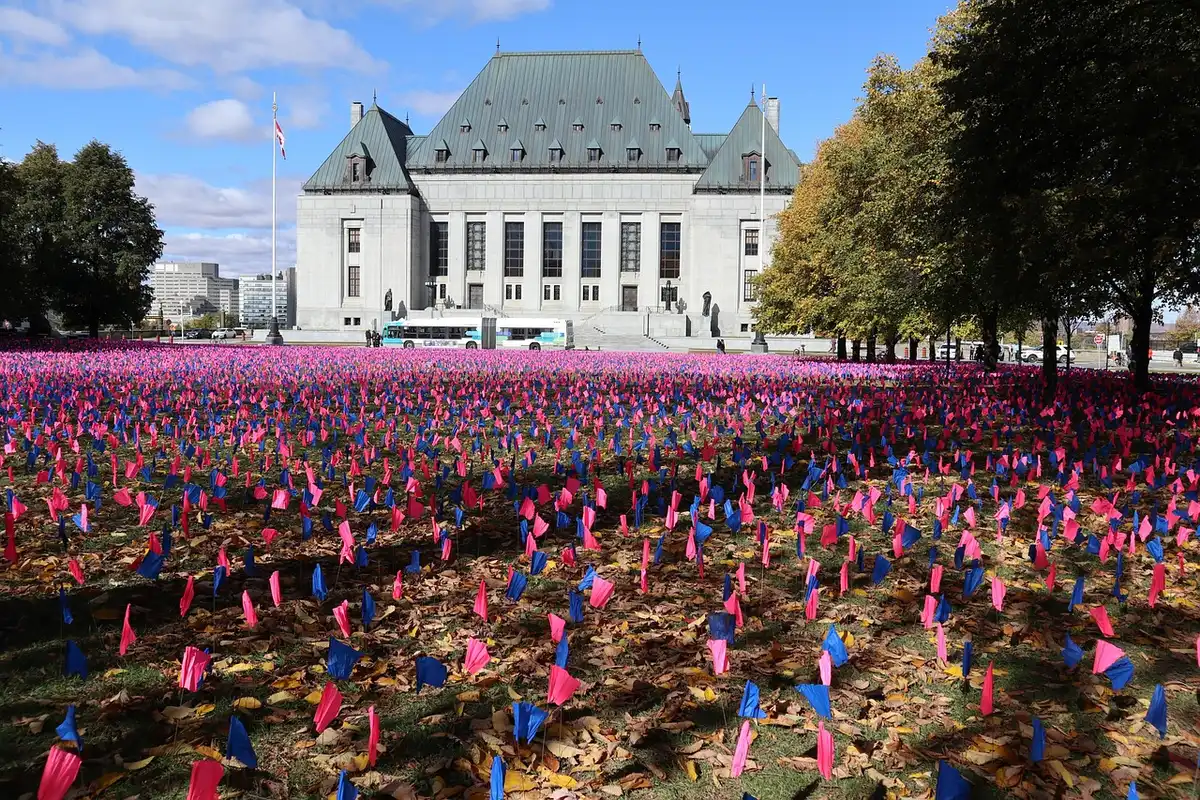
The ruling is procedural in part: it blocks the policy from taking effect while the legal challenge proceeds. But its legal reasoning puts immediate pressure on federal officials seeking to use executive authority to alter longstanding immigration practice.
Why this matters now
Birthright citizenship is one of the most consequential elements of American nationality law. Any attempt to limit it raises practical and constitutional questions about who counts as a citizen and how far the executive branch can go without Congress or the Supreme Court.
- Scope: The ruling preserves the status quo for children born in the United States regardless of their parents’ immigration status.
- Legal precedent: The court relied heavily on Wong Kim Ark and the constitutional text that has shaped citizenship law for more than a century.
- Immediate effect: The government cannot implement the new rule while litigation continues; affected families remain eligible for citizenship by birth.
- Next steps: The administration may appeal the injunction to a higher court, setting up a possible path toward the Supreme Court.
Legal background in plain terms
The 14th Amendment declares that anyone “born or naturalized in the United States” is a citizen. Courts have interpreted that clause through a combination of constitutional text and case law going back to the late 19th century. In Wong Kim Ark, the Supreme Court addressed whether a child born in the United States to noncitizen parents could claim citizenship; the Court’s answer created the modern legal foundation for birthright citizenship.
Attempts to change that interpretation by executive fiat face two hurdles: the constitutional language itself and the weight of precedent. Courts generally require a clear congressional directive or an unmistakable basis in law before allowing an administration to depart from settled constitutional interpretations.
Political and social consequences
Whether the administration pursues an appeal or seeks legislative change, the issue is likely to remain politically charged. Any long-term alteration to birthright citizenship would affect immigrant communities, hospital and state record-keeping, and numerous federal programs that rely on citizenship status.

Legal experts caution that the road to overturning such a foundational rule is steep. Even if a lower court ultimately sides with the administration, the Supreme Court would be the only body with authority to establish a national departure from the century-old reading of the 14th Amendment.
What to watch next
The litigation timeline and any appellate filings will determine how quickly the courts resolve the dispute. Observers should track:
- Whether the government files an immediate appeal to a federal appeals court.
- How quickly appellate courts schedule hearings and rulings.
- Whether the Supreme Court agrees to take the case if an appeals court issues a decisive ruling.
For now, the judge’s decision safeguards automatic citizenship at birth pending further judicial review, reinforcing the powerful role of precedent in disputes over immigration and constitutional rights.