
Show summary Hide summary
A federal appeals court this week struck down a Trump-era policy that allowed the United States to remove asylum seekers to a third country, declaring the measure unlawful. The ruling immediately raises questions about how the U.S. will manage asylum claims at the border and whether the government will seek a fast appeal to the Supreme Court.
What the court concluded
The appeals panel found that the rule exceeded the executive branch’s legal authority and conflicted with federal immigration statutes and administrative-law requirements. In its opinion, the court said the policy failed to follow proper rulemaking procedures and did not adequately account for the risks migrants face when sent to countries they passed through.
Firefighter chews through restraints after partner locks him in cuffs, police say
NBA most improved odds: four surprising breakout bets gaining steam
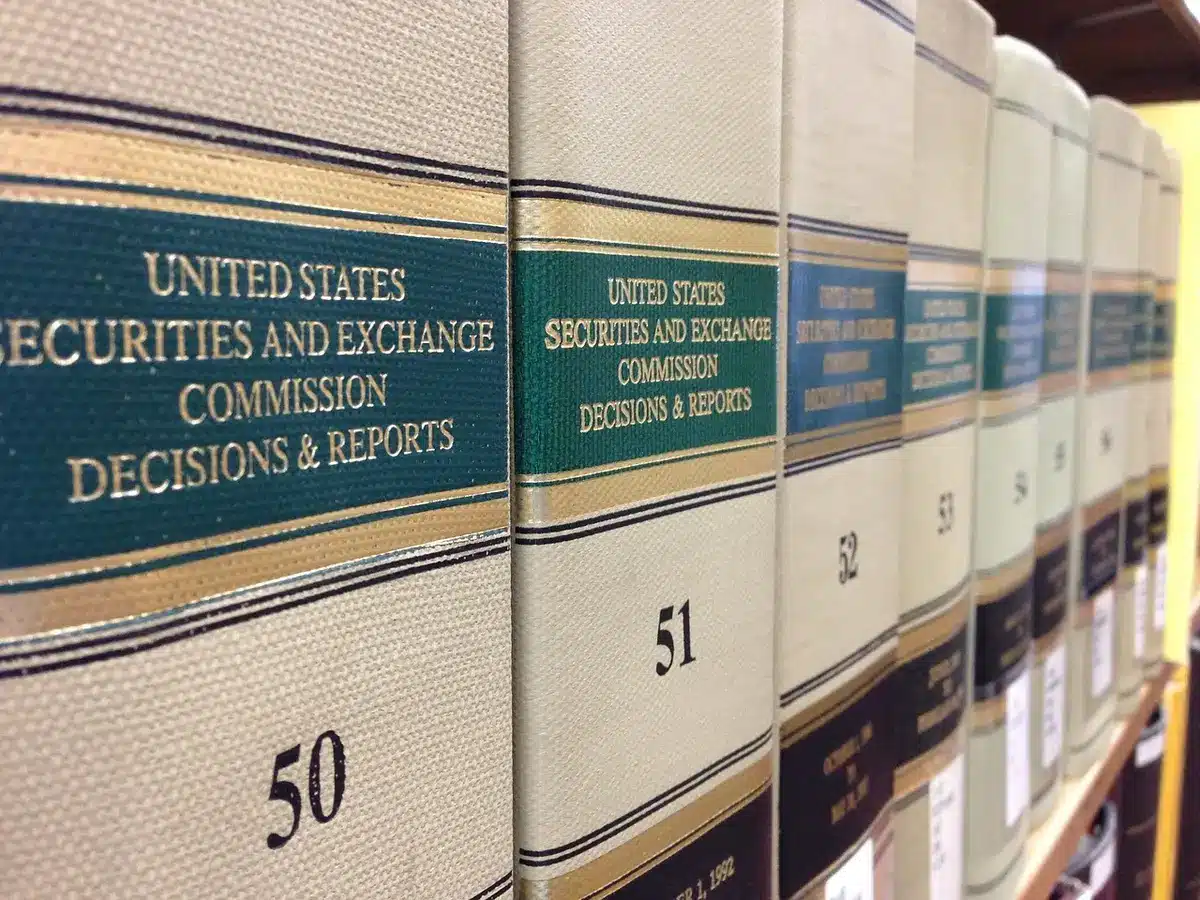
This decision focused less on politics and more on process: judges concluded the administration did not demonstrate it had the statutory power to impose a broad bar on asylum claims simply by designating so-called third countries as safe alternatives.
How the policy worked — and why it mattered
The “third-country” approach barred people who transited through another nation without applying for protection there from seeking asylum in the United States. Advocates said it aimed to deter irregular arrivals; critics argued it unfairly denied protection to vulnerable people and shifted responsibility to countries with limited capacity.

With the appeals court now rejecting the rule, federal agencies will need to re-evaluate how they handle cases that were processed under its authority.
- Immediate enforcement: The ruling likely halts or limits removals carried out under the policy while lower courts sort out how the decision applies to pending cases.
- Pending migrants: People previously denied asylum on third-country grounds may have new legal pathways to reopen claims or seek review.
- Agency action: Homeland Security and other agencies may revise the rule, start a new notice-and-comment process, or appeal the decision.
- State and international impact: States bordering Mexico and countries in Central America could see shifts in migration patterns and legal responsibility disputes.
What comes next
Officials in the federal government can ask the full appeals court to rehear the case, seek emergency relief from the Supreme Court, or craft a revised regulation that addresses the court’s legal concerns. Any new rule would likely face rapid legal challenges and could take months to survive court scrutiny.
Meanwhile, immigration advocates and some states are preparing to press their own arguments in courtrooms across the country. The decision does not erase the policy’s history or the administration’s interest in limiting certain asylum claims, but it does set a legal obstacle to doing so without clearer congressional authorization or a sturdier administrative record.
Why this matters now
For migrants, the ruling can change immediate prospects for protection and detention outcomes. For policymakers, it signals judicial skepticism about expansive executive actions on asylum without robust legal grounding. And for the public, the case highlights a recurring tension in U.S. immigration law: how to balance border control with legal obligations to people fleeing persecution.
Legal analysts note that the dispute is likely to return to the courts, and perhaps ultimately to the Supreme Court, where a definitive ruling could determine whether third-country limitations are ever a lawful tool for U.S. immigration policy.