
Show summary Hide summary
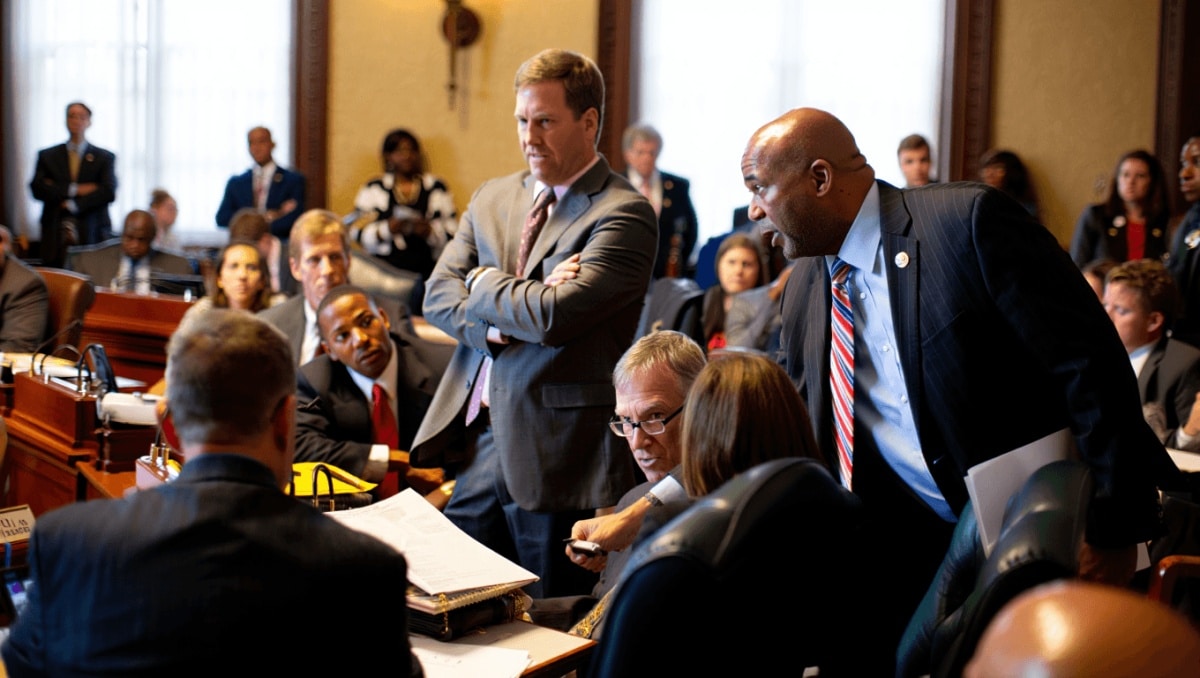
Maryland’s Democratic-led legislature will reconvene on Aug. 3 for a special session to consider a proposed change to the state constitution that would reshape how future congressional districts are drawn — a move that could influence the balance of the U.S. House and the state’s political landscape ahead of November. Lawmakers say the measure is intended to clarify redistricting rules after a contentious effort earlier this year to redraw maps that favored Democrats.
The session comes as redistricting disputes intensify nationally, with recent court rulings altering legal standards and prompting both parties to seek new means to protect or expand their congressional representation.
What’s on the agenda
Boxing champions ditch long runs for high-intensity training: new era in fight prep
Czech nationals among victims of Pinedale-area crash: two confirmed dead
Legislative leaders have not released the amendment’s exact text, but say it would adjust the state constitution’s language governing congressional redistricting. If each chamber of the General Assembly approves the measure by a three-fifths majority, the amendment would appear on the Nov. 3 ballot for voters to decide.
If Maryland voters approve the question, legislators would gain the authority to redraw congressional boundaries in a later election cycle under the amended constitutional framework.
- Special session date: Begins Aug. 3
- Ballot timing: Voters would see the amendment on Nov. 3 if approved by the legislature
- Current U.S. House delegation: Democrats hold seven of eight seats
- Potential change: The amendment is intended to allow adjustments that could enable an 8–0 Democratic map
- Approval threshold: Three-fifths vote in both chambers required to place the amendment on the ballot
Political reactions
Democratic leaders describe the move as a response to shifting legal precedents and as an effort to create a transparent, long-term process for drawing congressional districts. The House speaker framed the session as a way to give Maryland voters the final say on any constitutional adjustments tied to redistricting.
Republicans called the special session a partisan power play. They argue the effort would eliminate the state’s lone GOP-held seat in Congress and diminish representation for constituents of that district. The one Republican in Maryland’s delegation represents a sizable constituency that GOP leaders say would lose its voice if maps were redrawn to favor Democrats.
Governor Wes Moore, a Democrat, has publicly supported returning to the issue and urged lawmakers to complete the work.
Broader context and stakes
Redistricting typically follows the decennial census, but recent years have seen mid-decade efforts to redraw maps in several states. That campaign-style approach to redistricting intensified after political operatives and state officials pursued map changes aimed at protecting partisan advantages.
A high court decision in late April changed how some courts evaluate districts with large minority populations, creating fresh legal openings for parties seeking to reconfigure those districts. Analysts say those rulings could shift several U.S. House seats nationally, raising the stakes for state-level actions like Maryland’s.
For Maryland, the immediate consequence is straightforward: a constitutional amendment on the ballot could clear a pathway for lawmakers to revisit — and potentially overhaul — the congressional map in a way that affects partisan balance for years.
Whatever the outcome, the process will unfold on a tight timeline before the November general election, and will likely draw close scrutiny from both parties, civil-rights groups and voters concerned about fair representation.