A federal judge has blocked the Justice Department from demanding the names and private contact details of every person who worked the 2020 election in Georgia’s Fulton County, ruling the request was overly broad and posed significant privacy and practical concerns. The decision underscores growing legal limits on grand jury subpoenas and highlights potential chilling effects on civic participation just as election administration remains politically charged.
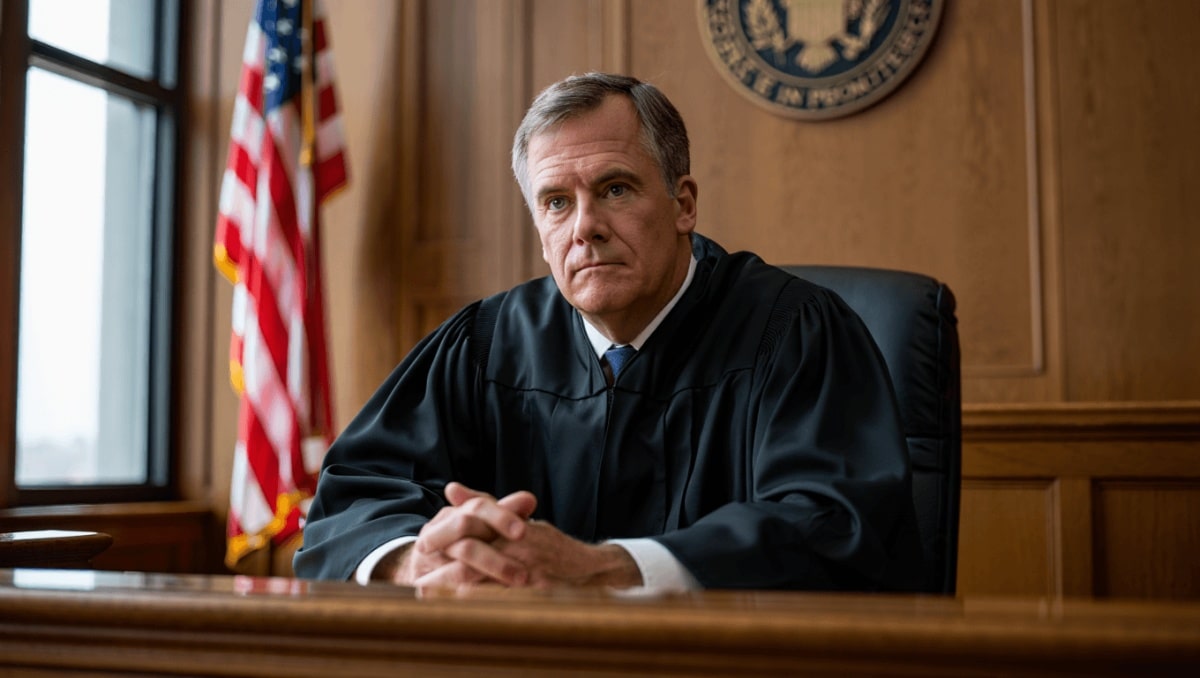
U.S. District Judge William Ray — a Trump appointee — granted Fulton County’s motion to quash a subpoena issued in April that sought identifying information for county staffers and volunteer poll workers. Ray described the scope of the request as excessive relative to the government’s stated need and said compelling the disclosure would be unreasonable and unduly burdensome.
The subpoena followed earlier federal investigative steps, including an FBI search at a Fulton County election facility in January that seized ballots and other materials. A separate court later ordered the return of those ballots. The Justice Department has characterized the records demand as a normal part of its inquiry into potential wrongdoing and told the court it sought people “with relevant knowledge.”
Boxing champions ditch long runs for high-intensity training: new era in fight prep
Czech nationals among victims of Pinedale-area crash: two confirmed dead
Fulton County officials argued the subpoena appeared aimed at targeting political opponents and would chill future participation by election workers — a point the judge explicitly acknowledged. Ray noted that recruiting and retaining people to staff elections could be made more difficult if private contact information were exposed.
Ray also questioned the utility of the data for prosecutorial purposes. He observed that, even if the records pointed investigators toward individuals who believed the 2020 election was mishandled, the statute of limitations for related criminal charges has largely expired, limiting any prospect of indictment based on conduct tied directly to the 2020 timeline.
At a May hearing, county counsel Kamal Ghali argued disclosure would deter volunteers. Justice Department lawyer William McComb countered that statute-of-limitations issues do not bar investigators from gathering information during an inquiry. The court accepted the county’s position that the blanket demand for names and phone numbers was not sufficiently tailored to a legitimate law-enforcement purpose.
- What the judge blocked: A broad subpoena seeking names and personal contact information for Fulton County employees and volunteer poll workers from the 2020 election.
- Judicial reasoning: The request was disproportionate to the government’s need, risked chilling election participation, and intruded on private information without a clear law‑enforcement justification.
- Context: The subpoena followed an FBI search of county election records; other courts have already ordered some seized materials returned.
- Practical stakes: The ruling limits how federal investigators may use a grand jury to gather expansive personal data and underscores privacy concerns for civic volunteers.
The judge emphasized that his ruling does not prohibit all further inquiry into allegations about the 2020 election — only that the grand jury process cannot be used as a blanket tool to obtain private information absent a legitimate investigative need. He warned that allowing otherwise would invite powerful actors to demand citizens’ personal data without adequate cause.
Fulton County Attorney Soo Jo praised the decision, saying the county had pushed back against demands that could undermine confidence in elections. An email seeking comment was also sent to the Justice Department.
Investigators continue to use resources nationwide in the broader inquiry: internal agency documents indicate hundreds of FBI staff have been assigned to assist aspects of the Fulton County investigation. The court’s ruling narrows how those investigative teams may proceed when seeking detailed personal records of election workers.
The case highlights a tension at the intersection of criminal procedure, voter-administration transparency and individual privacy — and it will likely shape how federal prosecutors and grand juries approach similar subpoenas going forward.