Show summary Hide summary
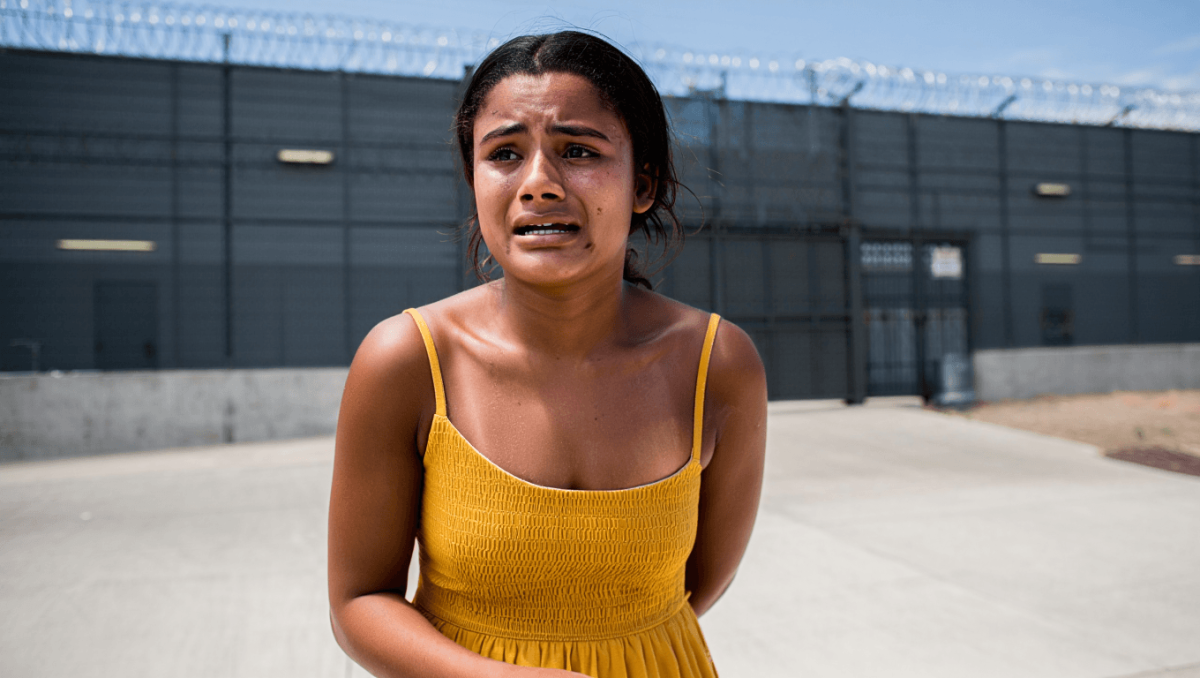
A soldier’s wife who was detained while pursuing permanent residency has been released from federal immigration custody after a U.S. senator intervened, a development that spotlights ongoing tensions between immigration enforcement and military families. Her case comes as policy changes and high-profile advocacy renew debate over how the government treats relatives of active-duty service members.
How the detention happened
Deisy Rivera Ortega, the spouse of Sgt. Jose Serrano, was taken into custody on April 14 during an appointment with immigration officials intended to advance her application for a green card. Serrano, an active-duty soldier based near Fort Bliss who has served three tours in Afghanistan, had described the arrest to news outlets.
Boxing champions ditch long runs for high-intensity training: new era in fight prep
Czech nationals among victims of Pinedale-area crash: two confirmed dead
According to federal records, Rivera Ortega first entered the United States in 2016 without authorization and received a final order of removal in December 2019. She held a military spouse ID, a valid work permit, and was employed at two hotels while pursuing relief through immigration channels.
Intervention and release
After advocacy groups raised the case, Democratic Sen. Tammy Duckworth — herself a combat veteran — personally contacted Department of Homeland Security Secretary Markwayne Mullin on Wednesday to press for Rivera Ortega’s release. Rivera Ortega was allowed to return home Thursday evening.
The Department of Homeland Security said the release comes with monitoring and reporting requirements: Rivera Ortega must wear a GPS tracking device, accept periodic home visits, and check in regularly with ICE offices while her case proceeds. DHS added that she will continue through the legal process to determine her immigration status.
- Arrest: April 14 during immigration appointment
- Background: Entered U.S. in 2016; final removal order issued Dec. 2019
- Release terms: GPS monitoring, home visits, ICE check-ins, continued due process
- Family: Married to Sgt. Jose Serrano since 2022; Serrano is stationed in Texas
Policy context and pushback
Last April, the Department of Homeland Security withdrew a previous guideline that had allowed immigration officials to treat a service member’s military service as a significant mitigating factor when deciding whether to deport an immediate family member. The administration’s current policy emphasizes that military affiliation alone does not automatically shield someone from immigration consequences.
Advocates for service members warn that detaining spouses and close relatives can disrupt household stability and distract service members from their duties. “Active-duty personnel should not be forced to worry about who will care for their children if a spouse is detained,” Sen. Duckworth told reporters, arguing that family upheaval undermines military readiness.
DHS also said that, under the previous administration’s enforcement push, more than 100 immediate relatives of veterans were placed into removal proceedings. The agency reported that, as of Jan. 26, 34 veterans themselves had been served with notices to appear in immigration court.
Why it matters now
This case is part of a larger pattern drawing attention from lawmakers on both sides of the aisle and from military-family advocates. Releases like Rivera Ortega’s follow public pressure and targeted interventions, but they leave unresolved questions about consistency in enforcement and the future of programs meant to protect families of service members, such as parole-in-place.
For families with members serving in uniform, the stakes are practical and immediate: custody decisions can affect childcare, finances and a service member’s ability to focus on deployments and training.
Brook, a corps member for The Associated Press through the Report for America Statehouse News Initiative, contributed to this report.