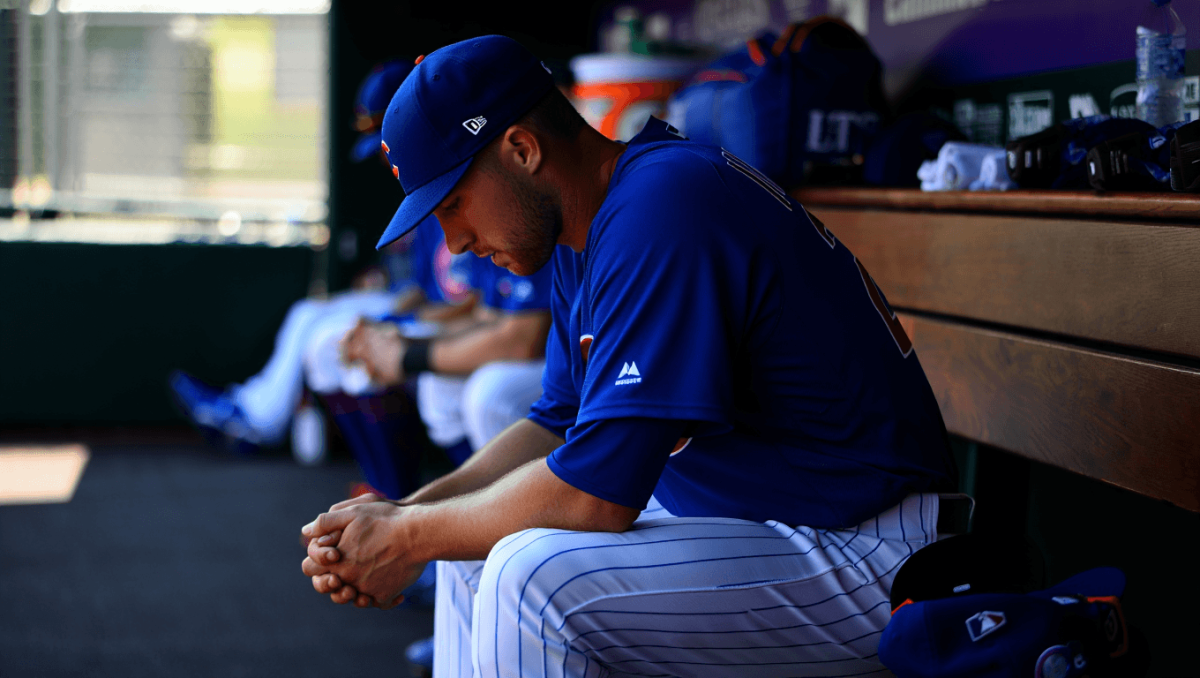
The Chicago Cubs’ season has shifted abruptly: a long run of promise has given way to a nine-game losing streak that threatens their place in the postseason race. With key arms sidelined and the NL Central proving unforgiving, what once looked like a division push has narrowed into a scramble for the final Wild Card berth.
Once buoyed by back-to-back double-digit win streaks, Chicago now finds itself scrambling to stay competitive in a division where every game carries weight. The team has played just over half the season, but recent results and mounting injuries have turned optimism into urgency.
What’s gone wrong
Boxing champions ditch long runs for high-intensity training: new era in fight prep
Czech nationals among victims of Pinedale-area crash: two confirmed dead
The most immediate problem is the pitching staff. The Cubs entered this year hoping their rotation would be a strength, but they’re currently missing several starters through injury, and return timetables are unclear. Offense, which might have compensated, has stumbled at the worst possible time.
- Injuries: Edward Cabrera, Matthew Boyd, Justin Steele and Cade Horton are all sidelined, removing expected innings and depth from the rotation.
- Recent form: Chicago is 2-13 over its last 15 games and averaging roughly 2.8 runs per game in that span; they’ve been held to three runs or fewer in 12 of those contests.
- Division context: The Brewers have opened a multi-game cushion atop the NL Central, and the entire division sits comfortably above .500, making late-season gains harder to find.
Predictive markets reflect the slide. Less than three weeks ago, models put the Cubs’ shot at the NL Central title at about 64%; that figure has fallen to roughly 28%. The Brewers, meanwhile, sit near a 50% probability to win the division and currently lead Chicago by 3.5 games.
Offensive inconsistency has amplified the problem. Several regulars have produced well below expectations through May: Pete Crow-Armstrong, Nico Hoerner, Alex Bregman, Ian Happ, Dansby Swanson, Seiya Suzuki and Moises Ballesteros have each seen their contributions dip at various points, leaving the lineup short on sustained production.
Chicago’s offense has long been streaky, capable of outperforming or underperforming underlying metrics over stretches. But the current skid—paired with uncertainty about when key pitchers will return—creates a narrow path back to contention. Even if some players regain form, the timing matters: the NL Central is leaving little margin for error.
Implications for the roster and trade market
Two weeks ago the Cubs were mentioned as potential buyers for a frontline starter like Tarik Skubal; now their likely posture may shift toward short-term fixes or low-risk moves aimed at plugging holes while keeping payroll flexibility. Front-office decisions in the coming weeks will tell whether Chicago leans into a push or begins to conserve assets for the off-season.
The broader consequence is also local and cultural: a franchise that began the year with clear expectations is watching a crosstown rival unexpectedly rise into the conversation for Chicago’s best postseason hope.
Where things stand is straightforward even if the path forward is not: unless the rotation begins to return to health quickly or the offense rediscovers consistent run production, the Cubs face an uphill climb to reach October. For fans and front office alike, the next few weeks will determine whether this team can salvage a playoff push or settle into a period of longer-term roster decisions.