
Show summary Hide summary
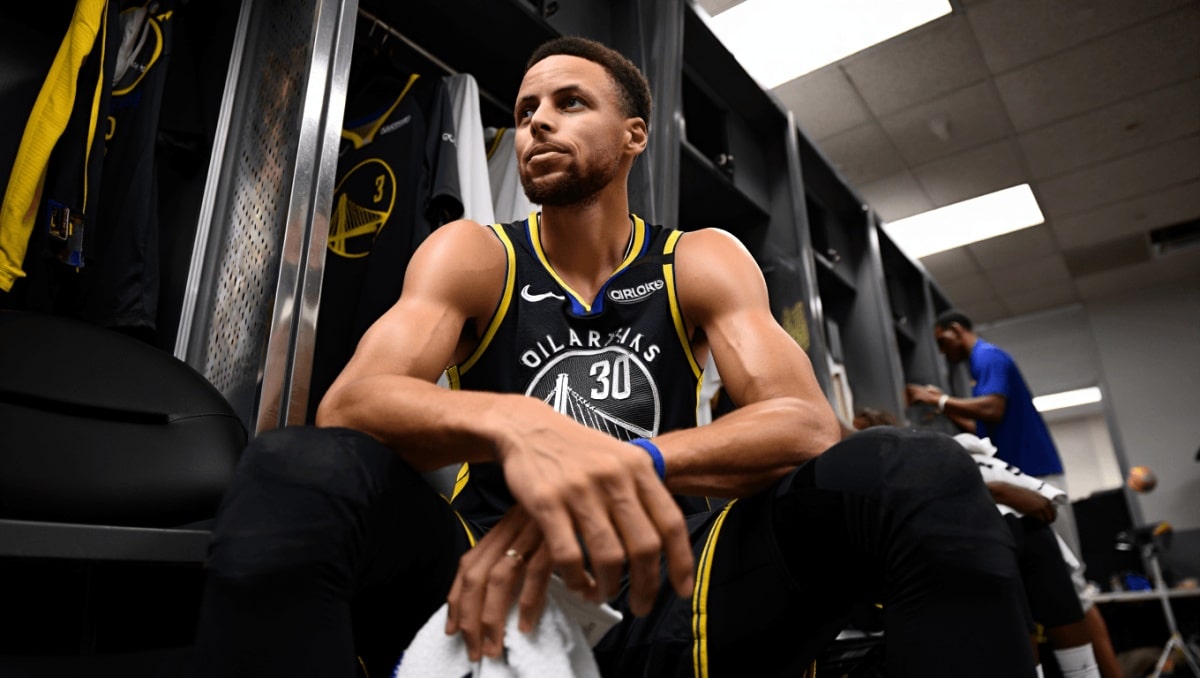
The Golden State Warriors may be at a crossroads as whispers of tension surface between the franchise and its longtime star. With Stephen Curry approaching a key contract window and the team trying to rebuild amid a stacked Western Conference, his next move will shape both the Warriors’ short-term competitiveness and Curry’s legacy.
Signs of friction, and why they matter now
Reports from The Athletic suggest Curry is growing frustrated with a roster-building approach focused on acquiring perimeter talent rather than assembling another genuine title contender. As one observer put it, the guard appears fed up with a cycle of “chasing stars” that hasn’t restored the team to championship form.
Boxing champions ditch long runs for high-intensity training: new era in fight prep
Czech nationals among victims of Pinedale-area crash: two confirmed dead
The timing sharpens the stakes. Curry is eligible to sign an extension at the end of August; if he passes, he would become an unrestricted free agent in 2027. At 38, his decision will influence whether Golden State tries to retool around him, pursues trades, or prepares for a post-Curry transition.
Recent context
The Warriors’ most recent title came in 2022, when Curry captured his first Finals MVP. The roster has since changed significantly: role players have aged, and Klay Thompson departed for the Dallas Mavericks in 2024. All of that has left Golden State trying to balance short-term competitiveness against a longer-term rebuild.
At the same time, LeBron James’ high-profile move in free agency this summer — a drawn-out decision that involved several suitors — has reminded NBA stars they can reshape their circumstances by changing teams. That precedent adds another layer to Curry’s own decision-making.
What markets and insiders are saying
Prediction markets and sports bettors have already placed sizable wagers on Curry’s future. One exchange shows significant trading volume around the question of whether he will still be a Warrior, retire, or join another franchise before the 2026–27 season.
| Item | Snapshot |
|---|---|
| Contract timeline | Extension window opens late August; free agency eligibility if unsigned in 2027 |
| Marketplace activity | Notable trading volume on Curry’s next team as of late July |
| Leading scenarios | Remain with Golden State or retire seen as the most likely outcomes; other franchises listed at lower odds |
| Likely timing of any move | A trade before 2027 would be unexpected; most analysts view a near-term trade as unlikely |
What this means for the Warriors and Curry
For Golden State, the calculus is delicate. Keeping Curry—who remains one of the game’s top shooters—offers continuity and preserves immediate drawing power. But committing to a veteran-led roster risks extending a period of playoff frustration in a conference with several ascending teams.
For Curry himself, the choice is partly about legacy. Staying would cement him as one of the rare players to spend his entire prime with one franchise, a comparison often made to icons who defined single teams. Leaving or waiting until 2027 opens other competitive options but also brings uncertainty in the twilight of his career.
- Short term: A timely extension would signal the Warriors plan to compete now.
- Medium term: Passing on an extension shifts leverage to Curry; teams could pursue different roster strategies.
- Long term: Any eventual move will factor into Curry’s place in NBA history and how the Warriors rebuild.
It would be surprising to see Golden State trade Curry before 2027, and both sides have reasons to avoid a headline-making split. Still, the reported unease is a development to watch: it affects roster planning, fan expectations, and the broader balance of power in the league heading into the next season.