Show summary Hide summary
A federal judge in New York sharply rebuked an immigration attorney this week after a habeas petition hinged on a factual mistake that the lawyer corrected the same day. The ruling, issued amid a nationwide surge of immigration habeas filings, underscores growing strain on district courts and rising legal risks for counsel and clients alike.
Judge faults lawyer for a key factual error
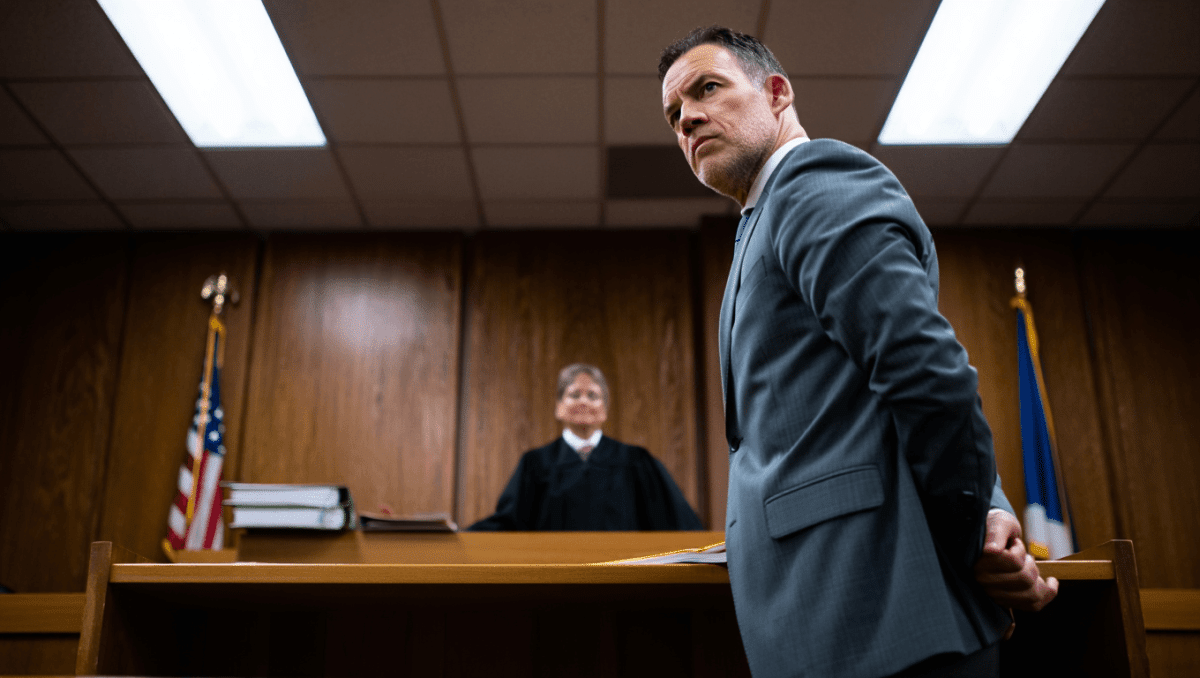
U.S. District Judge Mary Kay Vyskocil dismissed the emergency filings without prejudice after concluding the petition rested on a false premise — a claim that a petitioner had been placed on an ankle monitor. The court record shows the lawyer filed a follow-up letter the same day acknowledging the monitor allegation was incorrect and had been confused with another matter handled in the office.
The judge said the error was not trivial: references to the nonexistent device appeared repeatedly through the habeas and temporary restraining order pleadings, and the filings could not be meaningfully considered until they were rewritten. Vyskocil warned the lawyer that the misstatement could expose him to professional sanctions and, potentially, criminal liability for submitting erroneous sworn assertions.
Boxing champions ditch long runs for high-intensity training: new era in fight prep
Czech nationals among victims of Pinedale-area crash: two confirmed dead
The court declined to rule on the substance of the immigration issues raised and instead ordered the petitions and emergency motion denied without prejudice, permitting refiled, amended papers. If amended petitions are submitted, the government will have one week to respond.
Why the decision matters now
The ruling arrives as federal judges across the country are parsing two different sections of the Immigration and Nationality Act to decide how long Immigration and Customs Enforcement (ICE) may detain certain noncitizens. The dispute centers on whether mandatory detention applies under 8 U.S.C. §1225(b) — which refers to people seeking entry — or under 8 U.S.C. §1226(a) — which governs those already present in the United States.
Since mid-2025, courts have seen an uptick in habeas petitions challenging ICE detention practices after the agency altered its interpretation of detention authority. Judges in a number of districts have relied on language from a 2018 U.S. Supreme Court opinion to frame their analysis, but opinions and outcomes have varied.
Against that backdrop, judges are increasingly sensitive to procedural accuracy in filings that ask courts to intervene on an emergency basis. Errors that waste judicial resources or misstate facts can prompt swift sanctions or dismissal, as this case illustrates.
- Primary finding: The habeas petition relied on a factual assertion (ankle monitor) that turned out to be false.
- Court action: Petition and TRO application denied without prejudice; leave to refile after amendment.
- Risk to counsel: Judge warned of potential sanctions and possible criminal exposure for false statements.
- Next steps: If amended papers are filed, the government must respond within one week.
Practical implications for attorneys and clients
For immigration lawyers, the case is a cautionary reminder that speed and volume in litigation cannot replace careful fact-checking and case-specific pleadings. The judge criticized what she framed as mechanical, “cut-and-paste” drafting that borrowed facts from other matters — a practice that can backfire in time-sensitive petitions.
For detained individuals and advocates, the decision signals that courts will not tolerate emergency requests built on inaccurate or unverified claims, even as the larger legal fight over detention authority continues. Errors can delay relief and may weaken a petitioner’s credibility in future proceedings.
At a systemic level, the ruling highlights a dual pressure: district courts are handling more immigration habeas claims, while litigants are testing the contours of ICE’s detention power. That combination raises the stakes for precise, well-supported filings and for clear communication between counsel and clients.
As the broader statutory disputes play out, lawyers who represent noncitizens should review intake and verification practices, ensure affidavits accurately reflect individual circumstances, and treat emergency relief as a tool that requires exacting standards of proof and presentation.