Show summary Hide summary
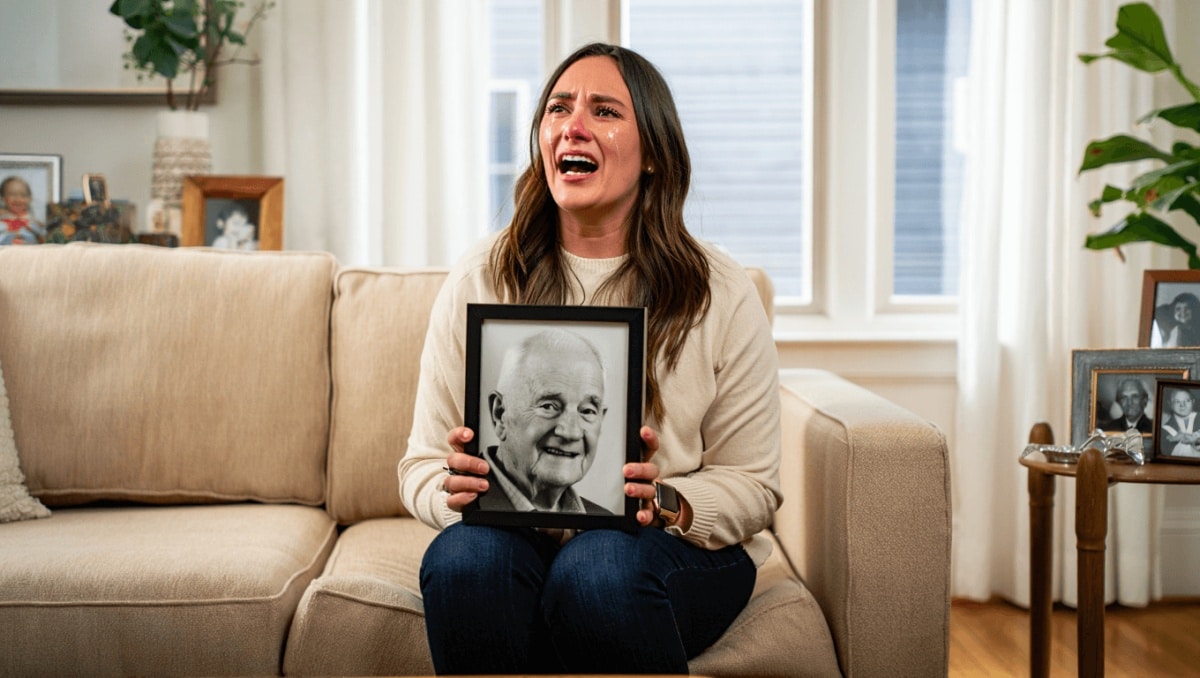
When comedian Alyssa Limperis returned home to care for her father, she discovered an unlikely ally against sorrow: laughter. A decade after her father’s death from brain cancer, Limperis still turns the experience into material — most recently performing her one-woman show to raise funds for a bereavement nonprofit — underscoring how humor helps many people navigate loss today.
From bedside to stage
Limperis was 24 when she moved back to Massachusetts from New York to care for her father. Faced with long days of caregiving and the slow advance of illness, she began channeling those moments into a solo comedy set she called No Bad Days. She staged the first version about a month after her father died in 2015, and the work has remained part of her act ever since.
Boxing champions ditch long runs for high-intensity training: new era in fight prep
Czech nationals among victims of Pinedale-area crash: two confirmed dead
Now based in Los Angeles, Limperis recently brought the show back to her hometown area for a fundraiser supporting The Parmenter Foundation, an organization that funds end-of-life and bereavement programs, offers grief support for college students and connects caregivers with social-worker support.
She says performing is more than career work — it’s a ritual of connection. Onstage, Limperis likens the act to checking in with her father: a way to keep his presence alive while processing the complex emotions that caregiving left behind.
Why this matters now
More families are juggling long-term care responsibilities at younger ages, and many caregivers report isolation and limited access to targeted services. Limperis’ story is timely because it highlights two immediate needs: practical support for caregivers and recognition that grief can be expressed in varied, sometimes unexpected, ways.
Experts and nonprofits say creative outlets — including humor — can reduce isolation, encourage connection with others who have experienced loss, and make seeking help feel more approachable.
What the research shows
Recent studies support what caregivers like Limperis describe. Researchers have found that humor often helps bereaved people strengthen social bonds and recall the personality of the person who died. Other investigations note that humor can both trigger memories of loss and serve as a critical coping tool, particularly for older adults facing bereavement.
Scholars characterize laughter in grief not merely as levity, but as a kind of emotional work: a way to hold painful feelings while still functioning socially. As one recent university study put it, humor can act as a social adhesive and sometimes a protective mask during darker periods.
Voices from the field
Leaders in bereavement care say caregivers frequently report turning to dark or gallows humor as a survival strategy. Angela Crocker, executive director of The Parmenter Foundation, notes that many who support a dying loved one seek moments of lightness amid heavy responsibilities — and that those moments can be essential for getting through the day.
Limperis echoes that view, describing caregiving as simultaneously “beautiful and horrible,” and saying that laughter often emerged organically in her family home where the weight of illness was constant. She also stresses the practical side: when services and peer networks are available, the experience feels less solitary.
- Seek support early: Look for local bereavement programs, hospice-connected services, or college support systems if you’re a student caregiver.
- Find community: Peer groups can normalize unexpected reactions, including laughter or dark humor.
- Use creative outlets: Writing, performance, or other forms of expression can transform private grief into shared understanding.
- Accept varied responses: Grief does not look the same for everyone — humor can coexist with sorrow and still be healthy.
What caregivers and loved ones can take away
Limperis’ decade-long performance journey illustrates both personal healing and public benefit: audiences who have lost someone tell her the work helps them remember and laugh, not at the person they lost but with them. For caregivers today, that dual function — private processing and community building — is the article’s clearest message.
Practical help from organizations such as The Parmenter Foundation can make caregiving less isolating, while cultural permission to grieve in varied ways — including through humor — can reduce the stigma many feel about unconventional responses to loss. Together, those supports can change how families move forward after a death.
At its core, Limperis’ story is a reminder that grief is multifaceted: it can include tenderness, rage, exhaustion — and, sometimes, laughter that keeps people going.