Show summary Hide summary
A federal judge on Tuesday blasted an executive branch decision to erase convictions tied to the Jan. 6 attack even as he granted a request that effectively ends prosecutions of key members of the Oath Keepers. The move follows a broader White House effort that has undone or dismissed many cases arising from the Capitol breach, leaving unresolved questions about accountability and the rule of law.
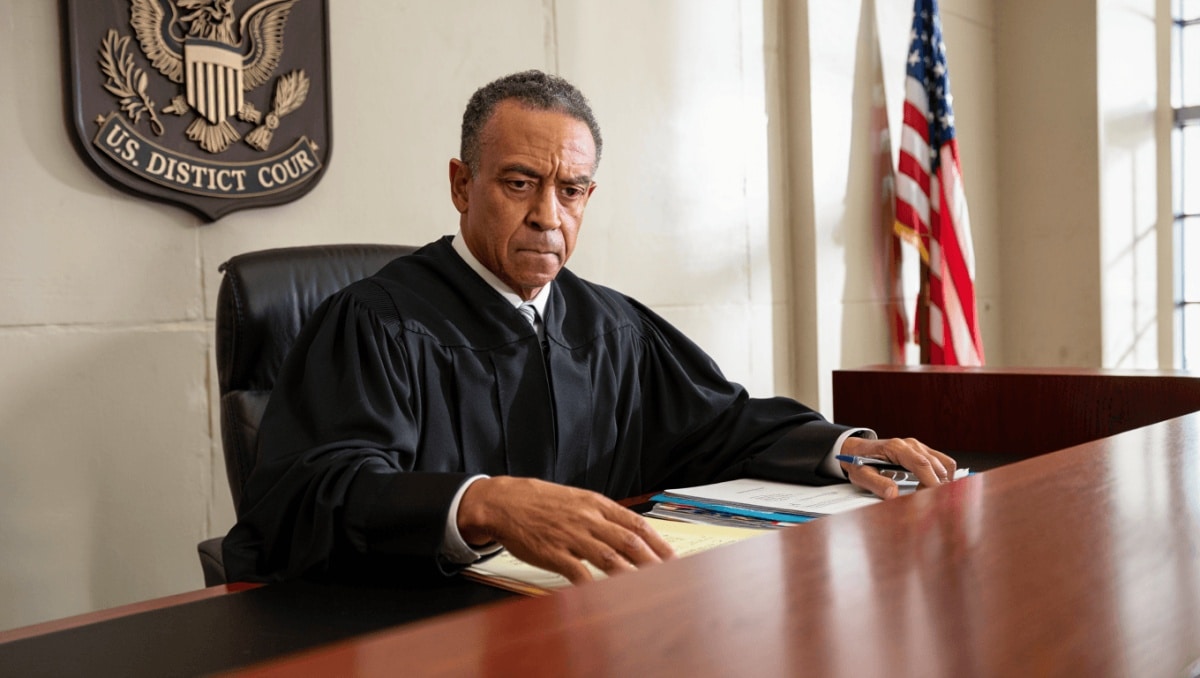
U.S. District Judge Amit Mehta, who presided over the high-profile trials of Oath Keepers leaders, made clear his distaste for the outcome but said he was bound to comply with the Department of Justice’s motion to vacate certain seditious-conspiracy convictions. Mehta, an appointee of President Barack Obama, warned that the decision diminishes the public record of what happened that day and the work of prosecutors and officers who secured convictions.
How the convictions unraveled
Boxing champions ditch long runs for high-intensity training: new era in fight prep
Czech nationals among victims of Pinedale-area crash: two confirmed dead
In April the Justice Department moved to vacate convictions for defendants whose sentences had been commuted by former President Donald Trump but who were not fully pardoned. That action, combined with a wave of pardons and directives to dismiss pending cases, has wiped out major legal consequences for some of the most serious Jan. 6 prosecutions.
Trump has defended the moves as corrective, arguing the defendants were treated unjustly and framing pardons and commutations as steps toward “national reconciliation.” The White House also instructed the attorney general to seek dismissal of roughly 450 pending Jan. 6 cases nationwide.
What this means now
The judicial dismissal of the seditious-conspiracy case involving Oath Keepers figures closes one of the most prominent chapters of the post-Jan. 6 legal response. Still, the picture is uneven: many lower-level defendants had already been prosecuted or pleaded guilty, while leadership-level cases are now largely nullified.
- Scope of prior prosecutions: More than 1,200 people were convicted in connection with Jan. 6, including about 200 who admitted to assaulting law enforcement officers.
- Outcomes altered: Most Jan. 6 defendants received full pardons; others, like certain Oath Keepers, saw their sentences commuted before the DOJ vacated convictions.
- Pending cases: The administration ordered the dismissal of roughly 450 open matters arising from the attack on the Capitol.
- Legal and civic stakes: The shift raises questions about deterrence, historical record and how future politically charged prosecutions will be handled.
Those whose convictions were vacated include figures who had been convicted of participating in a plot the government described as aimed at stopping the transfer of presidential power. Some defense lawyers and defendants maintain they were unfairly prosecuted; Stewart Rhodes, the Oath Keepers’ founder, denied entering the Capitol and has long characterized his sentence as politically motivated. His trial counsel, James Lee Bright, said he was disappointed by Mehta’s tone in the ruling and criticized what he called unnecessary editorializing.
Mehta voiced concern that the administration’s request effectively absolves crimes committed against the United States and said it undercuts the peaceful-transfer norm that has sustained American democracy. Yet he concluded the court lacked the authority to refuse the executive branch’s motion.
Looking ahead
Legal experts say the immediate effect is to curtail the dramatic, high-level prosecutions that were seen as a test of the justice system’s ability to respond to an unprecedented attack on federal institutions. At the same time, the large number of convictions already entered into the record—along with body camera footage, testimony and jury findings—remains publicly available and will inform historical accounts and potential civil inquiries.
The broader debate now centers on whether the executive actions will prompt further legal challenges, congressional scrutiny, or reforms to how politically sensitive prosecutions are handled. For readers trying to understand the practical consequences: closures mean fewer sitting or future prison terms for leaders in the Oath Keepers case, and a significant portion of the Jan. 6 docket has been effectively wiped clean.
As the fallout continues, the episode underscores a central tension between prosecutorial independence, presidential clemency powers, and the judiciary’s limited ability to countermand executive decisions—questions likely to persist in public and legal discourse.