
Show summary Hide summary
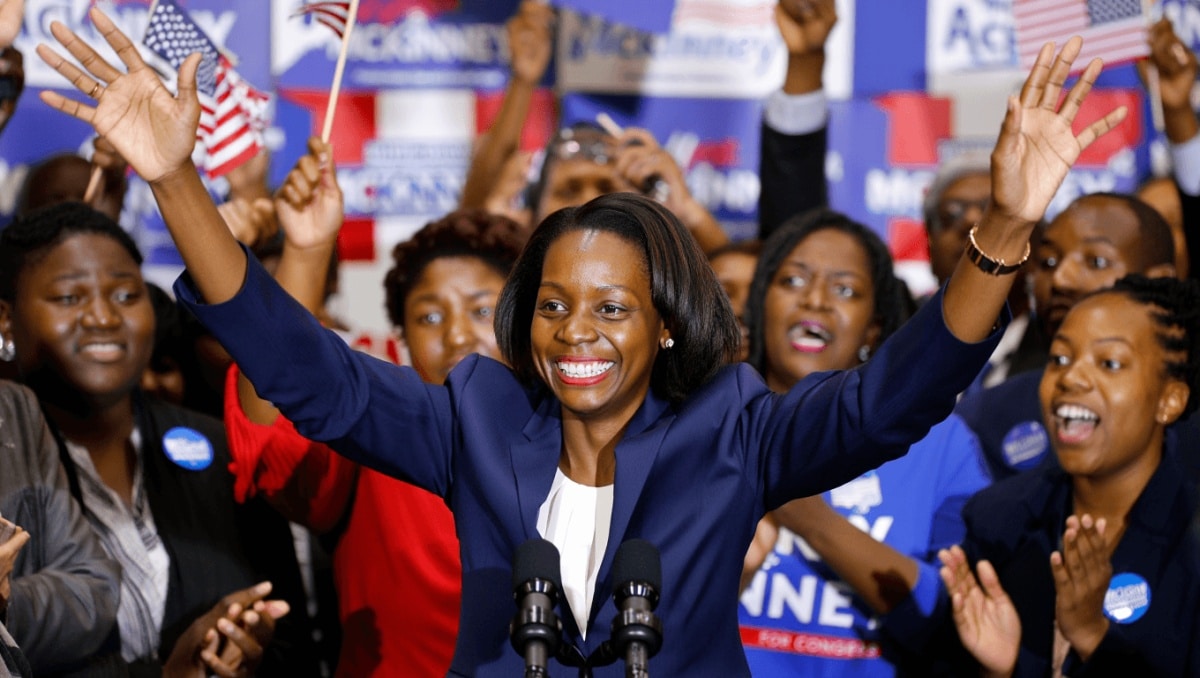
State Rep. McKinney stunned Detroit voters by defeating incumbent Shri Thanedar in Tuesday’s Democratic primary for the 13th Congressional District, a result that all but guarantees the majority-Black city will again be represented by an African American in Congress. The outcome reshapes the fall race in a heavily Democratic district and raises fresh questions about local priorities and representation.
Polls and local conversations suggested the race was about more than personalities: many voters said they wanted a voice in Washington that felt rooted in Detroit’s communities. Outside Henry Ford High School, several residents described their vote in terms of identity and responsiveness rather than ideology.
Voter sentiment on the ground
Boxing champions ditch long runs for high-intensity training: new era in fight prep
Czech nationals among victims of Pinedale-area crash: two confirmed dead
Some voters told reporters they preferred McKinney because they felt Thanedar had not sufficiently addressed Black residents’ concerns over the past four years. Others said they were drawn to McKinney’s promise to restore local leadership that reflects the city’s demographic makeup.
Not every ballot was cast purely on race. A number of respondents emphasized competence and track record—saying they wanted the “best person” to represent Detroit’s interests in Congress.
- Local representation: McKinney’s victory signals a return to Black representation for a city that has long made race and community ties central to its congressional politics.
- General election outlook: McKinney will face Republican Taras Nykoriak in November in a district where Democrats hold a substantial edge.
- Policy and priorities: The result will likely refocus debate on issues such as municipal investment, public services and jobs—areas residents repeatedly cited as immediate concerns.
Where the campaign diverged
McKinney framed his campaign around restoring “the right leadership” for Detroit, arguing the city needed a representative who understood its history and current struggles. In ads and public remarks, he criticized Thanedar for relying on heavy personal spending and suggested that connection to the community mattered more than campaign dollars.
Thanedar, a businessman-turned-politician who once sold a chemical-testing company for about $20 million and poured significant funds into earlier statewide bids, acknowledged the loss on social media and pledged to cooperate with a transition. His tenure in Congress drew attention for unconventional moves, including introducing articles of impeachment against former President Donald Trump in April 2025—an action that surprised some colleagues given Trump’s prior two impeachments.
Thanedar first rose to statewide visibility after spending heavily in a 2018 gubernatorial primary and then securing a seat in the state legislature in 2020. He won the 13th District nomination amid a crowded primary the following year when a rival’s petition challenge removed that candidate from the ballot.
Historical context
Detroit’s congressional delegation has been tied closely to Black political life for decades. Before Thanedar’s tenure, the city had long been represented in Congress by Black lawmakers stretching back to the mid-20th century, a continuity that many voters cited when explaining why representation matters to them today.
Political observers in Detroit noted the race exposed tensions between dollars and community ties, and between national profile and local service. Adolph Mongo, a Detroit commentator, said some residents saw Thanedar as not delivering for Black constituents, while McKinney’s supporters emphasized neighborhood engagement.
With the primary decided, attention now turns to the general election, where turnout and local organizing will determine whether McKinney can convert the district’s Democratic lean into a decisive November victory.