
Show summary Hide summary
A cluster of developments across the Middle East on Sunday sharpened concerns about regional escalation and the safety of vital shipping lanes: Israel publicly rejected a proposed agreement linked to Gaza, Houthi forces struck a government-held Red Sea port and an Aramco facility, Iran reshuffled its top national security post, and Tehran and Oman moved closer to a temporary arrangement for the Strait of Hormuz. Each move raises immediate questions for maritime trade and the broader diplomatic path forward.
Netanyahu refuses pullback before Hamas is disarmed
Israeli Prime Minister Benjamin Netanyahu told ministers that his government will not order a troop withdrawal from Gaza until the militant group Hamas is disarmed, rejecting a multi-point paper circulated by mediators. He repeated that Israel’s forces will remain in place until concrete steps toward demilitarization are visible.
Boxing champions ditch long runs for high-intensity training: new era in fight prep
Czech nationals among victims of Pinedale-area crash: two confirmed dead
The assertion comes as Israeli troops retain control of large swaths of the Gaza Strip, an area already devastated by months of fighting. Washington has been involved in shuttle diplomacy, and U.S. officials have publicly discussed staged steps toward a reduction in Israeli forces tied to progress on disarmament, but Netanyahu signaled he will not accept any timetable that does not meet his conditions.
Hamas political figures said they expect mediators — including the United States — to press Israel to accept a plan, while the fragile ceasefire that has largely held since the October 2023 escalation remains under strain.
Houthi attacks widen threat to Red Sea shipping
Yemen’s Iran-backed Houthi rebels launched a second strike on the port city of Mocha late Sunday, and claimed a separate drone attack on a Saudi Aramco refinery in Jazan. The Yemeni government reported that missile and drone strikes hit residential areas and port infrastructure, causing deaths and injuries and damaging commercial supplies.
Mocha, operated by Yemen’s internationally recognized authorities and used as an alternative to the Houthi-held port of Hodeida, suffered damage to piers and warehouses, according to local officials. The National Resistance Forces, aligned with the government, said at least seven people died in an earlier attack and scores were wounded.
The Saudi Energy Ministry confirmed a fire at an Aramco facility but reported no casualties. The strikes raise the risk of further disruption to one of the world’s busiest shipping corridors and threaten the fragile truce that had reduced active large-scale fighting since 2022.
New head of Iran’s security council as tensions persist
Tehran appointed Mohsen Rezaei to lead its Supreme National Security Council, marking another leadership change at the center of Iran’s security and foreign-policy decision-making. Rezaei, a former commander of the Islamic Revolutionary Guard Corps and a longtime adviser to the supreme leader, replaces Mohammad Bagher Zolghadr, who will move into a senior advisory role.
The council is an influential body coordinating Iran’s wartime strategy and diplomatic posture. The turnover comes amid losses among senior figures in the conflict and as Tehran asserts tighter control over regional maritime access.
Tehran and Muscat near a temporary deal on the Strait of Hormuz
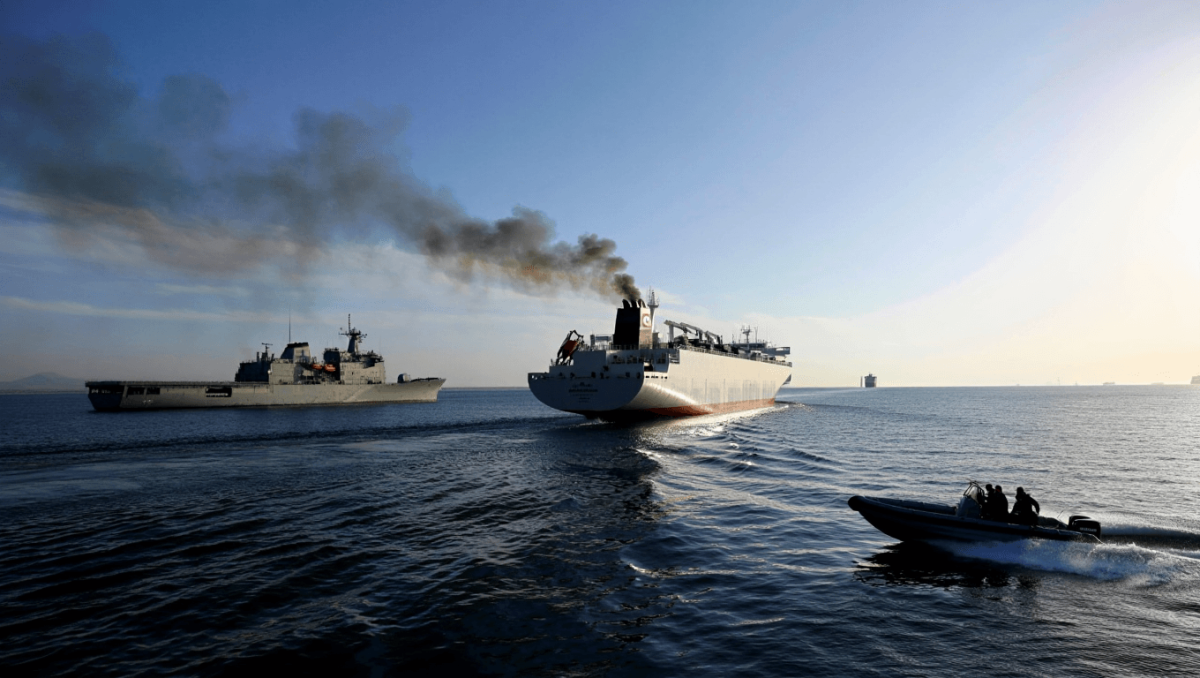
Officials familiar with the negotiations said Iran and Oman are finalizing a short-term arrangement to resume limited transit through the Strait of Hormuz, with ships entering on the Iranian side and exiting near Oman without fees during the interim period. The plan — reportedly backed by Gulf states and expected to involve the U.N. International Maritime Organization and the United States in a joint announcement — remains subject to change.
However, Iranian lawmakers signaled restrictions: transits by vessels linked to what Tehran calls “hostile countries” could be banned until those states make reparations for perceived damages. Iran’s foreign ministry emphasized that an exchange of messages with the U.S. continues, but said full diplomatic talks cannot resume until certain conditions are met and prior violations are addressed.
- Immediate risk to shipping: Repeated Houthi strikes and tighter Iranian control of the Hormuz corridor could further disrupt oil and container traffic through the Red Sea and Gulf.
- Diplomatic friction: Israel’s rejection of the mediator paper complicates efforts to convert ceasefire diplomacy into a lasting settlement in Gaza.
- Regional escalation: Leadership changes in Tehran and reciprocal strikes raise the possibility of broader military responses.
- Economic consequences: Any prolonged closure or restricted transit through the Strait would push up freight costs and energy-market volatility.
- Watch points: announcements from Washington, Muscat, and the International Maritime Organization; further Houthi strikes; and statements from Israeli and Palestinian leaders.
Why this matters now
These developments intersect at two pressure points: the immediate security of sea lanes that carry a large share of the world’s oil and commerce, and the fragile political arrangements intended to stop — or at least limit — wider war. A short-term maritime agreement could ease commercial pressure, but restrictions on flagged vessels and uncompromising political demands make any reopening contingent on swift, delicate diplomacy.
Expect international actors to press for clarity in the coming days. Any unilateral steps — military or legal — by regional powers or shipping companies will alter the balance quickly, with knock-on effects for global markets and humanitarian access to Gaza.