Show summary Hide summary
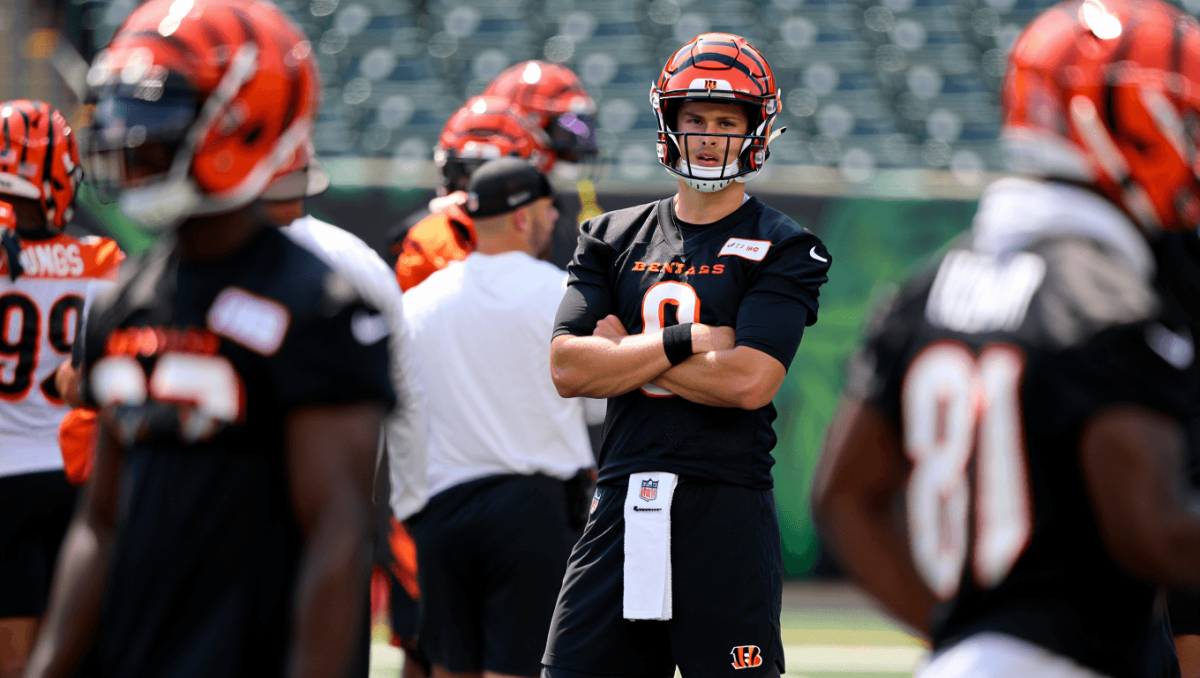
The Cincinnati Bengals enter training camp with a markedly different roster and heightened expectations — and little room for excuses. After a disappointing 6–11 season in 2025, the franchise’s heavy investment this spring makes the upcoming 2026 campaign a clear test of whether talent upgrades translate into playoff success and, ultimately, a championship.
Last year’s injury to Joe Burrow and a defense that underperformed left fans and analysts questioning the team’s direction. Management responded decisively: a spate of veteran signings, a headline-grabbing trade to shore up the interior defensive line, and a contract restructuring that freed meaningful cap space. Those moves change the narrative — but they also raise the stakes for coaches and players now expected to deliver.
What changed in the offseason
Boxing champions ditch long runs for high-intensity training: new era in fight prep
Czech nationals among victims of Pinedale-area crash: two confirmed dead
The Bengals moved away from their historically cautious personnel strategy and prioritized immediate upgrades. The front office targeted proven defenders and youth on the edge, creating both depth and a more diverse pass-rush plan. In doing so, Cincinnati signaled it is pushing aggressively to maximize Burrow’s prime window.
- Veteran defensive additions: Several experienced playmakers were signed to bring leadership and reliability to a previously porous defense.
- Big trade for the interior: The team acquired a high-impact defensive tackle to anchor the front four and added a one-year extension to keep him beyond 2027.
- Edge rotation rebuilt: With a former top rusher gone in free agency, the Bengals assembled a committee mixing speed and athleticism to create consistent pressure.
- Contract move for flexibility: A restructured deal for Burrow created roughly $10 million of extra cap room to finance the upgrades without mortgaging the future.
Those items are not merely roster tweaks. They reflect a shift in organizational posture: from incremental tinkering to a win-now posture that accepts short-term cost for immediate performance gains.
Defense: depth over a single star
When a longtime pass-rush leader left in free agency, Cincinnati pivoted from building around one dominant edge rusher to layering complementary attackers. The new personnel mix blends veteran speed with rookie explosiveness — a strategic bet by defensive coordinator Al Golden that consistent pressure can be manufactured through rotation rather than depending on one player to create momentum.
The roster now features a blend of established veterans and recently drafted athletic prospects who are expected to form a multi-headed pass-rush group alongside existing first-round talents. That approach should help with situational matchups and keep defenders fresh late in games, but it requires quick chemistry and disciplined technique to be effective.
Burrow’s role and the leadership question
For Joe Burrow, the offseason additions remove some of the old excuses. He has repeatedly expressed confidence in the upgraded roster and has embraced pressure as a catalyst for performance, framing heightened expectations as motivation rather than burden. With the organization committing more resources to the roster, the onus is now on Burrow and the coaching staff to convert talent into wins.
Head coach Zac Taylor described offseason work as productive, saying the team met its preparatory goals and appears ready to implement its schemes. Those are encouraging signals, but long-term outcomes will hinge on player health, in-game adjustments and how quickly new pieces integrate.
How to read the stakes
The 2026 season is being cast internally as a decisive moment: a chance to translate heavy roster investment into the franchise’s first Super Bowl title in its 59th season. That ambition is realistic in the sense of roster construction, but it increases scrutiny on everything from special teams to depth chart decisions.
Key questions to monitor as the calendar flips to the regular season:
- Can the revamped defensive front produce consistent pressure without sacrificing gap integrity?
- Will Burrow remain healthy across a full season after missing significant time last year?
- How quickly do new veteran leaders and young edge talents gel under game conditions?
- Does the front office sustain this level of investment if immediate results are mixed?
Ultimately, Cincinnati’s offseason represents a clear vote of confidence in its current window. The next metric of success will be measurable on Sundays: fewer lapses on defense, a durable and productive offense led by Burrow, and a roster capable of closing tight games. Training camp will show whether those pieces fit together — and whether this bold offseason gambit was enough to tilt expectation into reality for the 2026 season.