
Show summary Hide summary
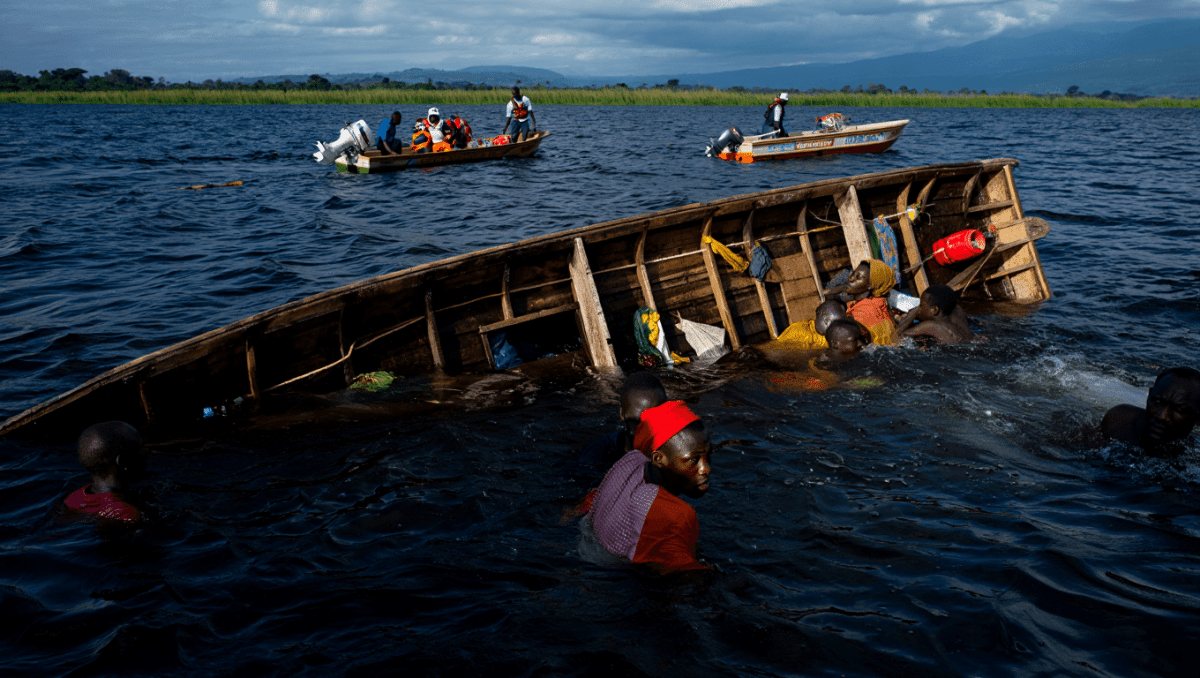
At least 21 people are missing after a passenger boat capsized on Lake Kivu in the eastern Democratic Republic of Congo, officials reported. Rescue teams and local volunteers have been searching the water amid concern for families who depended on the vessel for travel and commerce.
Authorities say the incident happened as the boat was crossing between lakeshore communities, but a full account of the causes is not yet available. Emergency services responded quickly, dispatching boats and coordinating local search efforts while urging residents to help with information about passengers and the vessel’s manifest.
Search and immediate fallout
Search operations have focused on the area where the craft went down, with teams combing the shoreline and open water. Relatives of those aboard gathered at landing sites, seeking news and offering names to aid the effort.
Boxing champions ditch long runs for high-intensity training: new era in fight prep
Czech nationals among victims of Pinedale-area crash: two confirmed dead
Officials caution that outcomes are still uncertain. Recovery work on inland lakes can be slow and dependent on weather, water conditions and available equipment. For now, hopes remain for survivors, but communities are bracing for the possibility of casualties.
Local leaders and humanitarian groups have begun coordinating basic support for affected families, including accounting for the missing and arranging temporary assistance for those forced to cancel plans or lose livelihoods tied to the crossing.
Why this matters now
Lake Kivu is a vital transport route for people and goods in the border region. When a ferry or small boat is lost, the impact ripples through tightly knit lakeshore communities — delaying trade, disrupting school and health access, and placing immediate pressure on already limited local services.
- Human impact: Families face uncertainty about loved ones and possible loss of income.
- Public safety questions: The accident highlights enforcement gaps for boat capacity, maintenance and life-saving equipment.
- Operational strain: Rescue and recovery depend on modest local resources, so official response speed varies widely.
- Regional implications: Disruptions on Lake Kivu affect cross-border movement and local trade networks.
Early accounts point to common risk factors for inland-water accidents — including overcrowding, sudden weather shifts and limited safety gear — but investigators are still gathering facts. A formal inquiry will be needed to determine the precise sequence of events and any legal or regulatory failings.
What to watch next
Officials and relief actors say the situation will be clearer when search teams finish their sweeps and authorities release a consolidated passenger list. In the coming days, attention will focus on:
- Confirmation of survivors or casualties and the number of people ultimately accounted for;
- Findings from any official probe into the cause of the capsizing;
- Efforts to provide support to families and to reinforce water-safety measures in lakeside communities;
- Weather forecasts and how they affect ongoing search operations.
For now, local officials appeal for calm and practical assistance, including small boats, divers where available, and reliable reports about who boarded the vessel. The region’s reliance on lake transport makes timely, transparent updates essential to both the search and to preventing future tragedies.