Show summary Hide summary
Few expected fireworks when Curtis Blaydes met Josh Hokit at UFC 327, but the heavyweight encounter delivered a gritty, nonstop contest that could alter the division’s short-term trajectory. The fight’s intensity and implications — from rankings movement to matchmaking — are already shaping conversations about where the heavyweight picture goes next.
Josh Hokit: rapid ascent and public controversy
Josh Hokit arrived in the Octagon with a short but fast-building MMA résumé and a history that crosses collegiate wrestling and professional football. A standout at Fresno State, Hokit later pursued the NFL as an undrafted free agent before pivoting to mixed martial arts, where a string of quick finishes earned him attention across regional promotions and on Dana White’s Contender Series.
Boxing champions ditch long runs for high-intensity training: new era in fight prep
Czech nationals among victims of Pinedale-area crash: two confirmed dead
The signals he sends outside the cage have been as loud as his results. Hokit’s promo style and a series of offensive remarks — including a racial slur and provocative comments aimed at public figures — have drawn widespread criticism and media coverage. Still, his recent run of stoppages made him a difficult fighter for UFC matchmakers to ignore.
Curtis Blaydes: wrestling base under scrutiny
Curtis Blaydes carries the credentials of a high-level collegiate wrestler and a long UFC track record, but his approach has often divided fans. Blaydes’ strength is control: takedowns and pressure that can dominate opponents on the mat. For viewers seeking stand-up drama, that style has sometimes felt methodical rather than electrifying.
Results have been mixed on the biggest stages. High-profile defeats and losses by stoppage left questions about Blaydes’ durability and strategic adaptability — critiques that resurfaced whenever stakes rose. Still, his wrestling fundamentals made him a durable and dangerous opponent for any contender.
The fight itself: an unexpectedly brutal back-and-forth
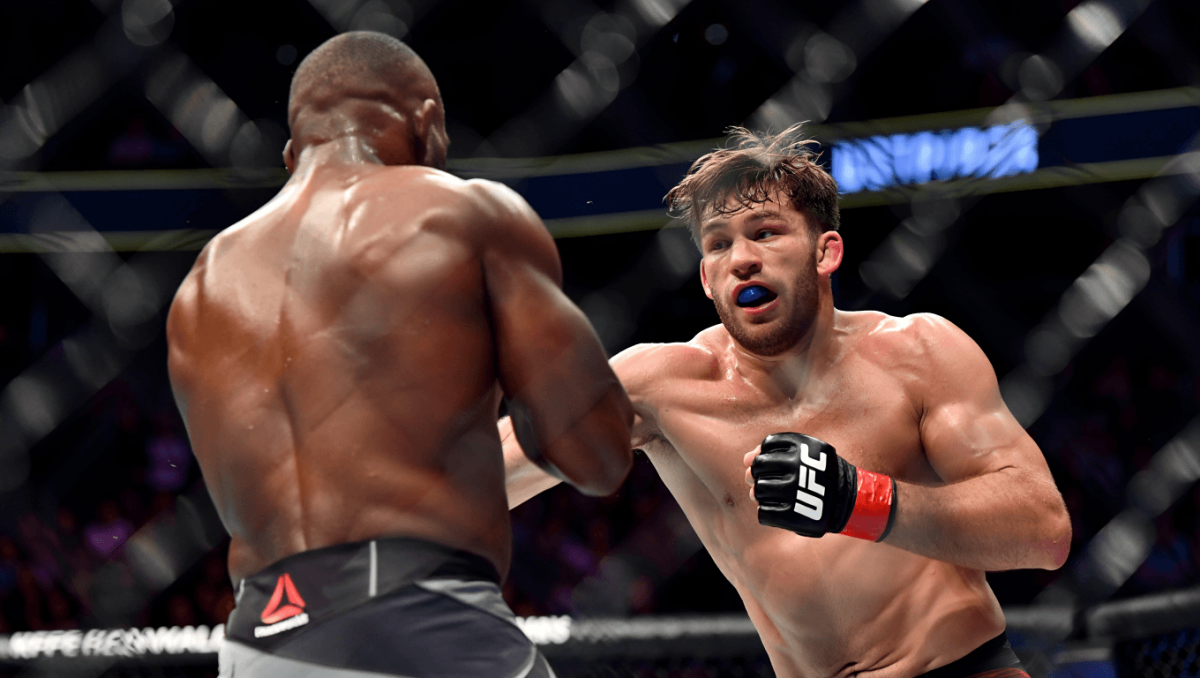
Predictions fell into two camps before the bell: Hokit would finish early, or Blaydes would grind out a wrestling-led decision. What unfolded was neither tidy nor predictable — a 15-minute scrap in which both fighters had moments of control, moments of peril and repeated momentum swings.
The fight oscillated: Hokit threatened with quick striking and early pressure, while Blaydes repeatedly returned to his wrestling to stall and score on the fence. Each man landed shots that visibly rocked the other; each survived moments that could have ended the contest. Effort and refusal to yield kept the bout alive until the judges rendered a decision.
- Winner: Josh Hokit — secured the decision after a closely contested three rounds.
- Style clash: striking aggression vs. wrestling control produced sustained drama rather than a one-sided affair.
- Division impact: the result pushes Hokit into higher-profile matchups; Blaydes remains relevant but must answer strategic questions.
Why this result matters now
The heavyweight division has lacked clarity: inactive contenders, uneven matchmaking and a dearth of consistently thrilling fights have made rankings porous. This bout injected urgency and spectacle into that landscape.
For Hokit, the win is likely to accelerate his path to marquee bookings; reports already link him to a matchup with a veteran opponent on an upcoming high-profile card. For Blaydes, the performance showed competitiveness but also left open tactical criticisms that analysts and matchmakers will weigh when arranging his next step.
Beyond rankings, the fight mattered because it answered a broader question fans had about heavyweights: can two well-matched athletes sustain an exciting, full-length contest at the top end of the sport? This one did, repeatedly trading initiative and forcing viewers to recalibrate expectations.
Key takeaways
- Entertainment value: A full three-round heavyweight bout that sustained momentum and shifted perceptions of the division’s potential for drama.
- Hokit’s positioning: The victory gives him leverage for bigger fights and more prominent billing despite his off-cage controversies.
- Blaydes’ outlook: Still a contender, but persistent questions about finishing ability and strategic choices remain.
- Division consequences: Promoters now have a fresh, marketable matchup thread to work with as they attempt to rebuild interest in the heavyweight landscape.
This was not the polished showcase some had hoped for, nor the predictable outcome many expected — it was a raw, visceral fight that heavyweight MMA needed. Whether it becomes a defining moment of the year will depend on how both men respond in their next appearances and how the UFC builds on the momentum this night created.