Show summary Hide summary
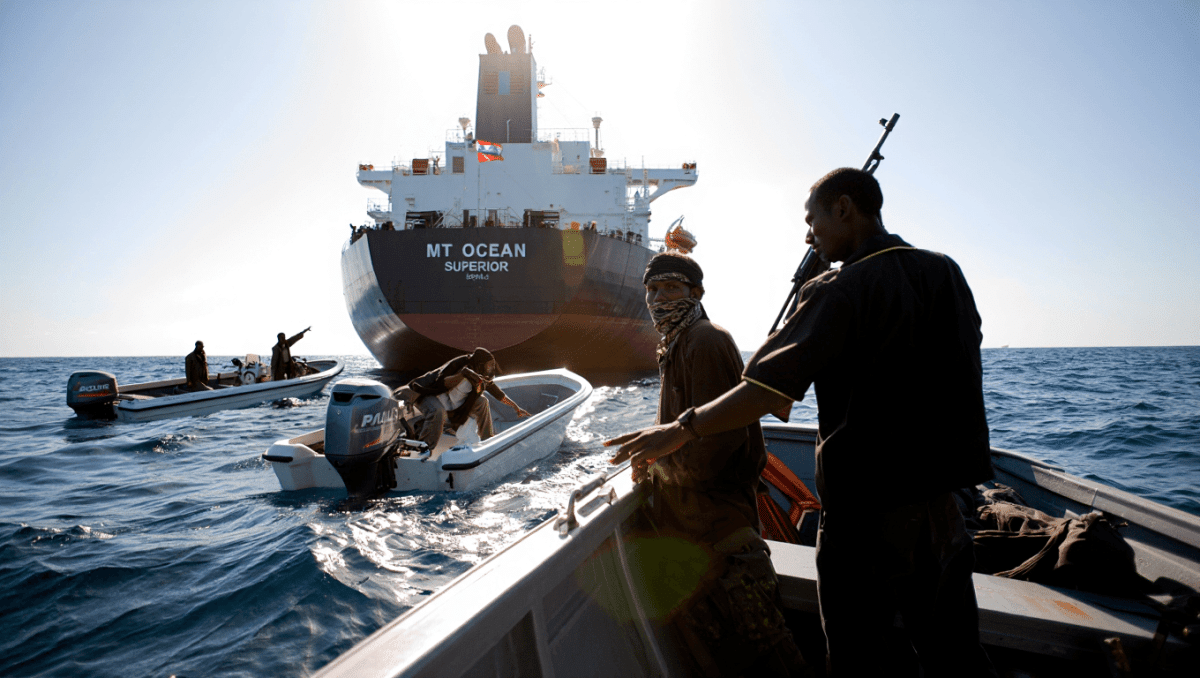
Suspected Somali pirates have seized an oil-carrying vessel that was heading for the capital, raising fresh concerns about maritime safety and fuel deliveries in the region. Authorities say the incident occurred today off Somalia’s coast and could disrupt shipping lanes already under close watch by regional navies.
Local officials have confirmed the ship was intercepted en route to the capital, but details remain limited. There has been no immediate official word on the number of crew members, the ship’s flag, or the exact cargo volume, and investigations are still under way.
What is known so far
Boxing champions ditch long runs for high-intensity training: new era in fight prep
Czech nationals among victims of Pinedale-area crash: two confirmed dead
The early information released by port and maritime authorities is sparse. What maritime monitors and shipping sources report so far suggests the vessel was taken while approaching territorial waters, a scenario that typically prompts rapid coordination between coast guard units and international patrols.
- Type of incident: Suspected hijacking by armed actors at sea
- Vessel: Described as an oil-carrying ship bound for the national capital
- Location: Off the Somali coast, near approaches used by commercial traffic
- Immediate status: Authorities have opened inquiries; formal updates are pending
Why this matters now
Even a single seizure can have ripple effects. Ships may be rerouted to avoid hotspots, tightening supply chains and raising operating costs for carriers and shippers. For consumers, delays in fuel deliveries could translate into short-term price volatility in urban markets that rely on regular shipments.
Maritime insurance and security providers typically respond to such incidents by advising vessels to alter routes, increase onboard security, or wait for naval escorts. The presence of a hijacked oil vessel also heightens environmental and safety risks if the situation escalates.
Regional response and long-term implications
Past incidents off Somalia have drawn responses from a mix of national coast guards, regional navies and international maritime organizations. Those actors often focus on de-escalation, crew safety and securing the vessel before attempting recovery operations. Diplomats and shipping consortiums may push for enhanced patrols or corridor protections after an event like this.
Longer term, recurring attacks can lead to higher freight and insurance costs, encouraging shippers to either pay for added security or adopt longer, costlier routes. That dynamic can slow trade and raise prices for goods that depend on maritime transport.
For now, officials are expected to issue further statements as they confirm the ship’s identity, the status of its crew, and any demands or communications from the hijackers. International maritime advisories will likely be updated to reflect new risk levels in the area.
- What to watch next: official statements from Somalia’s maritime authority, updates from the ship’s flag state, and notices from international maritime organizations.
- Potential local impact: temporary disruptions to fuel supply in the capital if the vessel cannot be replaced or rerouted promptly.
- Broader consequence: renewed attention on security measures and cost pressures for regional shipping.
Authorities and shipping lines will be monitored for further developments. We will update this report as more verified information becomes available.