Show summary Hide summary
Wyoming has moved from prospecting to project planning in the space of a few years, and the shift now puts the state at the center of a national debate over where to host used reactor fuel and other radioactive materials. Recent industry proposals and state outreach to federal programs have intensified a local conversation about safety, jobs and long-term stewardship.
What’s happening now
Energy companies and state economic agencies are actively promoting Wyoming as a hub for new nuclear activity. A high-profile demonstration reactor selected a site in the state, and plans by developers to build next-generation reactors or microreactor manufacturing facilities have prompted state officials to seek partnerships with the Department of Energy on fuel-cycle research campuses.
Those moves have reopened the long-standing question: if reactors are built in Wyoming, where will spent nuclear fuel end up — left onsite temporarily, sent to a federal repository, or stored long term within the state?
Boxing champions ditch long runs for high-intensity training: new era in fight prep
Czech nationals among victims of Pinedale-area crash: two confirmed dead
Local reactions: cautious interest and sharp resistance
Some state leaders and regional economic groups emphasize potential benefits: new construction and manufacturing jobs, revival of uranium-related commerce and a renewed role in the national fuel supply chain. Supporters argue advanced reactor designs and modern fuel forms add safety layers that did not exist in earlier generations.
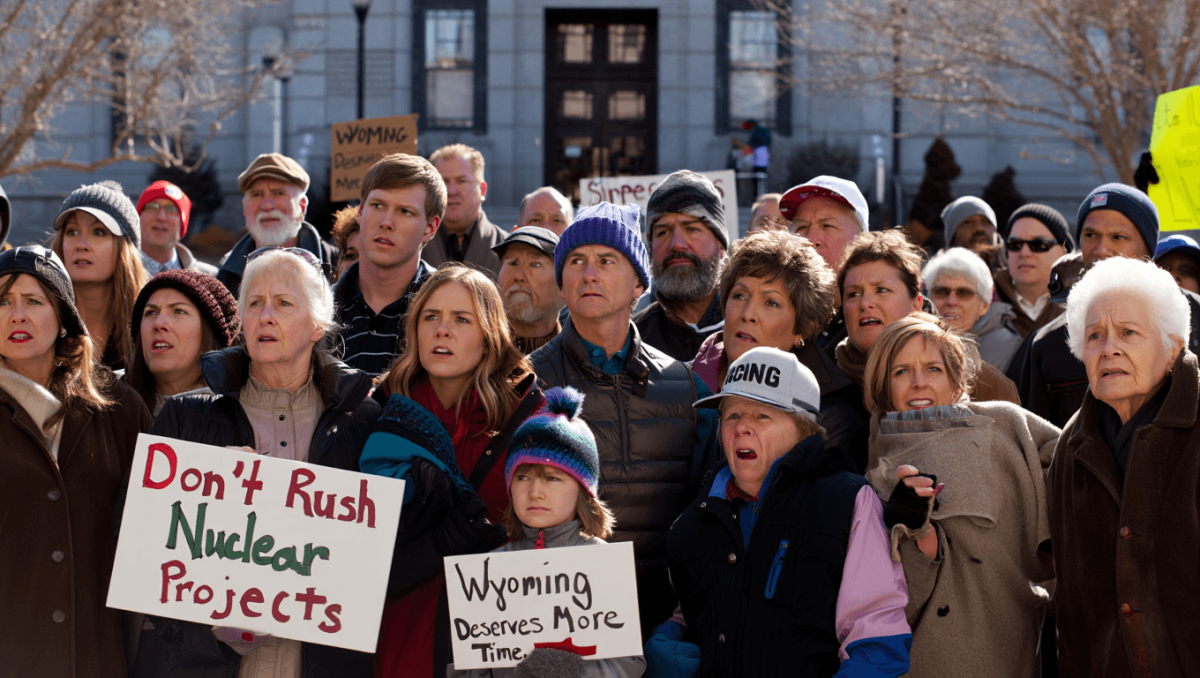
But community response is far from unanimous. Tribal representatives, environmental advocates and homeowners in counties near proposed projects warn that decades of mining and milling in the West left enduring contamination and social disruption. For many residents the memory of polluted water and shuttered towns makes any promise of economic payoff hard to trust.
Technology and regulation — evolving fast
Proponents note that many of the reactor concepts now being pitched have been tested in laboratory or experimental settings and incorporate newer coolants and fuel cladding designed to limit accident risks. Still, the ultimate fate of used fuel — whether reprocessed, consolidated at a national site or stored at multiple locations — remains uncertain.
At the same time, federal oversight is in flux. Recent regulatory initiatives aim to accelerate licensing and streamline permitting for advanced reactors and related facilities. Industry analysts warn that rulemaking changes could arrive quickly, reshaping the timeline for projects and the degree of local input in siting decisions.
Why this matters to Wyoming residents
Decisions made now will affect communities for generations: the management of radioactive byproducts, the trajectory of local economies and the trust between governments and citizens. The debate intersects with broader national priorities on energy security and climate goals, but its local consequences are immediate and practical.
- Health and environment: Long-term containment of radioactivity and legacy contamination remain top concerns for nearby towns and tribal lands.
- Economic trade-offs: Jobs and tax revenue versus potential impacts on agriculture, tourism and real estate.
- Regulatory certainty: Who sets standards, how quickly rules change and who enforces them.
- Community consent: Whether affected populations feel informed and able to withhold or grant approval.
- National role: Whether Wyoming becomes a manufacturer and repository in a revived domestic nuclear supply chain.
Questions communities are asking
Residents and local leaders repeatedly return to a handful of practical queries: who bears financial and legal responsibility if contamination occurs; how long waste would remain onsite; whether federal repositories will ever be built; and how tribal nations and rural counties will be compensated or consulted.
These are not questions with quick answers. Past federal efforts to centralize U.S. nuclear waste have stalled for decades, underscoring how difficult it is to find local consent for long-term storage even when national policy favors consolidation.
What comes next
Expect continued public meetings, legislative proposals and outreach from both industry and federal agencies. Some developers have scaled back or withdrawn plans after facing local opposition, while others are pressing ahead as regulators move to shorten approval timelines.
For now, the debate in Wyoming is less about abstract energy policy and more about concrete trade-offs: immediate economic opportunities versus the prospect of a long-term responsibility to manage radioactive materials. How communities weigh those trade-offs will determine whether the state’s role in the next generation of nuclear energy is limited to mining and manufacturing, or expands to include storage and stewardship.