Show summary Hide summary
Wyoming lawmakers declined this week to immediately revisit the state’s electoral boundaries after the secretary of state urged a review following a recent U.S. Supreme Court decision narrowing the use of race in map-drawing. The choice leaves intact contested county and legislative maps that tribal leaders say protect Native voting power, while setting the stage for a longer legal and administrative debate before the 2032 redistricting cycle.
Lawmakers favor caution over immediate change
At a meeting of the Legislature’s Joint Corporations, Elections and Political Subdivisions Committee in Lander, most members signaled they preferred to delay any action. Several legislators argued that altering lines now could create more complications than it would solve and recommended waiting until the formal redistricting process begins later this decade.
Committee chair Sen. Cale Case, who represents parts of the Wind River Indian Reservation, urged a measured approach, noting Wyoming’s last redistricting spanned more than a year. Others said revising a single House seat would force adjustments across the entire map.
Boxing champions ditch long runs for high-intensity training: new era in fight prep
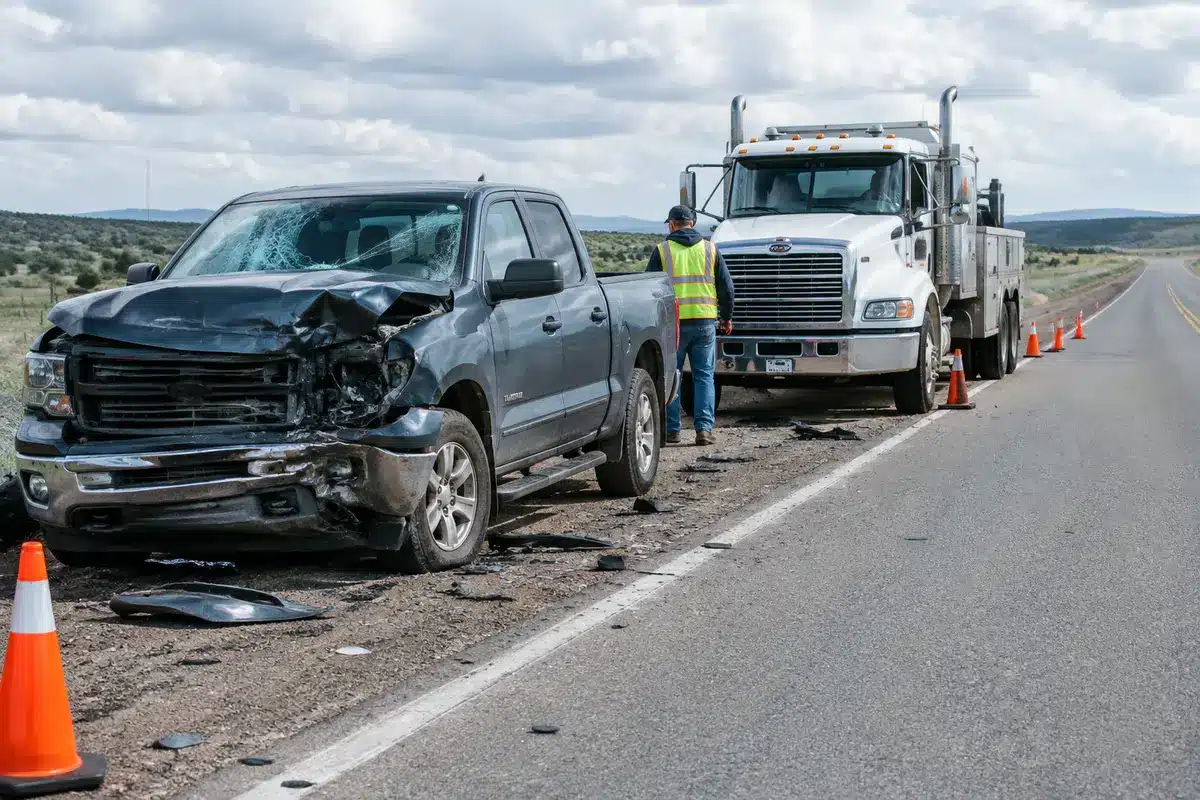
Czech nationals among victims of Pinedale-area crash: two confirmed dead
Rep. Mike Yin, who reviewed the maps after the secretary’s request, told colleagues he found the existing legislative plans to be in compliance with current legal standards and urged the committee to move on to other priorities.
What prompted the request — and the pushback
Secretary of State Chuck Gray wrote to the Fremont County Commission and the governor asking for a reexamination of maps after the U.S. Supreme Court’s recent decision in Louisiana v. Callais, which tightened limits on using race as a factor in drawing districts. Gray singled out the county’s commissioner districts and House District 33, which includes the reservation and is represented by Rep. Ivan Posey, the Legislature’s only Indigenous member.
Business councils for the Eastern Shoshone and Northern Arapaho criticized the request as an attack on Native voting power. Several residents and tribal leaders who testified at the meeting urged lawmakers not to disrupt maps they say were drawn to respect tribal sovereignty and established communities of interest.
Those opposing immediate change pointed to the 2010 federal court decision in Large v. Fremont County, which found Fremont County’s prior at-large commission elections diluted Native votes and required a district-based system to protect those voters — a change that remains in place today.
The committee’s practical options
Members discussed several possible responses to the secretary’s letter, ultimately opting for restraint. The principal choices included:
- Requesting a formal legal opinion from the Wyoming Attorney General’s Office before taking further steps.
- Delaying any revision until the 2030–2032 redistricting cycle, when census updates and a full map review are already scheduled.
- Pursuing immediate map changes at the county level, such as restoring an at-large commission, a move opposed by tribal councils and some former officials.
- Calling for broader public input and hearings to weigh the constitutional and community implications before any adjustment.
Several speakers, including a former Fremont County commissioner involved in the earlier litigation, urged the committee not to rush into a decision and to consider the legal and community complexity involved.
Why this matters for 2032
Behind the policy debate is a technical but consequential administrative task: updating census blocks that will underpin the 2032 legislative maps. The Legislative Service Office briefed the committee on ongoing work with federal authorities to revise those smallest building blocks of census geography so lawmakers can draw districts that reflect new roads, developments and population shifts.
Because redistricting is zero-sum—altering one seat ripples across others—lawmakers warned that piecemeal changes now could force widespread reconfiguration later. The governor’s office has forwarded the secretary’s letter to the Attorney General for review, and no decision has been announced about whether the state will pursue immediate legal or legislative changes.
The committee agreed to revisit the subject at a future meeting, but for now Wyoming’s maps — including the county commissioner districts set after the federal ruling and the Legislature’s House District 33 — remain unchanged while questions about legal interpretation and community impact play out.