Show summary Hide summary
A group of more than 70 Wyoming legal figures — including retired judges, former state officials and ex-top jurists — has asked Senators John Barrasso and Cynthia Lummis to oppose President Trump’s pick for U.S. attorney general, Todd Blanche. Their appeal centers on Blanche’s role in a disputed tax-case settlement that critics say raises serious ethical and independence concerns for anyone who would lead the Justice Department.
Who signed and why it matters
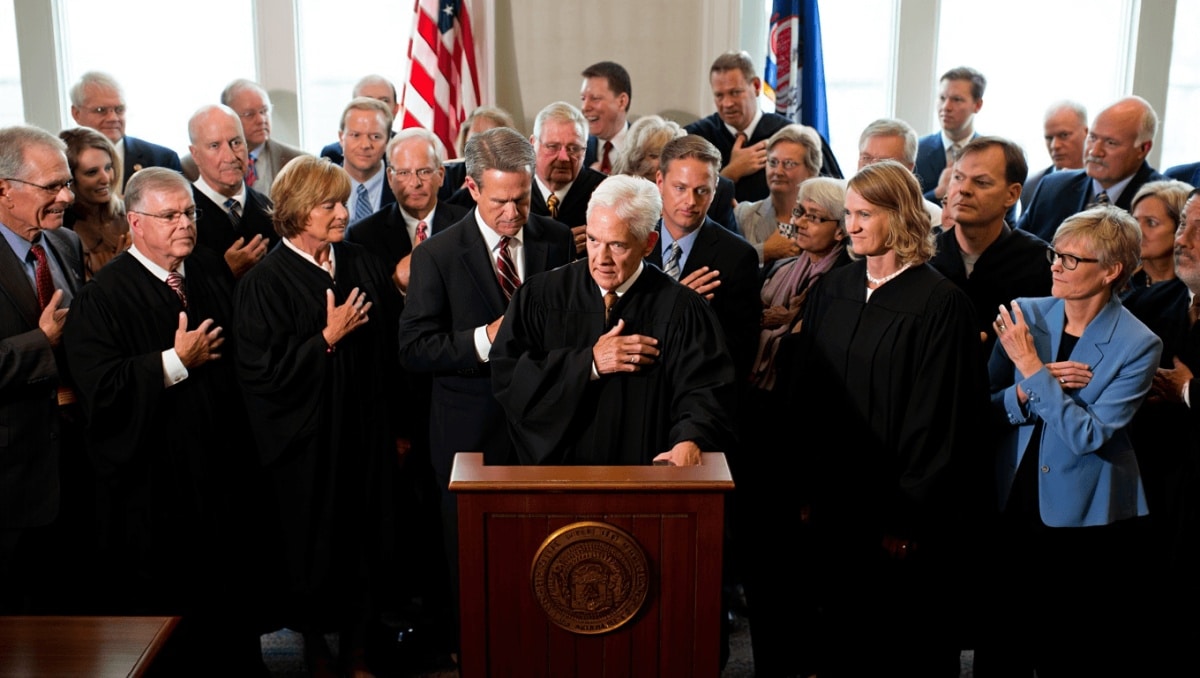
The letter, circulated in mid-July, was signed by an array of prominent state legal officials: two former chief justices of the Wyoming Supreme Court, Michael Golden and Michael K. Davis; three former Wyoming attorneys general; and multiple past presidents of the Wyoming State Bar. Among the former attorneys general listed are Patrick J. Crank and Gay V. Woodhouse.
Boxing champions ditch long runs for high-intensity training: new era in fight prep
Czech nationals among victims of Pinedale-area crash: two confirmed dead
Signers argue Blanche’s actions in a recent suit involving President Trump’s taxes show bad judgment and a willingness to put political considerations ahead of legal norms — qualities they say make him unfit to run the nation’s law-enforcement agency.
- Case at the center: The dispute grew out of Trump v. IRS, a lawsuit the president filed in January over leaked tax returns.
- Settlement and directives: The Justice Department’s late-May settlement created a roughly $1.776 billion “anti-weaponization” fund. Blanche signed a directive to establish that fund and followed with a memorandum that appeared to restrict the government from pursuing certain past tax claims tied to the president and his businesses.
- Judicial rebuke: On July 13, U.S. District Judge Kathleen Williams voided the settlement, saying the suit was pursued in bad faith and that the parties were not genuinely adversarial. Williams also asked the court clerk to notify bar authorities in New York and Washington, D.C., where disciplinary inquiries were already underway.
- Institutional pushback: The Wyoming letter points to a separate letter from more than 1,200 former Justice Department employees and an ethics objection from the New York City Bar Association as additional reasons to reject Blanche’s nomination.
- Procedural status: Blanche has served as acting attorney general since April, after the removal of Pam Bondi; he was formally nominated in June and testified before the Senate Judiciary Committee on July 15.
Senators from Wyoming respond
Neither Senator Barrasso nor Senator Lummis sits on the Judiciary Committee, but both will cast votes should the nomination reach the Senate floor. The Wyoming signatories have urged them to consider the letter’s conclusions when they decide.
Senator Lummis’s office did not directly address the judge’s findings in response to the letter, but a spokesperson said Blanche has performed “extraordinarily” in his acting roles and emphasized his record fighting what the spokesman described as legal actions targeting conservatives. The spokeswoman added that Senator Lummis has met with Blanche twice and intends to support confirmation.
Barrasso told local media that he and Lummis met with Blanche this week and discussed concerns raised by Wyoming’s legal community. He expressed confidence that, if confirmed, Blanche would uphold law-and-order priorities and be effective at the Justice Department.
What’s at stake
The dispute raises two central issues for senators weighing the nomination: whether an attorney who helped negotiate a controversial settlement can fairly oversee investigations that may touch on the president or his associates, and whether that attorney’s prior work for the president creates an unacceptable conflict of interest.
Supporters argue Blanche’s experience defending conservative clients makes him a vigorous protector of taxpayers and government integrity. Detractors say the settlement episode — and a judge’s finding that the case was not brought in good faith — undercuts any claim to impartiality.
Both viewpoints carry practical consequences: the attorney general directs federal prosecutions, sets enforcement priorities and supervises the department’s ethics standards. Senators must weigh those operational stakes alongside the competing public statements and pending professional inquiries.
When the Senate schedule moves the nomination to the floor, Wyoming’s delegation will be among those whose votes could determine the confirmation outcome.