Show summary Hide summary
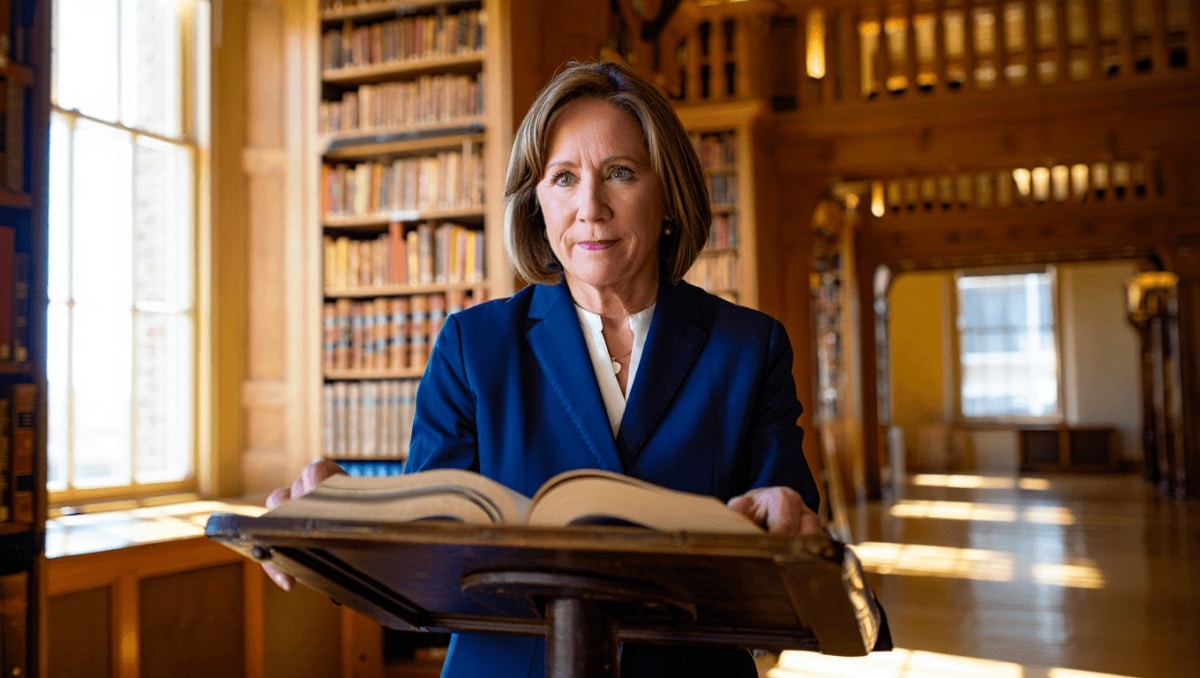
Wyoming’s frontier image—cowboys, open skies—often overshadows a less-told legacy: it was the first U.S. territory to extend full voting rights to women. That history is the focus of a recently released talk by historian Jennifer Helton, part of the Cheyenne Frontier Days Old West Museum’s America 250 Discover & Discuss program, which places local stories in the context of the nation’s 250th anniversary.
Why this history matters now
The newly posted recording refreshes a crucial episode in American democracy at a moment when voting rights and civic participation are again in public debate. By tracing who fought for the ballot in the West and how they did it, Helton’s talk reframes Wyoming not only as a symbolic first but as a practical laboratory for political change that had national consequences.
Helton, a Wyoming native who turned a lifelong curiosity into archival research, argues that understanding these local pioneers helps explain how access to the vote expanded—and what forces sustained or threatened that progress. The presentation weaves individual stories with broader civic patterns, inviting listeners to connect the past to current civic choices.
Boxing champions ditch long runs for high-intensity training: new era in fight prep
Czech nationals among victims of Pinedale-area crash: two confirmed dead
Key figures highlighted
- Esther Morris — Recognized as an early woman magistrate and an outspoken suffrage advocate whose actions in territorial politics helped set precedents for female civic leadership.
- Nellie Tayloe Ross — The first woman governor in U.S. history; her election demonstrated that women could hold executive office and shaped perceptions of women’s political competence.
- Lucy Phillips and Nancy Phillips — Among the earliest Black women recorded to cast ballots in Wyoming, their participation underscores the more complex racial and gender dynamics at play in Western suffrage history.
- Local influencers — Family networks and community leaders helped translate legislative change into everyday practice, from founding public institutions to organizing civic rituals.
Helton’s research highlights how these people and their networks made the abstract right to vote into something tangible across Wyoming towns and counties. The presentation is attentive to nuance: victories were real but uneven, shaped by local power, race, and the limits of territorial law.
What the museum is doing
The Cheyenne Frontier Days Old West Museum is using its America 250 exhibit to surface these stories, pairing artifacts with narrative displays that situate Wyoming within national moments. The exhibit also notes visits by six U.S. presidents to Cheyenne or Frontier Days, linking local memory to the broader arc of American public life.
For audiences who cannot visit in person, the museum has made several lectures available online, including Helton’s full presentation. These recorded talks extend the exhibit’s reach and create a public record of the state’s civic history.
In closing her talk, Helton read an admonition associated with Esther Morris: “I say do all the good you can while you do live.” The line frames the historian’s final point—past efforts opened doors that current citizens must steward if future generations are to inherit equal access to civic life.
Understanding Wyoming’s role in suffrage is not just a regional curiosity; it provides a case study in how political rights expand, the local actors who make that possible, and the persistent questions about who is included in democratic life. The recording offers both historical detail and a prompt: what responsibilities do communities hold today to preserve and extend those gains?