Show summary Hide summary
A powerful offshore earthquake this week tested the Philippines’ emergency preparations and, officials say, helped keep what could have been a far deadlier disaster from unfolding. Days after the 7.8-magnitude tremor struck near Sarangani province, authorities point to routine drills and early-morning timing as critical factors that limited casualties and confusion.
The quake, which occurred at 7:37 a.m. on Monday, damaged thousands of homes across southern farming towns and cities and sent strong aftershocks through a region of about 5 million people. Rescue and verification operations have refined the toll: **46 confirmed dead**, **38 reported missing** and at least **688 injured**, while more than **45,000 residents** were displaced and many remain in temporary shelters.
Local officials say the tally of the dead and missing fell after teams rechecked reports from affected areas. Still, emotional distress and the persistence of strong tremors have kept many families from returning to damaged houses.
Boxing champions ditch long runs for high-intensity training: new era in fight prep
Czech nationals among victims of Pinedale-area crash: two confirmed dead
What the numbers show
- Magnitude: 7.8, offshore near Sarangani province
- Fatalities: 46 confirmed
- Missing: 38
- Injured: At least 688
- Displaced: More than 45,000 people; roughly half still in shelters
- Homes damaged: Over 12,600
Video footage circulating on social platforms captured the chaos in real time: collapsing small structures, billowing dust and schoolyards filled with frightened children. In one widely shared clip from Mahayahay Elementary School in Malita, Davao Occidental, dozens of grade-schoolers can be seen crying and clutching their heads as the ground rocked. Teachers kept students seated or guided them to stay put until aftershocks eased. The school later reported no injuries.
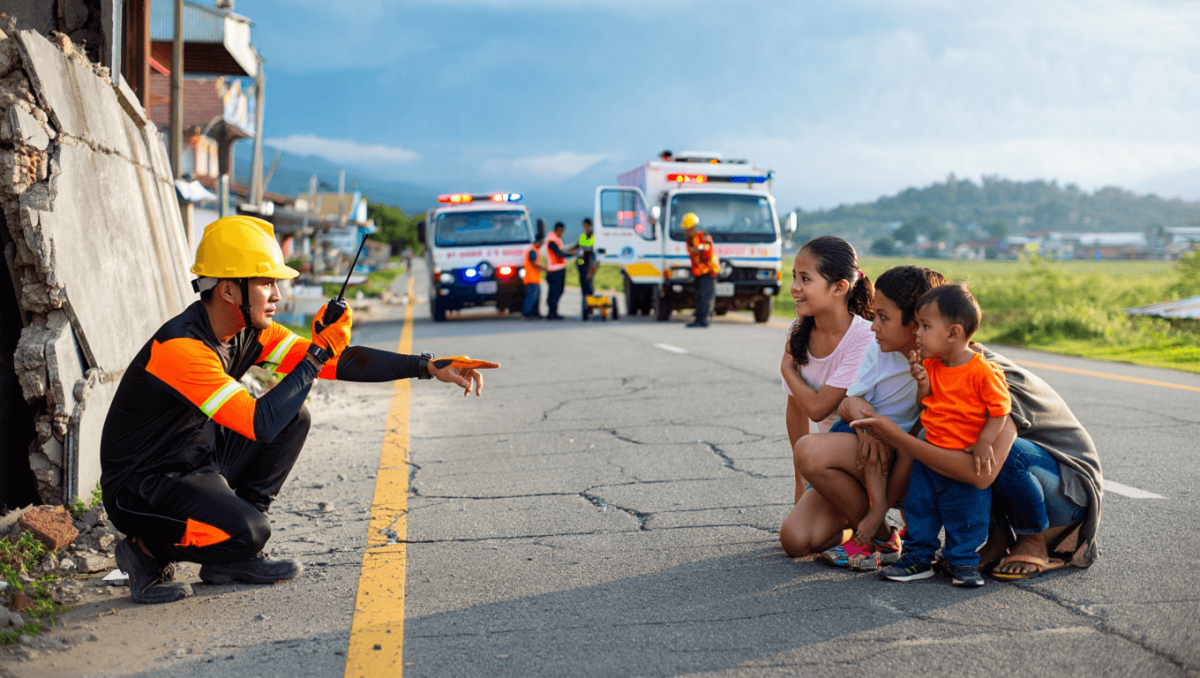
Officials from the Philippine Institute of Volcanology and Seismology (PHIVOLCS) and the Office of Civil Defense credit years of routine emergency exercises with helping communities react more calmly and quickly than they might otherwise have. PHIVOLCS director Teresito Bacolcol said public education on earthquake response — what to do when the ground shakes — appeared to reduce panic and improve outcomes during Monday’s event.
Office of Civil Defense regional director Ednar Dayanghirang noted that mandatory training for school principals and the formation of teacher-led disaster-response teams were part of the preparedness efforts that helped avoid deadly crowd crushes and other secondary harms.
Yet officials also expressed frustration about structural failures. Bacolcol warned that some collapsed buildings should have remained standing if modern construction standards had been observed, underscoring a recurring tension between preparedness drills and the need for safer, code-compliant infrastructure.
Why this matters now
For residents across the Philippines — an archipelago on the Pacific Ring of Fire that routinely faces earthquakes and tsunamis — the event is a reminder that preparedness buys time but cannot replace resilient construction and rapid recovery planning. With aftershocks still rattling the region, displaced families face immediate shelter, health and economic needs, while authorities must verify damage and restore services.
Immediate priorities outlined by response teams include:
- Continued search-and-rescue and family reunification efforts
- Assessment and repair of damaged critical infrastructure
- Psychological support for traumatized residents, especially children
- Stricter enforcement of building codes in reconstruction work
Longer term, disaster officials say, the earthquake highlights two connected imperatives: sustain public training so people know how to act during shaking, and accelerate investments in safer buildings that can withstand powerful quakes. Both approaches, they argue, are necessary to reduce future loss of life and ease recovery for vulnerable communities.