
Show summary Hide summary
A new sleep trend known as sleepmaxxing has been spreading across social platforms in 2026, pitched as a way to turn nights into a performance-enhancing tool. Experts say parts of the movement rest on solid science, but others are little more than online theater—and the line between helpful habits and harmful obsession can be thin.
What people mean when they talk about sleepmaxxing
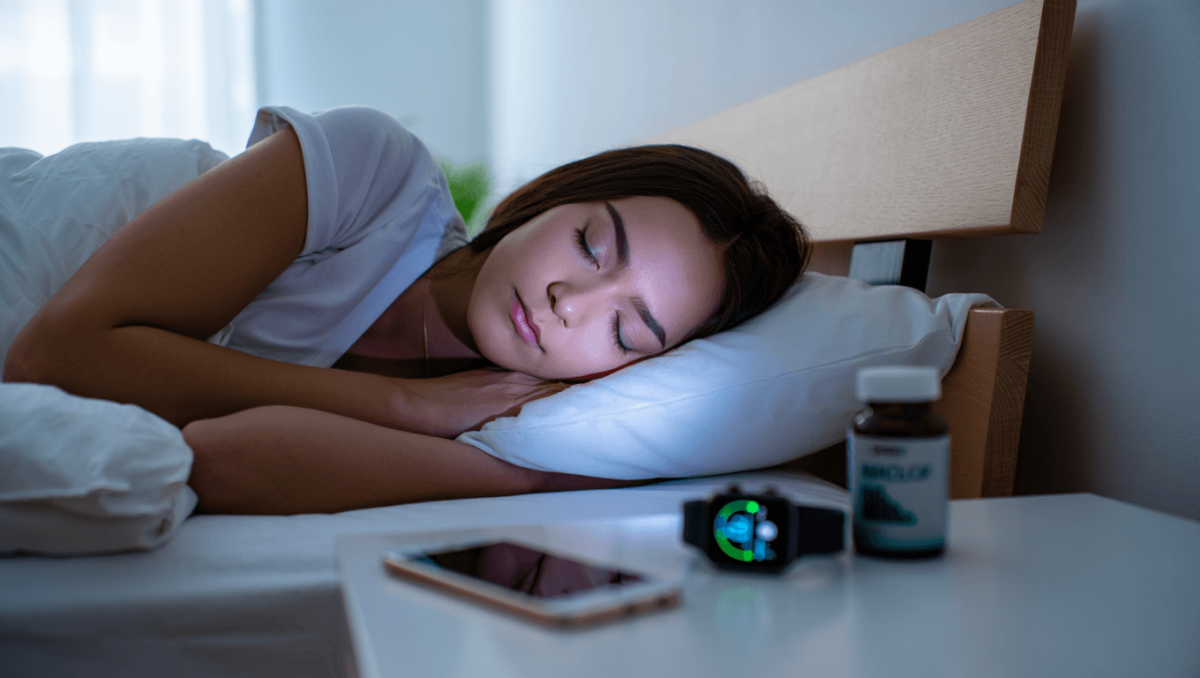
At its core, sleepmaxxing bundles together gadgets, supplements and ritualized routines aimed at improving sleep quantity and quality. Enthusiasts often treat sleep like a productivity lever rather than a restorative process—measuring every minute, experimenting with stacks of products and chasing small wins.
Boxing champions ditch long runs for high-intensity training: new era in fight prep
Czech nationals among victims of Pinedale-area crash: two confirmed dead
Clinicians who study sleep note a mix of promising and problematic elements. Some interventions are rooted in well-established physiology, while others lack rigorous support or carry safety concerns for people with underlying conditions.
How the evidence stacks up
Below is a concise snapshot of common sleepmaxxing items and what research and sleep specialists currently say about them.
| Intervention | Evidence | Practical note |
|---|---|---|
| Sleep hygiene (consistent schedule, dark, cool room) | Strong | First-line approach; inexpensive and broadly effective |
| Cooling mattress pads | Moderate | Can help people who sleep hot or share beds with differing temperature preferences |
| Blue-light blocking glasses | Limited | May help certain shift workers or people with delayed sleep timing; not a universal fix |
| Magnesium supplements | Mixed | Possible modest benefit for some individuals; overall evidence is inconsistent |
| Mouth taping | Weak / concerning for some | Small trials report mixed results; can be risky for people with nasal obstruction |
| Wearables and sleep trackers | Variable | Useful for trends but can fuel anxiety when overinterpreted |
What experts single out as truly useful
Sleep specialists consistently point to a handful of low-tech habits as the most reliable lever for better rest. Maintaining a regular bedtime and wake time, darkening and cooling the bedroom, and limiting evening caffeine are repeatedly supported by data and clinical experience.
Some higher-cost interventions can be reasonable in specific situations. For example, clinicians say that temperature-control products are one of the better evidence-backed purchases for people who run hot at night or share a bed with partners who have different thermal preferences.
Practices that warrant caution
Not every viral hack is benign. A 2025 review of small trials found that only a minority of studies reported benefits from mouth taping, and many of those trials excluded participants with nasal blockage. For people with obstructed nasal passages, forcing nasal-only breathing during sleep may raise safety concerns.
Similarly, piling on many supplements or becoming overly dependent on tracking data can do more harm than good if it fuels worry or leads to risky behavior.
Signs your sleep routine has gone too far
- Constantly adjusting schedules and supplements without measurable improvement
- Obsessing over nightly metrics from a wearable to the point of anxiety
- Building rigid rituals that displace social life or create stress
- Spending excessive time in bed trying to force sleep
- Ignoring medical advice or using hacks despite breathing difficulties
Practical, low-friction steps that help most people
If you want to improve sleep without falling into optimization traps, start with these pragmatic measures:
- Keep a regular sleep-wake schedule—even on weekends—to support your circadian rhythm.
- Lower bedroom temperature and reduce light; an eye mask and blackout curtains are inexpensive fixes.
- Avoid caffeine and alcohol late in the day; both can fragment sleep.
- Cut screen use 30–60 minutes before bed or use low-brightness/night modes to reduce evening stimulation.
- If you sleep hot, consider temperature-control bedding; if you have breathing issues, consult a clinician before trying anything like mouth taping.
Bottom line
Sleepmaxxing mixes sound advice with unproven experiments. The gains most readers will see are likely to come from simple, consistent habits rather than elaborate or expensive regimens. Importantly, if a protocol increases stress, isolates you socially, or creates health risks, it’s doing the opposite of what sleep is meant to achieve.
When in doubt, prioritize basic sleep hygiene, be skeptical of quick fixes pushed online, and seek medical guidance for persistent sleep problems—especially if snoring, gasping or daytime sleepiness suggest a breathing disorder.