
Show summary Hide summary
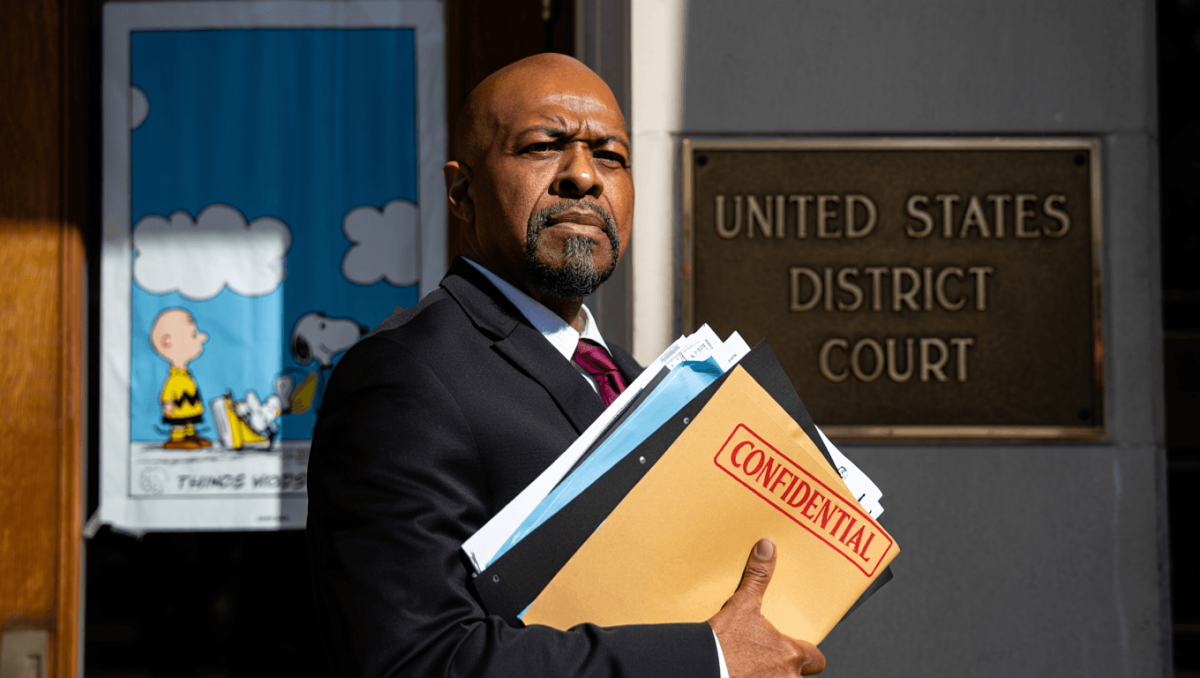
The rights holder for the music that accompanies the Peanuts cartoons has launched a federal lawsuit, accusing three private companies and the U.S. government of using its compositions without permission. The filing centers on high-profile, widely recognized melodies and raises immediate questions about how copyrighted television music is licensed and enforced today.
The complaint, lodged this week, alleges that the defendants copied, distributed or otherwise exploited the Peanuts soundtrack without securing appropriate licenses. At the center of the dispute is the catalog of songs closely tied to the franchise — including the best-known instrumental theme — which the plaintiff says was used commercially and in official contexts without authorization.
What the lawsuit claims
Boxing champions ditch long runs for high-intensity training: new era in fight prep
Czech nationals among victims of Pinedale-area crash: two confirmed dead
According to the complaint, the plaintiff contends the defendants engaged in unauthorized exploitation of copyrighted recordings and compositions associated with the Peanuts library. The alleged uses span private-sector distribution and material appearing in government-related settings.
- Alleged unauthorized commercial use by private companies
- Claims that government entities incorporated the music into official or sponsored content without securing licenses
- Requests for injunctive relief to stop further use and for monetary damages tied to the alleged infringements
The plaintiff is asking the court to order the defendants to cease unlicensed use and to provide compensation, though the initial filing does not specify dollar amounts. Legal counsel for the companies and government representatives have not yet publicly commented.
Why this matters now
These are not just disputes about melody or nostalgia. High-visibility litigation over television and film soundtracks can redefine how companies — and government agencies — clear music for broadcasts, training, and online distribution. With streaming and repurposed archival footage increasingly common, rights holders and content users are clashing more frequently over where licenses begin and end.
For rights owners, a successful claim could reinforce licensing leverage and encourage more aggressive enforcement. For businesses and public institutions, a verdict against them could prompt costly retroactive licensing, tighter clearance processes, and revised vendor contracts to avoid similar exposure.
Legal and practical stakes
How the courts treat government involvement will be a key element of the case. Typically, claims involving federal agencies raise distinct procedural issues, and some disputes against the government proceed under specialized statutory frameworks rather than ordinary copyright remedies.
What to watch for next:
- Claims processing: whether the court allows the suit to proceed in full or narrows the allegations
- Defensive arguments: whether defendants assert licenses, fair use, or other exemptions
- Settlement potential: many copyright disputes resolve before trial — but public-interest implications could complicate negotiations
Broader implications
Beyond the immediate parties, the case may affect several industry practices: how archival footage is cleared, how background music is licensed for government-produced media, and how streaming platforms vet content for third-party rights. Creators and rights managers will likely monitor the outcome closely for cues about enforcement trends and acceptable licensing practices.
Litigation timelines vary, and this dispute could take months or years to resolve. In the short term, organizations that use legacy television music would be wise to review their clearance processes and confirm that proper permissions are in place before repurposing well-known themes or soundtracks.