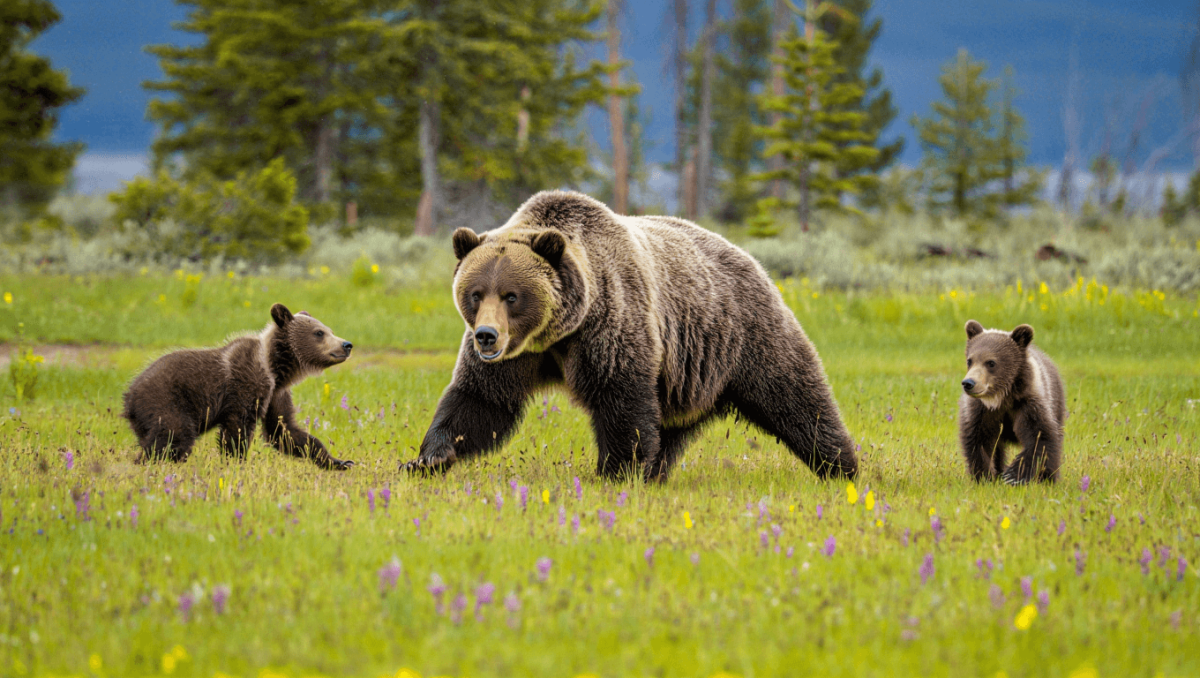
A grizzly bear moved from northwest Montana two years ago has been photographed with cubs in the Greater Yellowstone area, offering a tangible sign that relocation efforts aimed at strengthening isolated bear populations are producing results. Wildlife agencies say the sighting matters because it supports genetic recovery goals and informs ongoing management across state and federal jurisdictions.
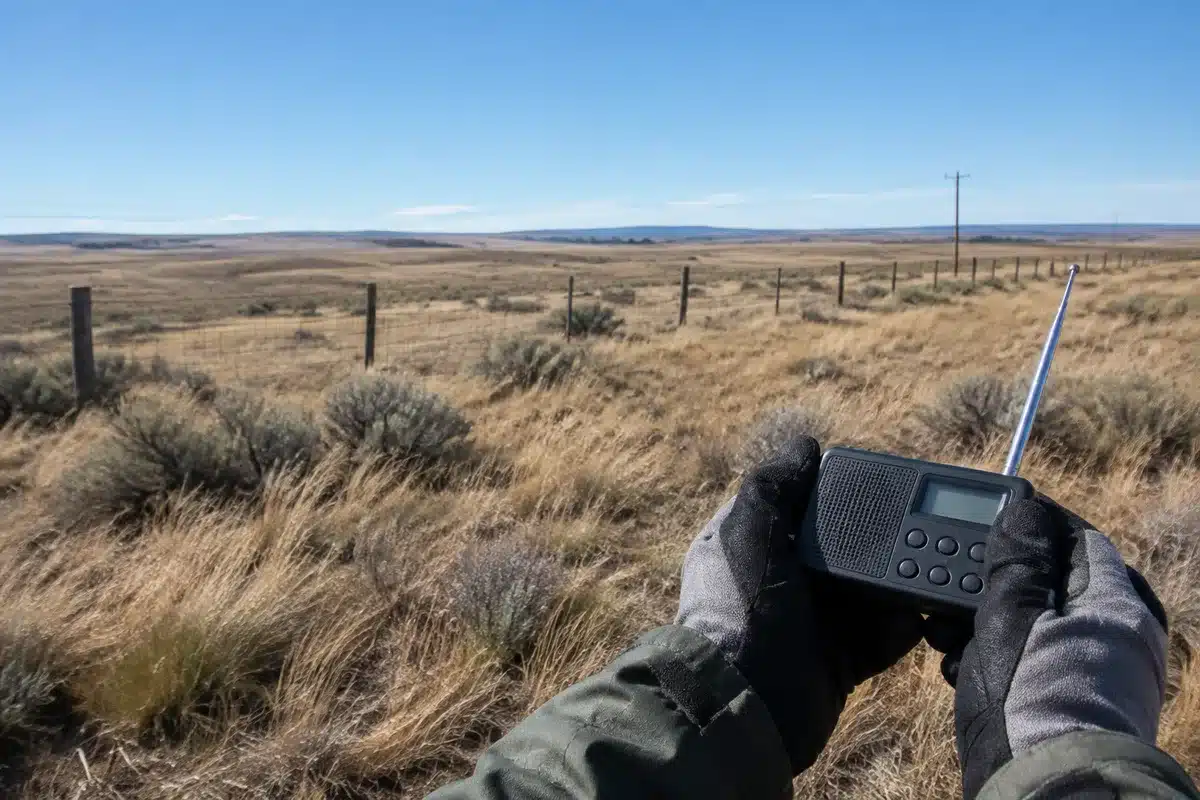
State biologists located the female, now about six years old, at a den site during a recent flight using radio tracking equipment. She was among two bears translocated from the Northern Continental Divide ecosystem into Wyoming as part of a multi-agency initiative involving Montana Fish, Wildlife & Parks (FWP), the Wyoming Game and Fish Department and Yellowstone National Park.
Montana FWP’s director described the observation as a meaningful outcome for the region’s conservation work, noting it demonstrates active collaboration between states to maintain recovered grizzly populations and reduce risks tied to small, isolated gene pools.
Boxing champions ditch long runs for high-intensity training: new era in fight prep
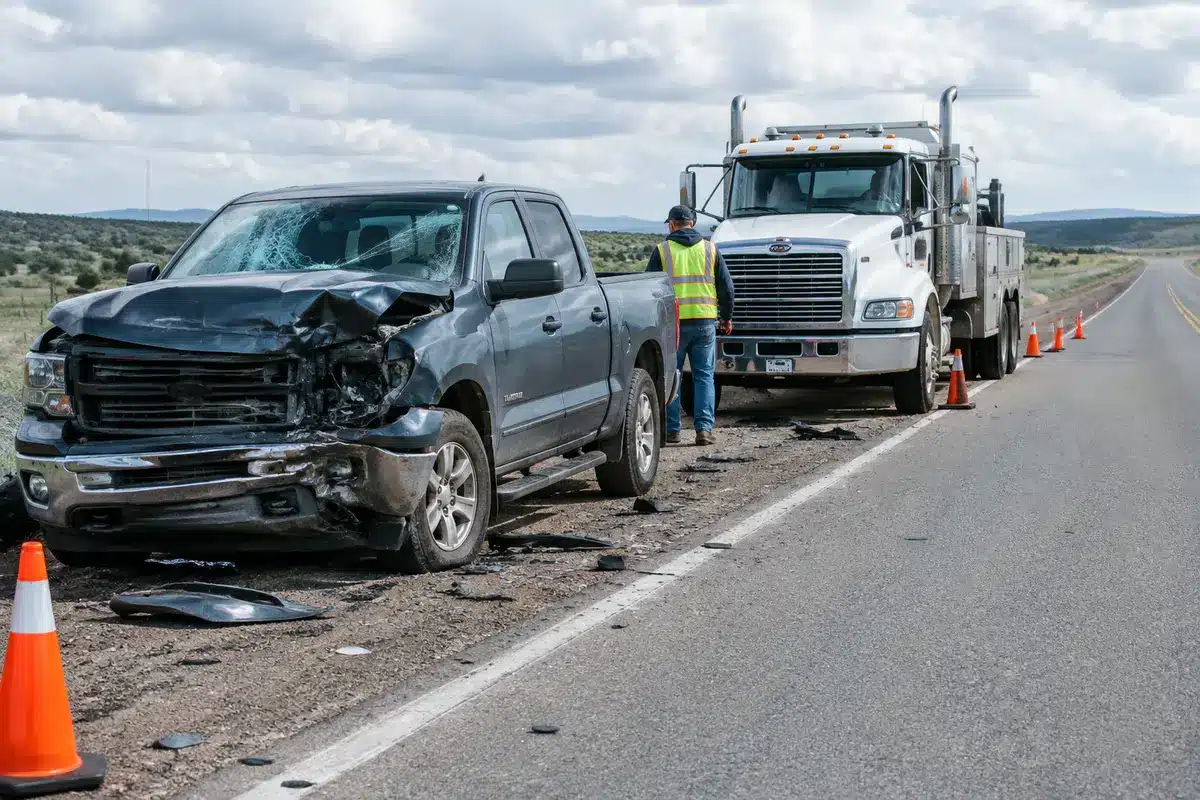
Czech nationals among victims of Pinedale-area crash: two confirmed dead
Researchers flagged the sighting as notable because the female had been unusually mobile after relocation. Scientists had wondered whether that extra activity might lower her reproductive odds, but aerial photos indicate she is in good condition and successfully reared a litter.
Practical implications for recovery efforts
Even with this encouraging development, officials caution that the path from a photographed litter to long-term population gains is uncertain. Annual survival for grizzly cubs is variable — typically around half make it through their first year, and rates are often lower for first-time mothers.
“We expect this female to have additional opportunities to reproduce, even if this particular litter does not survive,” one FWP grizzly researcher said, summarizing the cautious optimism driving continued monitoring.
- Origin: Northern Continental Divide ecosystem, Montana
- Translocation: Two bears moved to Greater Yellowstone two years ago
- Female age: ~6 years; seen with cubs at den via radio-telemetry
- Male: Sub-adult male, now ~7, also translocated; reproductive tracking requires genetic sampling
- Cub survival: Roughly 50% in the first year, lower for primiparous mothers
Tracking the relocated sub-adult male will be more complicated. Officials say confirming his contribution to the population depends on opportunistic genetic sampling and DNA analysis of any suspected offspring — a slower, less certain process than visual confirmation at a den.
The broader goal of these translocations is to strengthen genetic diversity and connectivity across grizzly populations that remain vulnerable to inbreeding and local setbacks. Successes like this one feed into management decisions about when and where to move individuals, how to prioritize monitoring resources, and how agencies coordinate across state lines.
Managers also note practical trade-offs: increased monitoring and occasional interventions help recovery, but moving animals into landscapes with growing human presence raises questions about conflict avoidance and long-term habitat carrying capacity.
Officials plan continued aerial monitoring, ground checks when safe and targeted genetic sampling to build a clearer picture of reproduction and survival trends in the coming seasons. Those data will inform whether additional translocations or connectivity measures are needed to sustain the Yellowstone-region grizzly population.